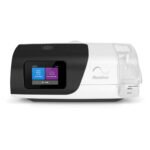
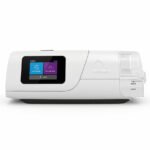
 Featured Machines
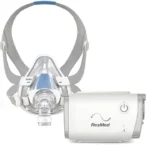 Travel CPAPs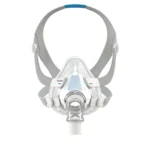
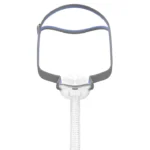 Most Popular Masks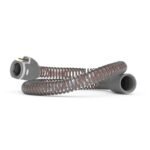
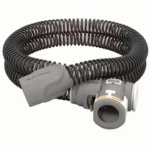 Tubes and Hoses
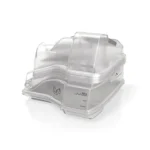 Humidifier Chambers
 Machine Filters
 Power Cords
 Headgear
 Nasal Pillows
 Cushions and Seals

CPAP Machines: How to Choose One That Fits You

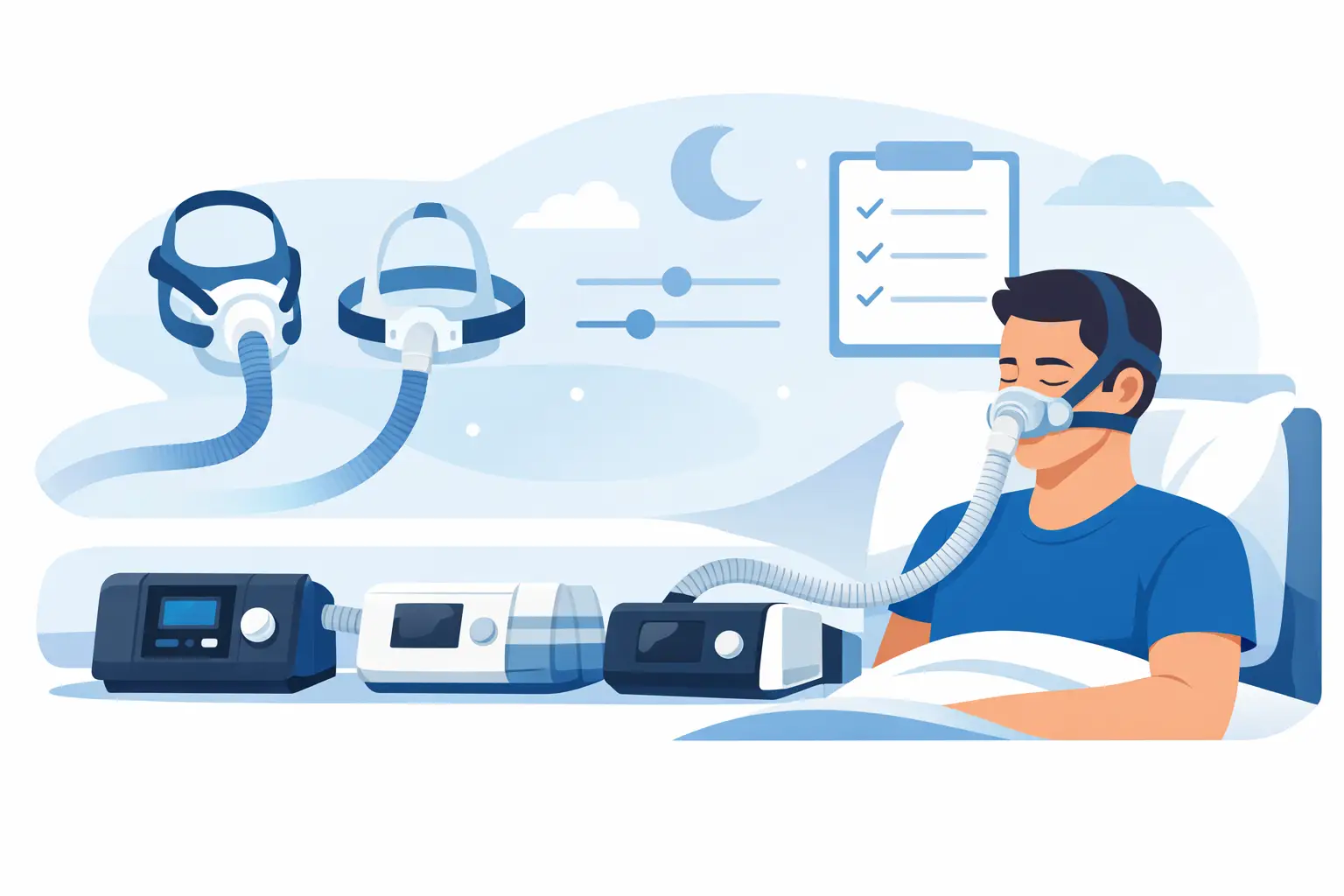
Waking up tired after a full night in bed can make every decision feel harder than it should. CPAP machines are designed to keep your airway open with a gentle, steady flow of pressurized air, helping many people with obstructive sleep apnea breathe more consistently through the night. The goal is not simply to own a device. It is to build a treatment setup you can comfortably use night after night.
For some people, that starts with a new diagnosis and a home sleep test. For others, it means replacing an older machine, updating an expired prescription, or finally finding a mask that does not leak or leave them feeling claustrophobic. Wherever you are in the process, treatment can be managed with more comfort and confidence from home.
What CPAP Machines Do While You Sleep
Obstructive sleep apnea happens when the upper airway repeatedly narrows or closes during sleep. These interruptions can reduce oxygen levels and pull you out of deeper, restorative stages of sleep, often without you fully remembering it. Loud snoring, gasping, morning headaches, dry mouth, and daytime fatigue can all be signs worth discussing with a qualified clinician.
A CPAP machine sends air through tubing and a mask to create enough pressure to support your airway. Despite the name, not every PAP device delivers one fixed pressure all night. Your prescription and sleep needs determine which therapy type is appropriate.
Standard CPAP therapy provides a prescribed fixed pressure. APAP, or auto-adjusting positive airway pressure, operates within a clinician-prescribed range and can respond to changes in your breathing throughout the night. Bilevel devices use different pressures for inhaling and exhaling and may be recommended for specific treatment needs or when higher pressures are difficult to tolerate. A bilevel device is not automatically a more advanced choice for everyone. It should be selected based on clinical guidance and a valid prescription.
The device is only one part of the system. Your mask, humidification settings, tubing, and replacement supplies all influence whether therapy feels comfortable enough to become a routine.
Choosing a CPAP Machine for Your Prescription and Routine
The best machine is not necessarily the one with the longest feature list. It is the one that matches your prescribed therapy, sleeping habits, comfort preferences, and practical needs. Start by confirming the prescription details, including whether you need fixed-pressure CPAP, APAP, or bilevel therapy. If your prescription has expired, a digital prescription renewal may be an accessible next step when clinically appropriate.
Many current devices include features that make daily use easier. Automatic pressure adjustment may help people prescribed APAP therapy. A ramp setting begins at a lower pressure and gradually increases as you fall asleep, which can make the start of therapy feel gentler. Quiet operation matters too, especially for light sleepers and bed partners.
Built-in heated humidification is another feature many users value. PAP airflow can feel drying, particularly in a cool or dry bedroom. A humidifier adds moisture to the air, while climate-control tubing can help maintain a comfortable temperature and reduce condensation in the tube. More humidity is not always better, though. If you notice water collecting in your tubing, lowering humidity, increasing tube temperature, or repositioning the machine may help.
Data tracking can also be useful. Compatible apps or device reports may show usage time, mask seal information, and therapy trends that you can review with your care team. These tools support the conversation, but they do not replace professional guidance about pressure changes or symptoms.
If you travel regularly, consider how you will use therapy away from home. A compact travel PAP device can be convenient for short trips, but it may have different humidification options, noise levels, and power requirements than a full-size bedside machine. Some people prefer one device for every night; others value a dedicated travel model. Your budget and travel frequency should guide that decision.
A Comfortable Mask Can Change Everything
A highly rated CPAP machine cannot compensate for a mask that does not fit. Mask comfort is one of the most common reasons people either settle into therapy or struggle to keep using it.
Nasal masks cover the nose and offer a balance of stability and openness for many users. Nasal pillows rest at the nostrils and are often a good option for people who prefer minimal facial coverage. Full face masks cover the nose and mouth and can be helpful for people who breathe through their mouth at night, experience frequent nasal congestion, or need higher pressures.
There is no universally best mask style. A person who sleeps on their side may prioritize a low-profile cushion and flexible tubing connection. Someone with facial hair may need to spend more time fine-tuning fit and may find that a particular cushion style seals better than another. If you wear glasses, read in bed, or feel anxious about facial coverage, a less bulky design may feel more manageable.
A tighter mask is not always a better-sealing mask. Over-tightening can create pressure marks, discomfort, and even more leaks as the cushion loses its ability to inflate gently against the skin. Fit the mask while lying in your usual sleep position, with the machine running, and make small adjustments rather than pulling the headgear too tight.
Make the First Weeks Easier
Getting used to PAP therapy is a process, not a test of willpower. Wear the mask for a few minutes while reading or watching television to become familiar with the sensation of airflow. Then use it whenever you sleep, including naps, unless your clinician has advised otherwise. Consistency helps your body and your bedtime routine adjust together.
Keep the machine on a stable surface lower than your mattress when possible. This placement can reduce the chance of condensation traveling from the tubing into your mask. Check that the air intake area is clear and that the tubing is not being pulled or bent behind the bed.
Small concerns deserve attention early. Dry nose or mouth may point to humidity, heated tubing, or mask-fit adjustments. Air blowing toward your eyes usually signals a leak. Feeling like you cannot exhale comfortably may relate to comfort settings or prescribed pressure and is a reason to contact your provider rather than changing therapy settings on your own.
If anxiety makes the mask difficult to tolerate, start with short, calm practice sessions. Slow breathing, a familiar bedtime routine, and a mask style with less facial coverage can help. If problems continue, reach out for support. Better sleep should not require you to push through ongoing pain, skin irritation, or severe discomfort.
Keep Your Equipment Clean and Ready
Regular care protects comfort and performance. Empty and refill the humidifier chamber with distilled water as directed, and avoid leaving standing water in the chamber for long periods. Follow the manufacturer’s instructions for washing the mask cushion, tubing, chamber, and headgear. Use mild soap and allow parts to air dry fully before use.
Replacement timing matters because cushions, filters, tubing, chambers, and headgear wear down gradually. A cushion that once sealed well may begin leaking as its material softens or collects skin oils. A stretched headgear strap can force you to over-tighten the mask. Replacing supplies on a regular schedule can be a practical part of maintaining effective therapy, not an unnecessary extra.
Keep an eye on filters as well. A clean filter helps protect the machine from dust and debris. Homes with pets, smoke exposure, or higher dust levels may require more frequent checks. Always use compatible replacement supplies designed for your specific device and mask.
Getting Care and Equipment From Home
A prescription is required to purchase a CPAP, APAP, or bilevel machine in the United States. If you suspect sleep apnea but have not been diagnosed, an at-home path can begin with a virtual consultation and home sleep apnea testing when appropriate. If you are already diagnosed but need current documentation, online prescription renewal may reduce the delays that often come with restarting care.
When comparing equipment, look beyond the device price alone. Consider what is included, whether insurance coverage can be checked, the cost of future supplies, available support, and whether the retailer offers price matching. Affordable Sleep Solutions brings together remote sleep-apnea care, prescription support, and recognized PAP equipment so you can move from questions to treatment without adding unnecessary friction.
Your sleep setup may take a little adjustment, but each comfortable night builds momentum. Choose the prescribed therapy that fits your needs, give yourself room to adapt, and ask for help when something does not feel right. Better breathing at night can become a steady, practical part of feeling more present during the day.