 Featured Machines
 Travel CPAPs
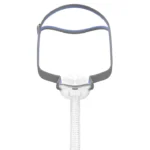 Most Popular Masks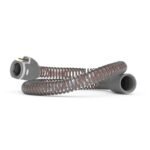
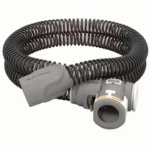 Tubes and Hoses
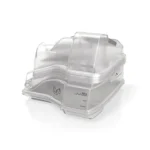 Humidifier Chambers
 Machine Filters
 Power Cords
 Headgear
 Nasal Pillows
 Cushions and Seals

How Does a Home Sleep Apnea Test Actually Work?

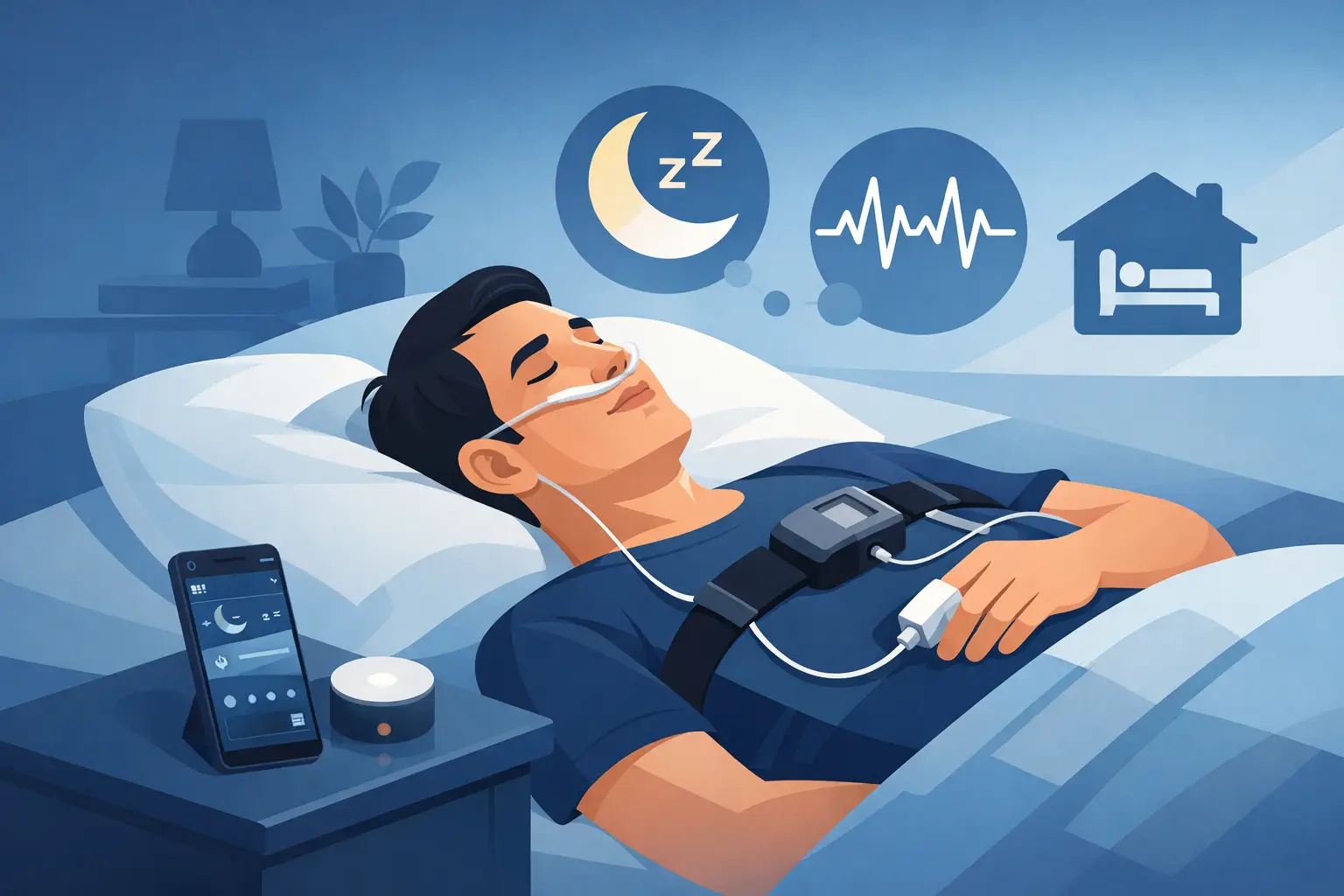
Waking up exhausted after what should have been a full night of sleep can make every morning feel harder than it needs to be. If snoring, gasping, witnessed breathing pauses, morning headaches, or daytime sleepiness are part of your routine, you may be asking: how does a home sleep apnea test work? For many adults, it is a convenient first step toward answers without spending a night in a sleep lab.
A home sleep apnea test is designed to look for signs of obstructive sleep apnea, or OSA, while you sleep in your own bed. It does not require needles, a hospital room, or complicated setup. You receive a compact testing device, wear the supplied sensors overnight, and return the device or send it back as instructed so the recording can be reviewed by a qualified provider.
What a home sleep apnea test measures
Obstructive sleep apnea happens when the upper airway repeatedly narrows or closes during sleep. Your body briefly works harder to breathe, and your oxygen level may drop. These disruptions can happen dozens of times an hour, even if you do not remember waking up.
A home test captures the breathing signals that help identify this pattern. Exact equipment varies, but most tests measure several key details, such as:
- Airflow through your nose or mouth
- Breathing effort from your chest or abdomen
- Blood oxygen level and pulse rate
- Snoring and body position, depending on the device
The test uses this information to estimate how often breathing events occur during the night. Your provider may use a respiratory event index, or REI, to describe the number of apnea and hypopnea events per hour of recorded sleep.
An apnea is a significant pause in breathing. A hypopnea is a partial reduction in breathing that may still lower oxygen levels or disrupt sleep. These events, along with your symptoms and health history, help your provider determine whether obstructive sleep apnea is likely and how severe it may be.
How a home sleep apnea test works, step by step
The process is intentionally straightforward, but following the instructions closely helps produce a useful recording.
1. A provider determines whether at-home testing fits your needs
Home testing is often appropriate for adults with a high likelihood of moderate to severe obstructive sleep apnea. Common signs include loud habitual snoring, witnessed pauses in breathing, choking or gasping at night, high blood pressure, and persistent daytime fatigue.
Before testing, you may complete a sleep questionnaire and virtual consultation. This step matters because a home test is not the right choice for every sleep concern. A provider considers your symptoms, medications, medical history, and whether another type of sleep evaluation may be more accurate.
2. You receive the device and setup instructions
The testing kit may be shipped to your home or provided through another arranged method. Most modern home sleep apnea tests are small, portable, and built for one-night use. Depending on the device, you may wear a finger sensor, a soft nasal cannula, a chest belt, or a small recording unit.
Read the instructions before bedtime rather than when you are already tired. Check that the device is charged or has working batteries, and make sure you understand how to start the recording. If something feels unclear, ask for support before test night.
3. You sleep as normally as possible
Put on the sensors shortly before bed and start the device according to the directions. Then sleep in your usual environment. Your own bedroom, pillow, and regular bedtime can be an advantage, particularly if sleeping elsewhere makes it difficult for you to rest.
Try to follow your normal routine. Avoid alcohol or sedating medication unless your clinician has told you to use it, since these can affect breathing and sleep patterns. Do not add extra sleep aids simply because it is test night.
You do not need to force yourself to lie perfectly still. The sensors are designed to record as you move naturally through the night. If you wake up briefly, adjust a sensor only if it has become uncomfortable or detached, then return to sleep.
4. The recording is reviewed
After the test, you return the device or follow the instructions for submitting it. The raw data is not meant for self-diagnosis. A qualified sleep professional or prescribing provider reviews the information alongside your symptoms and health background.
If the test indicates obstructive sleep apnea, your provider can discuss treatment options. For many people, positive airway pressure therapy is the most effective option. A CPAP or APAP machine delivers gentle pressurized air through a mask to help keep the airway open while you sleep.
What your results may mean
Results typically describe whether sleep apnea appears absent, mild, moderate, or severe. Severity is based partly on the estimated number of breathing events per hour, but the number alone is not the entire story. Oxygen drops, symptoms, cardiovascular health, and daytime functioning all matter.
A positive home test can provide a clear path forward. Your provider may recommend CPAP or APAP therapy, discuss a prescription, and help you choose equipment that fits your needs. Comfort is a real part of successful treatment. Mask style, humidification, pressure settings, and tubing options can all affect whether therapy becomes a sustainable part of your nightly routine.
A negative or inconclusive result does not always mean there is no sleep disorder. Home tests generally do not measure brain activity, so they cannot confirm exactly how long you were asleep. If you were awake for much of the recording, the device may underestimate breathing events. A provider may recommend an in-lab sleep study if your symptoms remain strong despite a negative home result.
Who may need an in-lab sleep study instead?
Home testing is focused on suspected obstructive sleep apnea, not every condition that can interfere with sleep or breathing. An overnight lab study may be more appropriate for people with certain significant heart or lung conditions, suspected central sleep apnea, neuromuscular disease, chronic opioid use, severe insomnia, or possible sleep disorders beyond OSA.
An in-lab study uses more sensors and can measure sleep stages, leg movements, brain activity, and additional breathing details. It is more comprehensive, but it also requires sleeping away from home. The best option depends on your clinical situation, not simply which test feels more convenient.
How to improve the chance of a successful test night
Give yourself enough time to set up the device without rushing. Test the fit of the finger sensor and nasal tubing before you are ready to turn off the lights. Keep the instruction sheet nearby, and make sure the recorder is secure but not pulling on the sensors.
Aim for a typical night of sleep. If you are sick with a severe cold or unusually congested, contact your testing provider to ask whether rescheduling makes sense. Nasal blockage can make a cannula less comfortable and may affect the quality of the recording.
If a sensor comes loose for part of the night, do not assume the test has failed. Wear the device for the rest of the night if possible and report what happened when you return it. The reviewing provider can determine whether enough data was captured or whether a repeat test is needed.
From results to more restorative sleep
Testing is only the beginning, and treatment should not feel like another burden on an already tired day. If OSA is confirmed, the goal is to find a therapy routine that supports easier breathing and deeper, more restorative sleep. Some people need time to adjust to a mask or pressure settings, especially during the first few weeks.
Affordable Sleep Solutions helps make that next step more manageable with at-home testing pathways, prescription support, and CPAP equipment designed around comfort and everyday use. The right care plan can turn a night of uncertain breathing into a routine that helps you wake up ready for the day.