 Featured Machines
 Travel CPAPs
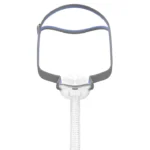 Most Popular Masks
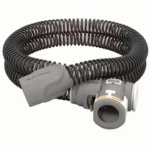 Tubes and Hoses
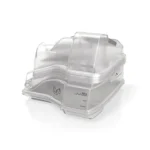 Humidifier Chambers
 Machine Filters
 Power Cords
 Headgear
 Nasal Pillows
 Cushions and Seals

Are Home Sleep Apnea Tests Accurate? What to Know

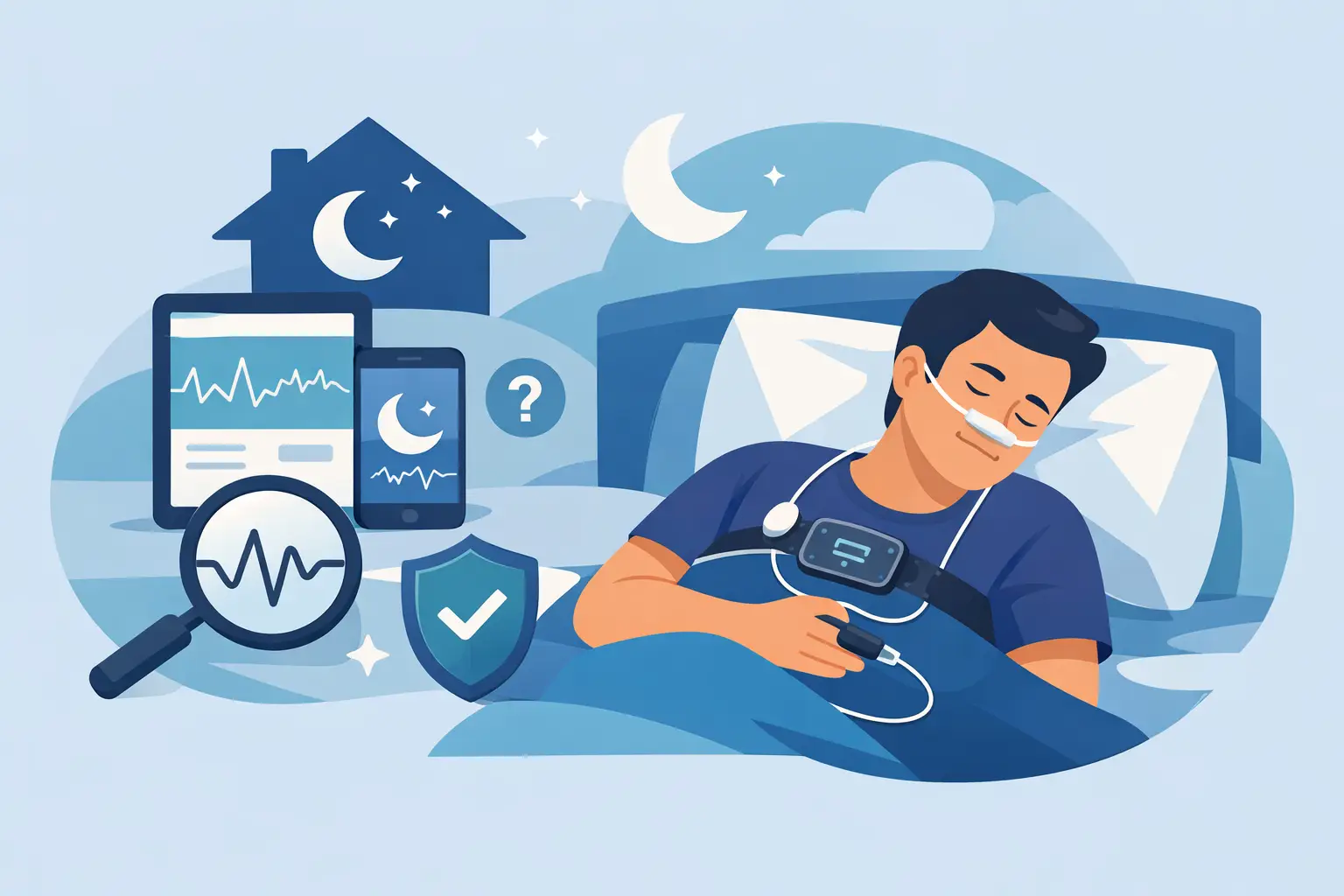
A sleep test does not have to mean spending a night away from home with wires attached in an unfamiliar room. For many adults with loud snoring, witnessed breathing pauses, morning headaches, or persistent daytime fatigue, the first question is simple: are home sleep apnea tests accurate? The short answer is yes, when they are used for the right person and interpreted by a qualified clinician. But an at-home test is not designed to catch every sleep concern.
Home sleep apnea testing can provide a convenient, affordable path to answers when obstructive sleep apnea is likely. Understanding what the test measures, what it can miss, and what happens after your results can help you move forward with confidence.
Are Home Sleep Apnea Tests Accurate for Obstructive Sleep Apnea?
Home sleep apnea tests are generally accurate at identifying moderate to severe obstructive sleep apnea in adults who have symptoms and risk factors that point strongly toward the condition. Obstructive sleep apnea happens when the airway repeatedly narrows or closes during sleep, reducing or stopping breathing until the body briefly wakes enough to reopen the airway.
A home test typically records breathing effort, airflow, blood oxygen levels, pulse, and sometimes body position or snoring. These measurements allow a clinician to estimate how often breathing disruptions occur during the night. That estimate helps determine whether sleep apnea is present and how severe it may be.
For someone who snores heavily, wakes up gasping, has been told they stop breathing during sleep, and feels tired despite getting enough time in bed, an at-home test can be a very reliable first diagnostic step. It is especially useful for people who want to avoid the expense, scheduling delays, and discomfort of an overnight sleep lab.
Accuracy depends on using a medically appropriate test, wearing the sensors correctly, and having the data reviewed by a licensed healthcare professional. A test is more than a device delivered to your door. The clinical interpretation and follow-up plan are what turn the data into meaningful care.
What a Home Test Can and Cannot Measure
The biggest difference between a home sleep apnea test and an in-lab sleep study is the amount of information collected. An in-lab study can track brain activity, eye movement, muscle activity, heart rhythm, leg movement, and actual sleep stages. Home testing focuses primarily on breathing-related data.
Because most home tests do not measure brain waves, they cannot always tell whether you are awake or asleep at every moment. They usually calculate breathing events based on recording time rather than confirmed sleep time. If you spend a long time awake with the equipment on, the test may underestimate the number of breathing events happening while you were actually asleep.
That does not make the test unhelpful. It simply means a home test has a specific purpose: identifying suspected obstructive sleep apnea in people without signs of more complicated sleep or medical conditions.
A home test may be less suitable if you have significant heart or lung disease, neuromuscular weakness, chronic opioid use, suspected central sleep apnea, severe insomnia, or symptoms of another sleep disorder. It may also be less useful when restless legs, unusual movements, nighttime behaviors, narcolepsy, or frequent unexplained awakenings are part of the picture. In these situations, an in-lab study may offer a clearer and more complete evaluation.
Why a Negative Result Does Not Always Rule It Out
One normal or negative home test does not always mean sleep apnea is absent. Sleep apnea can vary from night to night based on sleep position, nasal congestion, alcohol use, medication, stress, and how much time you spend in deeper sleep. Some people have more events when sleeping on their back, while others experience worse symptoms during certain sleep stages that a home test cannot directly identify.
Equipment issues can affect the recording, too. A sensor may loosen overnight, a nasal cannula may shift, or a person may remove the device without realizing it. When a test does not collect enough usable data, it may need to be repeated.
If your symptoms are strong but your home test is negative or inconclusive, do not dismiss how you feel. A clinician may recommend an in-lab sleep study to look more closely. Persistent sleepiness, loud snoring, gasping, or witnessed pauses in breathing deserve a thoughtful next step.
Who Is a Good Candidate for At-Home Testing?
Home sleep apnea testing is often a good fit for adults with a high likelihood of uncomplicated obstructive sleep apnea. Common signs include frequent snoring, choking or gasping during sleep, witnessed breathing pauses, dry mouth on waking, morning headaches, difficulty concentrating, irritability, and daytime fatigue.
Risk can also be higher with excess weight, high blood pressure, a larger neck circumference, a family history of sleep apnea, or an airway structure that makes obstruction more likely. Sleep apnea affects people of many body types and ages, though, so risk factors alone never tell the whole story.
Convenience is a meaningful benefit. You can sleep in your own bed, follow much of your usual routine, and avoid taking time away from work or family for an overnight appointment. For many people, familiar surroundings also make it easier to get a more typical night of sleep.
At Affordable Sleep Solutions, the at-home pathway is designed to make that process feel manageable: access to testing, professional review, prescription support when appropriate, and a practical route to equipment that supports better breathing at home.
How to Get the Most Reliable Home Test Results
A few simple choices can improve the quality of your test. Follow the setup instructions closely, and place each sensor where directed before you go to bed. If something feels loose or uncomfortable, adjust it before falling asleep rather than hoping it stays in place.
Try to keep your evening routine relatively normal. Avoid changing your usual bedtime dramatically just for the test. Unless your clinician tells you otherwise, take prescribed medications as directed. It can also help to avoid alcohol close to bedtime, since it may worsen airway relaxation and alter your usual breathing pattern.
Make sure the device is charged or has fresh batteries if required. Start the recording when instructed, and leave it on for the full night. If you need to get up to use the bathroom, follow the provided guidance on whether the device should remain in place. These small details help create a recording that a clinician can interpret with confidence.
Understanding Your Results and Next Steps
Your results may include an index that estimates breathing events per hour. In general, a higher number means breathing disruptions happened more often. Your clinician will consider that number alongside oxygen changes, your symptoms, health history, and the overall quality of the recording.
If the test confirms obstructive sleep apnea, positive airway pressure therapy is often one of the most effective treatments. CPAP therapy uses gentle, continuous airflow to help keep the airway open while you sleep. Auto-adjusting CPAP devices can respond to changing pressure needs throughout the night, while features such as heated humidification and climate-control tubing can improve comfort for many users.
The best equipment is the equipment you can use consistently. A properly fitted mask, comfortable humidity settings, and regular replacement of cushions, filters, tubing, and other supplies can make therapy feel far more natural over time. If a mask leaks, pressure feels uncomfortable, or dry mouth interrupts sleep, those are solvable problems, not reasons to give up on treatment.
If your test does not show sleep apnea but symptoms continue, ask about further evaluation. The goal is not merely to get a result. It is to understand why your sleep is not restorative and find care that helps you wake up safer, clearer, and more refreshed.
A home sleep apnea test can be a dependable starting point when obstructive sleep apnea is suspected, but your symptoms still matter as much as the numbers. Give yourself permission to pursue another answer if you are still exhausted. Better sleep often starts with one practical step taken from the comfort of home.