 Featured Machines
 Travel CPAPs
 Most Popular Masks
 Tubes and Hoses
 Humidifier Chambers
 Machine Filters
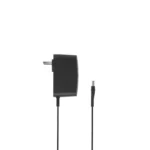 Power Cords
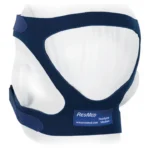 Headgear
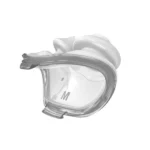 Nasal Pillows
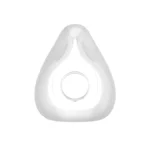 Cushions and Seals

How to Read Home Sleep Apnea Test Results


Your home sleep apnea test may arrive with a report full of abbreviations, graphs, and numbers that are hard to place in context. Learning how to read home sleep apnea test results can make the next step feel much clearer, whether you are seeking answers for loud snoring, daytime exhaustion, morning headaches, or witnessed pauses in breathing.
A home test is designed to identify patterns consistent with obstructive sleep apnea, or OSA. It is an efficient, comfortable way to gather meaningful information from your own bed. Still, the report is only one part of your care. A qualified clinician considers your results alongside your symptoms, health history, medications, and sleep concerns before confirming a diagnosis or recommending treatment.
Start With the Test Interpretation
Near the beginning or end of the report, look for the clinical impression, interpretation, or conclusion. This section usually states whether the findings are consistent with obstructive sleep apnea and may label it as mild, moderate, or severe.
You may also see wording such as “negative,” “non-diagnostic,” or “inconclusive.” That does not always mean nothing is wrong. Home tests can miss some cases, particularly when a person is awake for much of the recording, has mild symptoms, or has sleep-related concerns beyond straightforward obstructive apnea. If your test is negative but you still wake unrefreshed, struggle with sleepiness, or have strong symptoms, follow up with a clinician. An in-lab sleep study may be appropriate.
The Main Number: REI or AHI
The number most people focus on is the Respiratory Event Index, or REI. Some reports use the Apnea-Hypopnea Index, or AHI. Both describe how often breathing events occurred per hour, but there is one meaningful difference.
An apnea is a pause or near-pause in breathing. A hypopnea is a partial blockage that significantly reduces breathing. During an obstructive event, the airway narrows or closes despite your body trying to breathe.
AHI is generally based on actual sleep time, which is usually measured during an in-lab study. A home test often cannot tell exactly when you are asleep, so it may calculate REI using recording time instead. Because recording time can include periods when you were awake, an REI can underestimate the true frequency of events. That is why a low-looking number does not automatically outweigh significant symptoms.
For adults, these ranges are commonly used:
- Fewer than 5 events per hour: typically considered within the normal range
- 5 to 14.9 events per hour: mild sleep apnea
- 15 to 29.9 events per hour: moderate sleep apnea
- 30 or more events per hour: severe sleep apnea
Severity categories are useful, but they are not the whole story. Someone with “mild” OSA and significant daytime drowsiness, blood pressure concerns, or frequent oxygen drops may still need prompt treatment. Likewise, the most comfortable therapy is usually the therapy you can use consistently.
Apneas vs. Hypopneas
Many reports separate the total into apnea and hypopnea counts. You may see an obstructive apnea index, hypopnea index, and occasionally a central apnea index.
Obstructive events are the classic sleep apnea pattern: the upper airway is blocked or narrowed during sleep. Central events are different. They happen when the brain does not consistently send the signal to breathe. A home test is not always the best tool for fully evaluating central sleep apnea or more complex breathing conditions, so a clinician may recommend further evaluation if those events appear on your report.
How to Read Oxygen Results on a Home Sleep Apnea Test
Your test likely used a fingertip sensor to track blood oxygen saturation, shown as SpO2. The report may list your average oxygen level, lowest oxygen level, time spent below a particular threshold, and an oxygen desaturation index, or ODI.
The ODI measures how often your oxygen level dropped by a defined amount per hour. Repeated drops can support the finding that breathing events are disrupting normal sleep and oxygen flow.
A single lowest oxygen value can be alarming, but it should be read carefully. A brief dip may occur during one event, movement can affect the sensor, and different reports use different scoring methods. What often matters more is the overall pattern: how low the oxygen level fell, how long it stayed low, how often drops occurred, and whether those drops match breathing events.
In general, oxygen levels that spend extended time below 90% deserve clinical attention. Your clinician can explain what the results mean in light of your health, especially if you have heart or lung disease, use certain medications, or live at a higher elevation.
Look at Body Position and Event Patterns
Some home sleep apnea tests track whether you were on your back, side, or stomach. If your report shows more events while supine, or lying on your back, you may have positional sleep apnea.
Positional changes can sometimes reduce events for people with mild OSA, but they are not a universal solution. Many people naturally roll onto their backs during the night, and position therapy may not address oxygen drops or apnea occurring in every position. It can be one part of a personalized plan rather than a replacement for proven therapy when treatment is needed.
Your report may also include a timeline showing clusters of events. Clusters can occur during REM sleep, while on your back, or at other points in the night. A home test usually cannot measure sleep stages as precisely as an in-lab study, so it is best not to draw conclusions from the timing alone.
Check Recording Time and Data Quality
Before focusing too closely on the numbers, check whether the study captured enough usable data. Reports may show total recording time, valid analysis time, or signal quality. A sensor that slipped off, a nasal cannula that moved, or an interrupted night can limit what the test can show.
A qualified report should indicate whether the study was technically adequate. If it was not, you may need to repeat the test. That is frustrating, but accurate data helps prevent you from making treatment decisions based on an incomplete night.
What a Home Test Can and Cannot Tell You
Home sleep apnea testing is especially useful for adults with a strong likelihood of uncomplicated obstructive sleep apnea. It is convenient, private, and often a faster path to answers and treatment.
However, a home test does not measure everything an overnight lab study can measure. It may not fully identify insomnia, periodic limb movements, narcolepsy, parasomnias, sleep-stage patterns, central apnea, or other conditions that affect sleep quality. It can also underestimate OSA when wake time is included in the calculation.
For that reason, a negative or borderline home test should not end the conversation if your symptoms are persistent. Keep track of what you experience: snoring, gasping, nighttime awakenings, daytime fatigue, concentration problems, mood changes, and drowsiness while driving. Those details help your clinician determine the right next step.
Turning Results Into a Comfortable Treatment Plan
If your report supports an OSA diagnosis, treatment is about more than improving a number. The goal is easier breathing, fewer disruptions, safer days, and more restorative sleep.
Positive airway pressure therapy, including CPAP and APAP, is a common and highly effective option. An APAP machine can automatically adjust pressure within a prescribed range, which many people find practical as their needs vary by sleep position, congestion, or stage of sleep. Comfort features such as heated humidification, climate-control tubing, and the right mask style can make a substantial difference in staying consistent.
Your prescription and clinical guidance determine the device settings that are right for you. Do not try to self-prescribe pressure based solely on a report. If you already use PAP therapy and your symptoms have changed, your clinician can help determine whether a new evaluation, prescription renewal, or equipment update makes sense.
Questions Worth Bringing to Your Follow-Up
Ask whether your result is based on REI or AHI, whether your oxygen pattern raises concern, and whether the test quality was adequate. You can also ask if your events were position-dependent, whether central events were seen, and which treatment options fit your medical history and lifestyle.
A good care plan should feel manageable at home. Affordable Sleep Solutions can help eligible patients move from at-home testing and prescription support to the PAP equipment and replacement supplies that support comfortable, consistent therapy.
Your report is not a grade on your sleep or a problem you need to solve alone. It is a starting point for better breathing and deeper, more rejuvenating rest – one informed decision at a time.