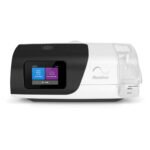
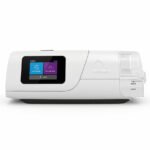
 Featured Machines
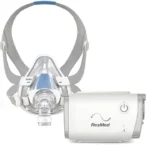 Travel CPAPs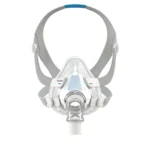
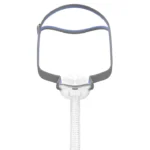 Most Popular Masks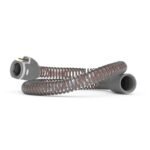
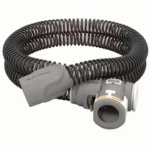 Tubes and Hoses
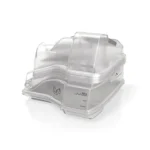 Humidifier Chambers
 Machine Filters
 Power Cords
 Headgear
 Nasal Pillows
 Cushions and Seals

Best At-Home Sleep Apnea Test Covered by Insurance

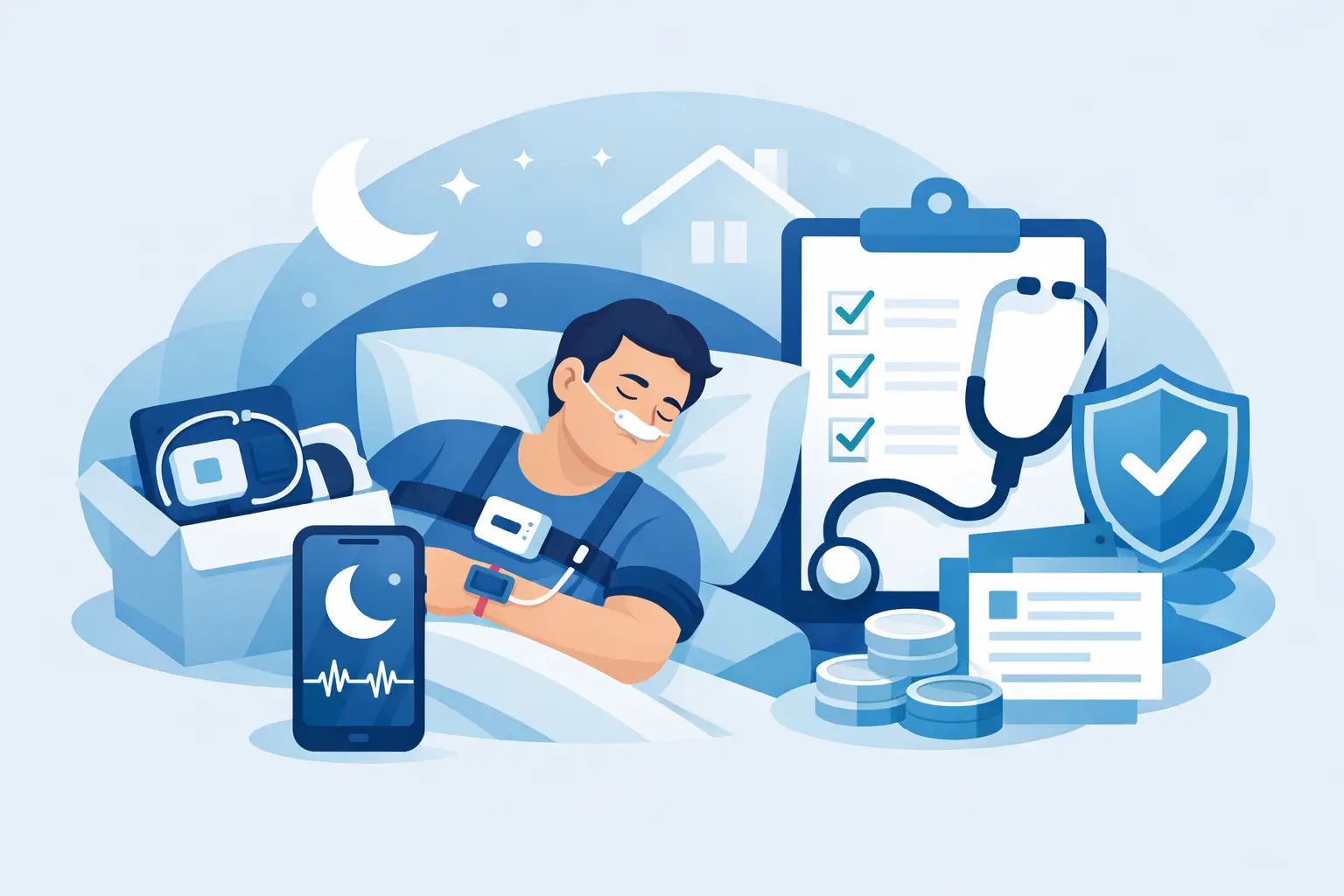
Waking up tired after a full night in bed is frustrating. So is hearing that you may need a sleep study when your schedule, budget, or comfort level makes an overnight lab feel out of reach. The best at home sleep apnea test covered by insurance is usually not one universal kit. It is the test your plan recognizes, a qualified clinician orders, and your symptoms make appropriate for home evaluation.
For many adults with suspected obstructive sleep apnea, home testing offers a private, practical first step toward better breathing and deeper sleep. You complete the study in your own bed, return the equipment as directed, and have the results reviewed by a qualified provider. When coverage lines up, it can also be far more affordable than paying for testing without insurance.
What Makes an At-Home Sleep Apnea Test the Best Choice?
The right home sleep apnea test should do more than arrive quickly. It needs to produce clinically useful information while fitting the rules of your insurance plan and your personal health needs.
Most home sleep apnea tests are designed to look for obstructive sleep apnea, or OSA. Depending on the device, it may measure airflow, breathing effort, blood oxygen level, pulse, body position, and snoring. The test does not usually record the same range of data as an in-lab polysomnogram, including brain-wave activity used to confirm whether you are asleep. That distinction matters because a home test can sometimes underestimate the severity of sleep apnea.
A strong option is one provided through a legitimate clinical pathway: a screening or virtual consultation, an order from an authorized clinician when required, clear setup instructions, secure handling of health information, and professional interpretation of the results. Convenience should never mean guessing at your diagnosis.
The best test for you also has to fit your insurer’s network and authorization rules. A home test can be clinically appropriate yet still leave you with a larger bill if the ordering provider, testing company, or interpreting clinician is out of network.
How Insurance Usually Covers Home Sleep Testing
Insurance coverage for a home sleep apnea test varies by plan, state, employer benefits, deductible, and medical history. Medicare, Medicare Advantage plans, Medicaid programs, and commercial plans may all use different criteria. Do not assume that a test advertised as insurance-friendly will be fully covered for your specific policy.
Many insurers require evidence that testing is medically necessary. Common reasons include loud habitual snoring, witnessed pauses in breathing, gasping or choking during sleep, excessive daytime sleepiness, high blood pressure, or a high clinical risk for OSA. Your provider may document these symptoms through a consultation and screening questionnaire.
Your plan may also require a referral or prior authorization before the device ships. Some plans cover testing only through specific in-network providers or accredited testing arrangements. Others apply the cost to your deductible, which means coverage is approved but you still pay some or all of the contracted amount until your deductible is met.
Before moving forward, ask your insurer whether your plan covers a home sleep apnea test, whether prior authorization is needed, and whether telehealth evaluation is eligible. Confirm the network status of the ordering clinician, test supplier, and interpreting provider. Ask for an estimate of your deductible, copay, or coinsurance responsibility. A coverage check before testing can prevent an unwelcome surprise later.
Choosing the Best At-Home Sleep Apnea Test Covered by Insurance
Start with the care process, not just the device. A low upfront price can be appealing, but it may not include clinical interpretation, a follow-up visit, or the documentation needed to move into treatment. A complete pathway is often more useful than a test kit alone.
Look for a provider that explains what happens after the test. If results show sleep apnea, you may need a prescription for CPAP or another PAP therapy device. You should know who reviews the report, how you receive your results, and whether there is support for next steps. If your study is negative or unclear despite ongoing symptoms, you should also have a path to further evaluation.
It is wise to compare your expected out-of-pocket cost with a transparent self-pay option. If you have a high deductible or limited out-of-network benefits, self-pay testing may occasionally be simpler. That does not make insurance irrelevant – it simply means the better value depends on your actual benefits, not a general promise of coverage.
Affordable Sleep Solutions can help patients explore an at-home pathway, including insurance coverage checking and remote support, so the process feels more manageable from the first consultation through treatment planning.
Questions to Ask Before You Order
A short conversation with your insurer or testing provider can clarify the details that matter most. Ask whether the home test is covered for suspected OSA, whether you need prior authorization, and whether a clinician referral is required. Confirm what the quoted price includes, especially interpretation and follow-up care.
Also ask what happens if the test is technically inadequate. Sensors can shift during sleep, and some studies do not collect enough usable data. Find out whether a repeat test is included or whether another authorization is needed. Finally, ask whether a positive result can support CPAP coverage under your plan and what compliance requirements may apply after you begin therapy.
When a Home Test May Not Be the Right Test
Home sleep testing is helpful for many people, but it is not the best fit for every situation. A clinician may recommend an in-lab study if you have significant heart or lung disease, suspected central sleep apnea, neuromuscular weakness, chronic opioid use, severe insomnia, certain neurologic conditions, or a possible sleep disorder beyond OSA.
An in-lab study may also be appropriate if a home test is negative but your symptoms remain strong. A negative home result does not always rule out sleep apnea, especially when sleep time was limited or the equipment data was incomplete. Persistent fatigue, witnessed breathing pauses, and morning headaches deserve follow-up rather than dismissal.
This is one of the most important trade-offs: a home study is usually more convenient and may cost less, while a lab study can offer a fuller picture in more complex cases. The goal is not to choose the easiest test at all costs. It is to choose the test most likely to lead to accurate care.
What to Expect on Test Night
Most home testing systems are designed for straightforward use. You will typically receive instructions for applying a small breathing sensor, a finger oxygen sensor, and one or more bands or adhesive sensors. Follow the instructions closely, put the device on shortly before bed, and sleep as normally as possible.
Avoid alcohol close to bedtime unless your clinician has told you otherwise, since it can worsen airway collapse and alter your usual sleep pattern. Continue prescribed medications unless your provider gives different instructions. Try not to test on a night when you are sick, traveling, or expecting unusually little sleep.
You may feel more aware of the sensors at first, but most people adjust quickly. The test is not meant to be a perfect night of sleep. It is meant to capture enough reliable information to evaluate whether breathing disruptions are occurring.
From Results to More Restful Sleep
If your results confirm obstructive sleep apnea, treatment often begins with PAP therapy. Modern CPAP and APAP machines use advanced technology to deliver the pressure needed to help keep your airway open. Features such as automatic pressure adjustment, heated humidification, and climate-control tubing can make therapy feel more comfortable and easier to maintain.
Your mask choice matters just as much. Nasal masks, nasal pillows, and full-face masks each have advantages depending on whether you breathe through your nose, move frequently during sleep, or experience congestion. Small adjustments to fit, humidity, and pressure comfort can make a meaningful difference. If a mask feels difficult at first, that does not mean therapy is not for you.
Getting tested at home can remove a major barrier, but the real value is what comes next: understanding your breathing, receiving appropriate guidance, and building a treatment routine that supports safer, more restorative sleep. Start with a coverage check and a clinical conversation, then choose the path that gives you confidence to breathe better each night.