 Featured Machines
 Travel CPAPs
 Most Popular Masks
 Tubes and Hoses
 Humidifier Chambers
 Machine Filters
 Power Cords
 Headgear
 Nasal Pillows
 Cushions and Seals

What a Virtual Sleep Consultation Can Do

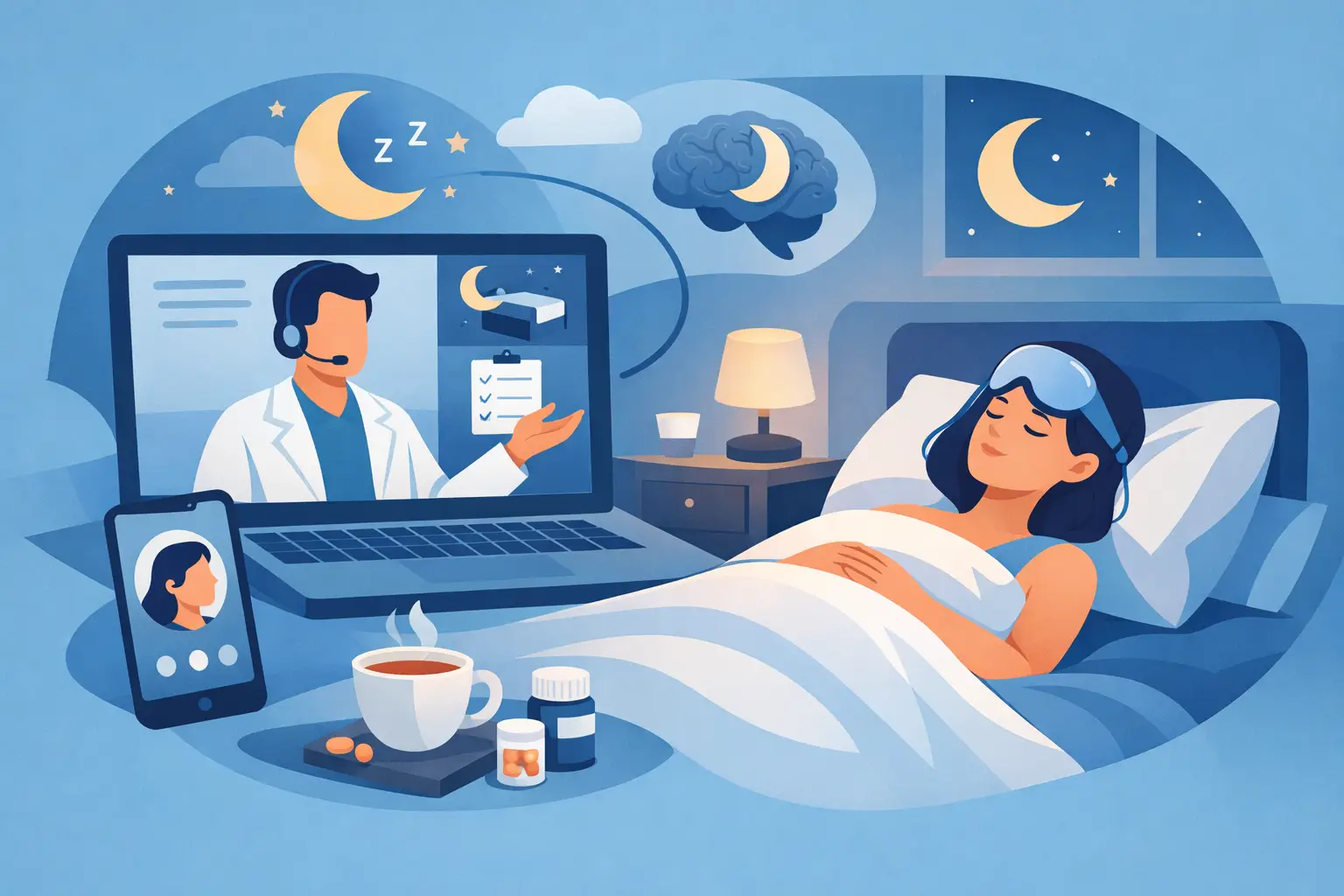
Waking up tired after a full night in bed is more than frustrating. If loud snoring, gasping, morning headaches, or daytime fatigue have become part of your routine, a virtual sleep consultation can be a practical first step toward answers. It gives you a private, convenient way to discuss possible sleep apnea and determine what kind of testing or treatment may make sense, without starting with a trip to a sleep clinic.
For many people, the hardest part of sleep apnea care is not the therapy itself. It is figuring out where to begin. A remote consultation can turn a confusing set of symptoms into a clear path forward: evaluation, home sleep apnea testing when appropriate, prescription support, and CPAP therapy designed for better breathing and deeper sleep.
What Happens During a Virtual Sleep Consultation?
A virtual appointment is a real conversation about your sleep, health history, and daily symptoms. You meet remotely with a qualified provider using a phone, tablet, or computer. The goal is not to make assumptions based on snoring alone. It is to understand whether obstructive sleep apnea or another sleep-related concern could be affecting your rest and health.
You may be asked about how often you snore, whether anyone has noticed pauses in your breathing, how rested you feel in the morning, and whether you struggle to stay alert during the day. Your provider may also discuss factors that can affect breathing during sleep, including certain medications, alcohol use, nasal congestion, weight changes, heart or lung conditions, and prior sleep apnea treatment.
If you already use CPAP, the conversation may focus on a different issue. Perhaps your machine is aging, your prescription needs renewal, your mask leaks, or you have stopped using therapy because it no longer feels comfortable. Those details matter. Effective treatment is not only about having a device. It is about having a setup you can use consistently.
Your appointment should end with understandable next steps. Depending on your situation, that may include a home sleep apnea test, guidance on renewing a prescription, or help selecting appropriate PAP equipment and supplies after a prescription is in place.
When a Virtual Sleep Consultation Makes Sense
Remote care is especially useful when you have symptoms that raise concern for sleep apnea but have not yet had a sleep evaluation. Common signs include loud or frequent snoring, witnessed breathing pauses, choking or gasping during sleep, frequent nighttime waking, dry mouth upon waking, morning headaches, irritability, and ongoing daytime sleepiness.
It can also be a convenient option if access is the problem. Traditional sleep-clinic visits can require time off work, long drives, and weeks of waiting. A virtual visit lets you begin the process at home, often with less disruption to your schedule and more privacy.
For established PAP users, virtual support can help remove a different kind of barrier. A lost prescription, an expired prescription, or uncertainty about whether a new machine is needed should not automatically mean starting from scratch. Online prescription-renewal services can be particularly helpful for people whose therapy needs are stable and who need an efficient way to continue purchasing equipment or replacement supplies.
Still, virtual care is not the best fit for every concern. Some people need in-person evaluation, an overnight lab study, or more specialized medical follow-up. A provider can help determine whether at-home testing is appropriate based on your symptoms and health history. Chest pain, severe shortness of breath, sudden weakness, confusion, or other urgent symptoms require immediate medical attention rather than a routine virtual appointment.
How Home Sleep Apnea Testing Fits In
A consultation does not necessarily mean you will be diagnosed during the video visit. Sleep apnea is generally confirmed through sleep testing. For many adults with a strong likelihood of uncomplicated obstructive sleep apnea, a home sleep apnea test may be the next reasonable step.
A home test is designed to collect information while you sleep in your own bed. It may track breathing patterns, airflow, oxygen levels, and related signals. The process is typically simpler than an overnight sleep-lab study, and sleeping in familiar surroundings can feel more comfortable for people who are already exhausted by poor rest.
At-home testing has trade-offs. It is focused primarily on identifying obstructive sleep apnea and may not capture every sleep disorder or complex medical issue. If results are unclear, negative despite strong symptoms, or suggest a more complicated condition, further testing may be recommended. That is not a setback. It is how care stays personalized and safe.
Once results are reviewed, a provider can explain what they mean in plain language and discuss treatment options. If PAP therapy is prescribed, you can move forward with the equipment that matches your clinical needs and comfort preferences.
From Prescription to CPAP Therapy at Home
A prescription is an important part of PAP therapy because it specifies the type of treatment and settings needed for your sleep apnea. After a virtual evaluation and testing process, many people can continue their care from home by ordering prescribed CPAP or bilevel equipment online.
The right device is only one piece of a comfortable setup. Automatic pressure adjustment may be recommended for some users, while others may need a fixed-pressure CPAP or bilevel therapy. Heated humidification can help reduce dryness, and climate-control tubing can support a more consistent airflow temperature. These features are not simply technical extras. They can make therapy feel easier to use night after night.
Mask comfort deserves the same attention. A nasal mask, nasal pillows, or full-face mask may work best depending on whether you breathe through your nose or mouth, move frequently in sleep, wear glasses, or feel sensitive to pressure around the face. There is no single best mask for everyone. A mask that seals well but feels restrictive may lead to skipped nights, while a comfortable mask with frequent leaks can interrupt therapy.
That is why ongoing access to replacement cushions, headgear, filters, tubing, and humidifier chambers matters. Parts wear down gradually, so many people do not notice a problem until they are waking with leaks, dry air, or less effective therapy. Regular replacement supports cleaner equipment, a better seal, and a more comfortable experience.
Questions to Ask Before Your Appointment
A little preparation can make a virtual visit more useful. Think about when your symptoms began, whether they have changed, and what your bed partner has noticed. If you have prior sleep-study results, a current or expired PAP prescription, or details about the machine and mask you use, keep them nearby.
It also helps to be direct about your goals. You may want to find out whether sleep apnea is causing your exhaustion. You may need a home sleep test because an in-lab study feels out of reach. Or you may be an experienced CPAP user who wants a simpler way to renew a prescription and replace an aging device. Each goal can shape the next step.
Ask how your health information will be handled, whether insurance coverage can be checked, what costs to expect, and how quickly you may receive guidance after testing. Affordable care should still be clear care. You deserve to understand the process before you commit to it.
A More Manageable Way to Start
Sleep apnea care can feel like a lot when you are already running on too little sleep. A virtual sleep consultation makes the starting point simpler: talk with a provider, understand your options, and take the next appropriate step from home. At Affordable Sleep Solutions, that path can include remote consultation, home testing, prescription support, and the CPAP equipment and replacement supplies needed to stay on therapy.
Better sleep is rarely about perfection on the first night. It is about building a treatment routine that fits your needs, your comfort, and your budget. If your sleep is leaving you drained, a clear conversation from home may be the beginning of breathing better and waking up ready for the day.