 Featured Machines
 Travel CPAPs
 Most Popular Masks
 Tubes and Hoses
 Humidifier Chambers
 Machine Filters
 Power Cords
 Headgear
 Nasal Pillows
 Cushions and Seals

Choose a Travel CPAP Machine for Better Trips

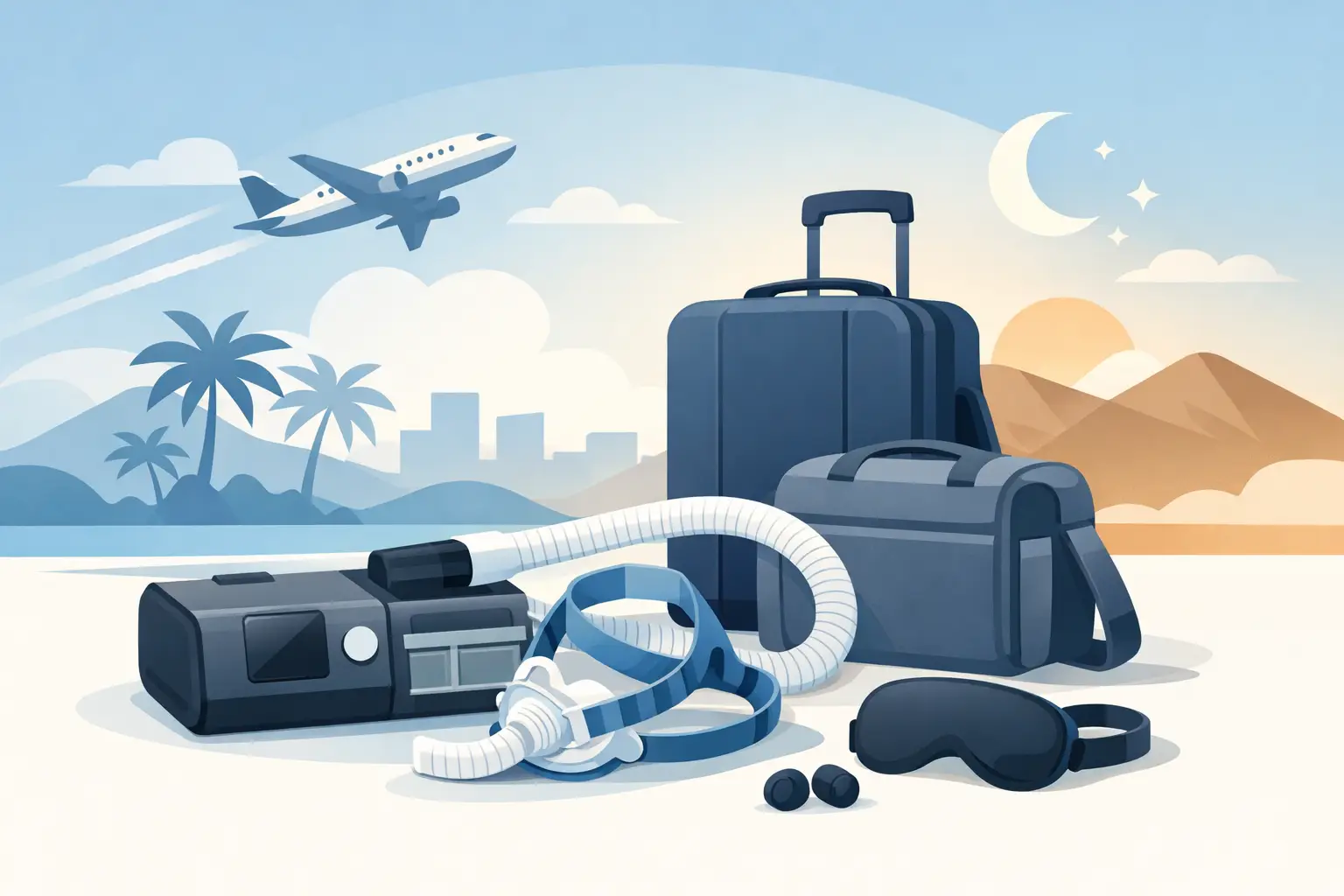
A hotel pillow can be too soft. A red-eye flight can leave you exhausted. But skipping sleep apnea therapy can make either problem feel much worse. A travel CPAP machine gives you a practical way to keep your treatment going when you are away from home, so you can breathe better, sleep deeper, and arrive with more energy for the plans that matter.
For many CPAP users, travel is less about finding the smallest device and more about avoiding a break in a routine that protects their sleep. The right setup should fit your trip, your prescribed therapy, and your comfort preferences without creating extra stress at bedtime.
Why a Travel CPAP Machine Can Make a Difference
Regular CPAP therapy is designed to keep your airway open while you sleep. When treatment is interrupted for several nights, symptoms such as loud snoring, morning headaches, dry mouth, fragmented sleep, and daytime fatigue may return. For people with obstructive sleep apnea, a vacation or business trip is not necessarily a reason to pause care.
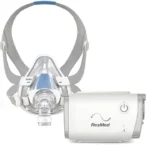
A travel CPAP machine is typically smaller and lighter than a bedside device, making it easier to pack in a carry-on or keep close during a road trip. Many models offer automatic pressure adjustment, convenient controls, and optional humidification features in a compact format. That combination can be especially helpful when your schedule is changing, your room is unfamiliar, and you need a simple, dependable routine.
Smaller does involve trade-offs. A travel model may have less built-in humidification capacity, a smaller display, or fewer comfort settings than a full-size machine. The best choice depends on how often you travel, whether dryness affects your sleep, and how important battery operation is for your plans.
What to Look for in a Travel CPAP Machine
Start with the therapy your prescription calls for. If you use CPAP or APAP therapy, confirm that the travel device supports your prescribed pressure range and treatment mode. If you use bilevel therapy or require specialized settings, a compact CPAP may not be the right replacement for your standard machine. Your sleep care provider can help you understand which device features are appropriate.
Size Matters, but Comfort Matters More
A compact machine is useful when luggage space is limited, but it should still work with a mask you can sleep in comfortably. Some travel devices use proprietary tubing or adapters, while others may work with standard CPAP masks and hoses. Before a major trip, connect every piece at home and run the device for a night or two.
This simple trial can reveal issues that are easy to solve before departure, such as a missing connector, an unfamiliar control setting, or a mask leak. It also gives you time to decide whether you prefer to bring your usual mask or a smaller travel-friendly option.
Humidification and Dry-Air Comfort
Heated humidification can make therapy more comfortable for people who wake with nasal dryness, congestion, or a dry throat. Full-size machines often have integrated water chambers and heated tubing options. Travel machines may use waterless humidification cartridges, compact chambers, or no humidification at all.
There is no universal best option. Waterless humidification can be convenient for flights and short stays, while a traditional humidifier may feel more comfortable in a dry hotel room or desert climate. If humidity is essential to your therapy, compare the available options carefully rather than choosing based on size alone.
Power Options for Real-World Travel
Most hotel rooms, family homes, and cruise cabins have standard outlets, but power needs can change quickly on a camping trip or during a long drive. Check the device’s power requirements before buying a battery. Not every portable battery is compatible with every CPAP model, and runtime changes based on pressure settings, humidification, heated tubing, altitude, and temperature.
For air travel, check your airline’s current policies well before your flight, especially if you plan to use your machine in the air or carry a CPAP battery. Airlines can have specific rules for medical devices, battery labeling, and advance notice. Keep the machine, power supply, and documentation accessible rather than packing them at the bottom of checked luggage.
Pack for a Successful Night, Not Just the Flight
Your device is only one part of therapy. A few small supplies can prevent an inconvenient problem from becoming a sleepless night. Keep your CPAP equipment together in its travel case, and carry it with you whenever possible.
For trips lasting more than a night or two, bring these essentials:
- Your travel CPAP machine, power supply, and the correct outlet adapter if needed
- Your mask, tubing, cushions or seals, and any required device-specific connectors
- A spare filter and a backup cushion if your mask parts are nearing replacement time
- Distilled water when using a compatible water chamber, if it is practical for your destination
- A copy of your prescription and your device information for added peace of mind
It is also smart to pack a small cleaning cloth and a sealable bag for keeping supplies organized. Routine cleaning still matters while traveling, but you do not need to turn your hotel bathroom into a supply room. Empty any water chamber before packing, allow components to dry when possible, and follow the manufacturer’s cleaning instructions.
Use Your Machine Before You Need It
The first night of a trip is not the ideal time to learn a new device. Set up your travel machine at home first, including your mask, tubing, power cord, and humidification solution. Confirm that you understand how to start therapy, adjust comfort settings allowed by your prescription, and access the device’s data or app features if applicable.
If you are switching from a full-size device, pay attention to sound and airflow differences. Compact machines may feel or sound different simply because of their design. That does not automatically mean therapy is less effective, but getting familiar with the experience at home can make it easier to relax when you are away.
For frequent travelers, consider keeping a dedicated travel kit ready. Replace filters and worn mask parts before a long trip rather than hoping they will last one more week. A fresh cushion and clean filter can support a more reliable seal and comfortable airflow when you need good sleep most.
When a Full-Size CPAP May Be the Better Choice
A travel model is convenient, but it is not required for every trip. If you are driving and have plenty of room, taking your regular CPAP may provide the comfort features you already know work well. This can be a better choice for longer stays, especially if you rely on a heated humidifier, heated tubing, or a larger water chamber.
Your regular machine may also be preferable when you are still adjusting to therapy, have frequent mask leaks, or need detailed monitoring features. Consistency is more valuable than portability if a smaller setup would make you less likely to use treatment.
On the other hand, a compact device can be a worthwhile investment for frequent flyers, business travelers, campers with an appropriate battery setup, and anyone who has avoided bringing CPAP equipment because it felt too bulky. Affordable Sleep Solutions can help make the equipment side of sleep apnea care more manageable, from prescription support to travel-ready therapy options and replacement supplies.
Make Travel Part of Your Therapy Routine
Sleep apnea treatment should support your life, including the parts that happen outside your bedroom. Plan ahead, test your setup, and choose a device that matches your real comfort needs instead of chasing the smallest possible bag.
Whether you are visiting family for a weekend or crossing the country for work, bringing your therapy with you is a practical act of self-care. A well-prepared travel setup can help you wake up clearer, steadier, and ready to enjoy where you are.