 Featured Machines
 Travel CPAPs
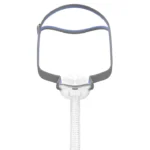 Most Popular Masks
 Tubes and Hoses
 Humidifier Chambers
 Machine Filters
 Power Cords
 Headgear
 Nasal Pillows
 Cushions and Seals

How CPAP Mask Types Affect Comfort and Sleep

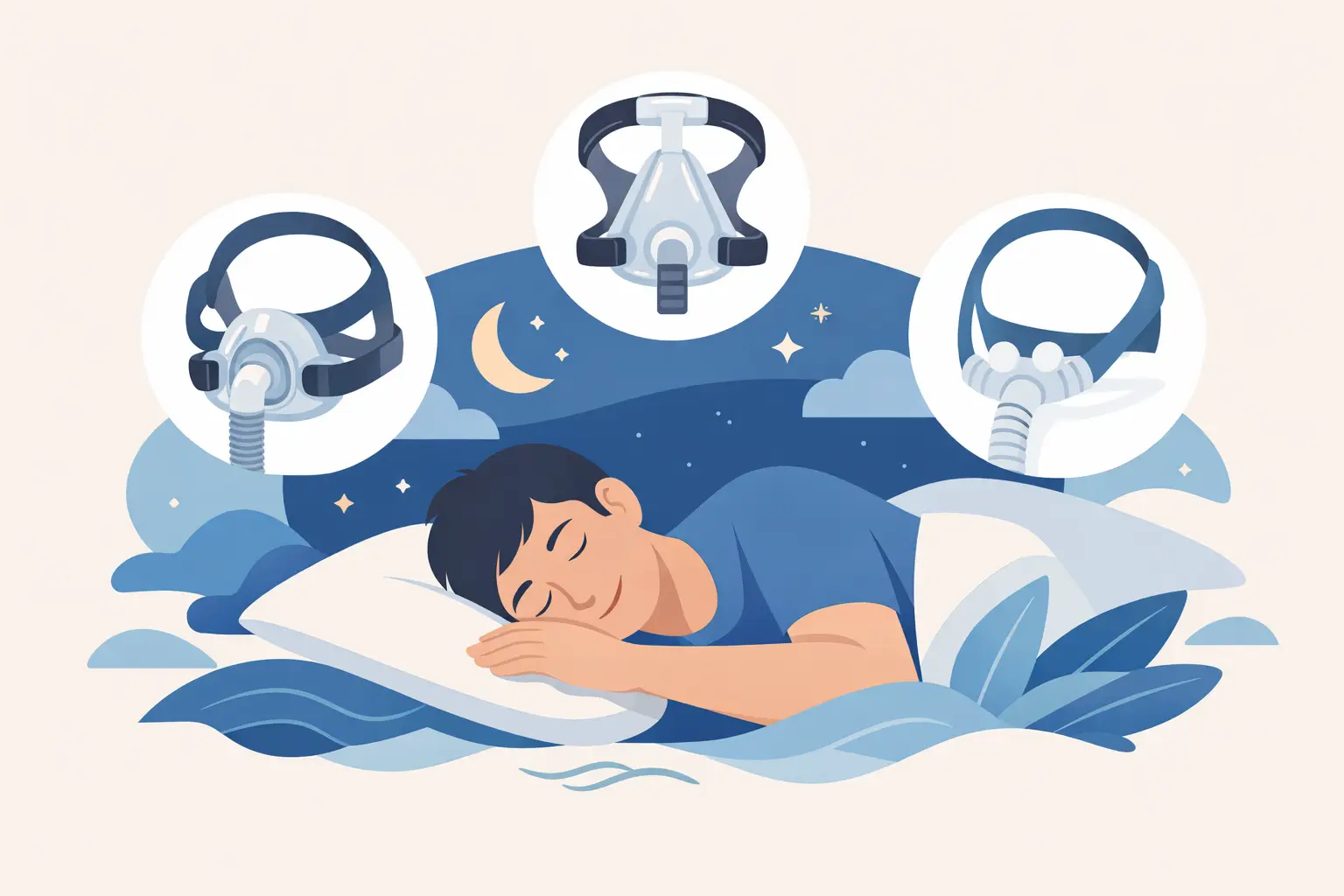
A CPAP machine can deliver the pressure your airway needs, but the mask is the part you feel all night. That is why understanding CPAP mask types matters so much. A mask that matches your breathing habits, sleep position, and comfort preferences can make therapy feel far more manageable from the first night forward.
There is no single best CPAP mask for everyone. Some people want the lightest possible design with an open field of vision. Others need a secure seal that accommodates mouth breathing or higher pressure settings. The goal is not to force yourself to tolerate a mask. It is to find one that helps you breathe better, sleep deeper, and stay consistent with treatment.
The Three Main CPAP Mask Types
Most CPAP masks fall into three categories: nasal pillow masks, nasal masks, and full face masks. Each delivers prescribed PAP therapy effectively when it fits correctly, but each has practical differences that can affect comfort and leak control.
Nasal pillow masks
Nasal pillow masks are the smallest option. Two soft cushions rest at the entrance of the nostrils, delivering airflow directly into the nose. Their minimal design leaves most of the face uncovered and usually uses less headgear than other mask styles.
This style often works well for people who feel claustrophobic in larger masks, wear glasses before bed, read or watch television while settling in, or sleep on their side. It can also be a convenient choice for frequent travelers because the mask is compact and light.
The trade-off is that nasal pillows may not be ideal for every pressure setting or every nose shape. At higher pressures, some users feel more direct airflow in the nostrils. Nasal dryness, tenderness, or a small leak can also occur if the pillow size is wrong or the straps are overtightened. A heated humidifier and the right cushion size can often make a meaningful difference.
Nasal masks
A nasal mask covers the nose from the bridge to just above the upper lip. It is larger than a pillow mask but smaller than a full face design, giving many users a comfortable middle ground between a minimal feel and a stable seal.
Nasal masks are often a good fit for people who primarily breathe through their nose and want a little more structure around the mask cushion. They are available in several frame styles, including masks with tubing positioned at the front or over the top of the head. A top-of-head connection can give active sleepers more room to turn from side to side.
If you regularly wake with a dry mouth, notice air escaping from your lips, or have ongoing nasal congestion, a nasal mask alone may be less comfortable. Some people use a chin strap to help keep the mouth closed, but persistent mouth leaks are often a sign that a full face mask may be worth considering.
Full face masks
Full face masks seal over both the nose and mouth. They are generally the most practical choice for people who breathe through their mouth during sleep, have frequent congestion or allergies, or struggle with mouth leaks when using a nasal mask.
Because they cover more of the face, full face masks can feel more noticeable at first. They also have a larger surface area where leaks can develop, especially around the bridge of the nose or near the corners of the mouth. Proper sizing is essential, and tighter is not always better. Overtightening can flatten the cushion and create more leaks instead of fewer.
Many newer full face designs are less bulky than traditional masks. Some sit lower on the face and rest under the nose rather than across the nasal bridge. This can improve visibility and reduce pressure marks for people who want full mouth-and-nose coverage without a heavy, restrictive feel.
Choosing Among CPAP Mask Types
The most comfortable mask is usually the one that works with your natural sleeping and breathing patterns. Start by thinking about what happens during a typical night, rather than choosing based on appearance alone.
If you consistently breathe through your nose and prefer minimal contact, nasal pillows may be a strong starting point. If you want a secure seal while keeping your mouth uncovered, a nasal mask may offer the right balance. If you mouth breathe, wake with dry mouth, or deal with nasal blockage, a full face mask can provide more dependable therapy.
Your sleep position matters too. Side sleepers often prefer a compact nasal pillow or nasal mask because there is less material pressed into the pillow. Back sleepers may have flexibility across all three categories. Stomach sleepers typically need a slim profile and may benefit from a CPAP-friendly pillow designed to reduce pressure on the mask.
Facial hair can also affect the seal, particularly with full face masks. You do not necessarily need to shave, but a shorter, well-trimmed beard may make leak control easier. For any mask type, the cushion should rest against clean, dry skin. Facial oils and residue from moisturizers can cause a cushion to slide or leak.
A Good Fit Should Feel Secure, Not Tight
A CPAP mask should be snug enough to maintain a seal but never painfully tight. Red marks, numbness, soreness, or deep strap impressions are signs that the fit needs attention. You may need a different cushion size, a different frame size, or an entirely different mask style.
Put the mask on while sitting up, then turn on your CPAP machine and adjust the straps gradually. The pressurized air helps the cushion inflate into its intended position. Afterward, lie down in your usual sleep position and check for leaks. A mask that seems fine while sitting can shift once your face relaxes on a pillow.
Small adjustments are usually more effective than pulling every strap tighter. If air leaks near the eyes, gently reposition the mask or loosen the upper straps slightly. If the cushion leaks around the mouth or nose, confirm that the cushion is clean and not worn out. CPAP cushions are replacement parts, and an aging cushion may lose the softness needed for a reliable seal.
When Dryness, Leaks, or Congestion Get in the Way
Early CPAP challenges are common, and they are usually solvable. Dry nose or throat may improve with heated humidification. If you experience rainout, which is water collecting in the tubing or mask, adjusting humidity and tube temperature can help. Heated tubing can also support more consistent moisture delivery in a cooler bedroom.
Nasal congestion deserves attention because it can make a nasal mask difficult to use. Some people find relief by treating seasonal allergies with guidance from their healthcare provider, using saline before bed, or switching temporarily to a full face mask during a cold. Do not stop therapy without discussing persistent discomfort or breathing concerns with a qualified clinician.
If your machine reports high leak levels, inspect the cushion for wear, wash the mask components according to the manufacturer’s instructions, and check that the frame is assembled correctly. Leaks are not always caused by poor fit. A stretched headgear strap, a cracked elbow, or a worn cushion can all affect performance.
Give Yourself Time to Adjust
A new mask can feel unfamiliar for the first few nights. Wearing it for a few minutes while awake can help your body adapt without the pressure of trying to fall asleep immediately. Use the machine’s ramp feature if it is prescribed and available, and build a predictable bedtime routine around your therapy.
It is also reasonable to try a different style if your first mask is not working. Comfort is not a luxury in sleep apnea treatment. It is part of what helps you use CPAP consistently enough to protect your sleep, energy, and long-term health.
Affordable Sleep Solutions makes it easier to manage that process from home, whether you need replacement mask parts, a new style, prescription renewal support, or help understanding your equipment options. The right mask should support your life, not make bedtime feel like another obstacle.
A comfortable seal, clear airflow, and a mask you can wear night after night are worth the time it takes to get right. Start with how you naturally breathe and sleep, then let comfort guide the next step toward more restorative rest.