
 Featured Machines
 Travel CPAPs
 Most Popular Masks
 Tubes and Hoses
 Humidifier Chambers
 Machine Filters
 Power Cords
 Headgear
 Nasal Pillows
 Cushions and Seals

Travel CPAP: Sleep Better Wherever You Go

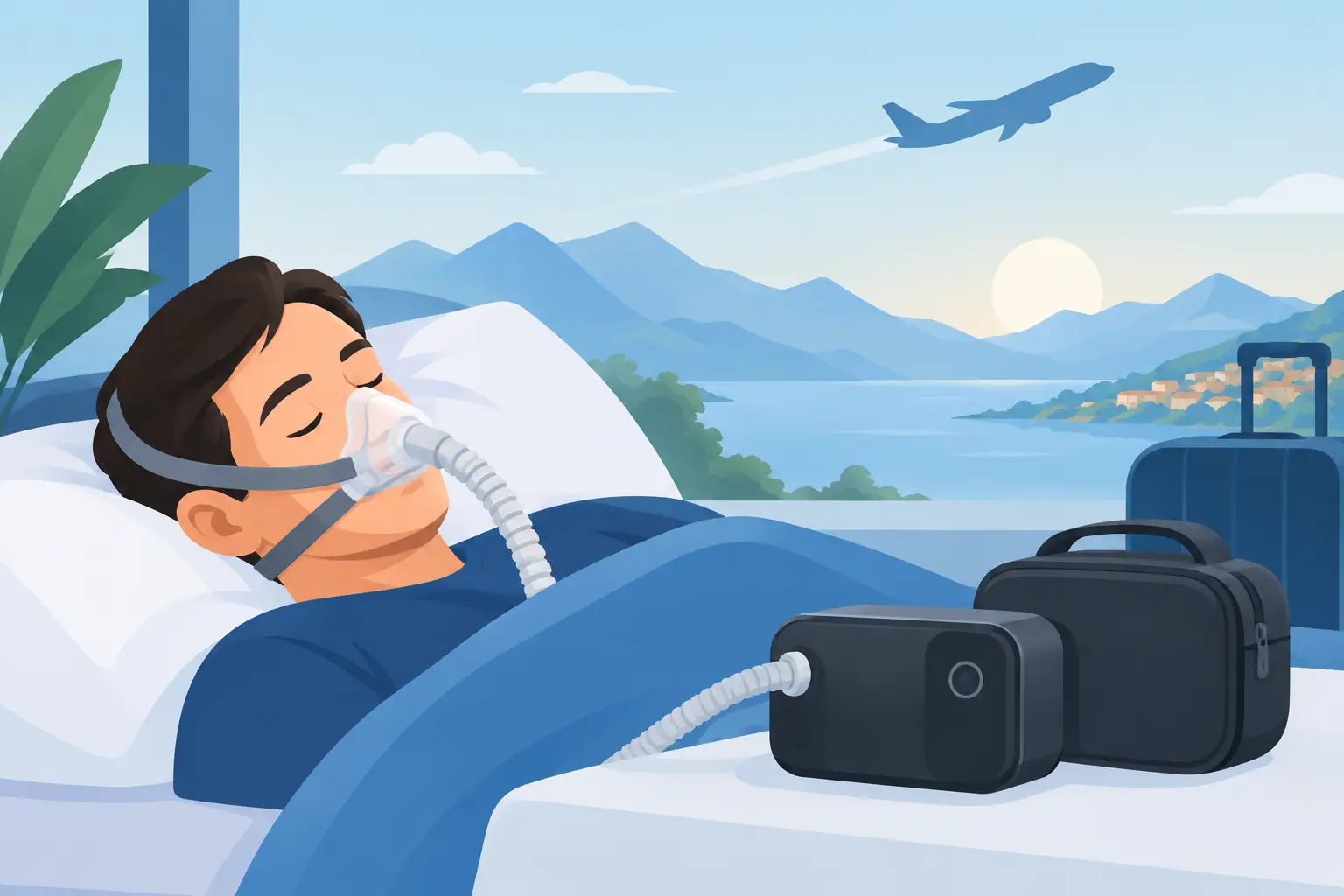
A hotel pillow, a red-eye flight, or a long drive should not mean taking a break from the sleep apnea treatment that helps you breathe better and wake more refreshed. A travel CPAP is designed to make consistent therapy more practical when you are away from home. It is smaller, lighter, and easier to pack than many bedside machines, helping you protect your sleep routine without giving up valuable luggage space.
For people with obstructive sleep apnea, regular therapy matters. Skipping treatment for a few nights can bring back familiar problems: loud snoring, disrupted sleep, morning headaches, dry mouth, fatigue, and difficulty concentrating the next day. Whether you travel for work, visit family, take weekend trips, or spend time outdoors, the right setup can help you continue working toward a rejuvenating night’s sleep.
What Makes a Travel CPAP Different?
Travel CPAP machines are built around portability. They are generally compact, lightweight, and designed with simplified controls and flexible power options. Many use automatic pressure adjustment, which can respond to changes in breathing throughout the night. That can be especially helpful when sleep schedules, elevations, and sleeping environments change during a trip.
The trade-off is that a travel machine may not offer every convenience of a full-size home device. Some models use waterless humidification rather than an integrated heated humidifier. Others may require a specific mask connector, slim tubing, or optional accessories for battery use. A smaller machine can also sound different than the CPAP you use at home, even when its sound level is appropriate for sleep.
That does not make travel CPAP therapy less effective. It simply means the best device depends on your prescribed settings, comfort preferences, trip length, and access to power. If you depend on heated humidity to manage nasal dryness, for example, your travel plan may need more consideration than someone who is comfortable using a moisture-exchange system.
Who Benefits From a Travel CPAP?
A portable device can be a practical choice for frequent travelers who do not want to repeatedly disconnect and repack their home CPAP. It can also be useful for people who split time between two homes, visit family regularly, take RV trips, or want a more compact option for short getaways.
For some patients, bringing their standard machine remains the better choice. This is often true if you need a particular humidification setup, use bilevel therapy, or have complex comfort needs that are best supported by your current device. Your prescribed therapy should always come first. Portability is valuable, but it should not come at the expense of effective, comfortable treatment.
If you are new to CPAP, consider getting comfortable with therapy at home before relying on a travel device for an important trip. A few nights of practice with the machine, mask, and humidification approach can prevent frustrating surprises in a hotel room.
How to Choose a Travel CPAP That Fits Your Therapy
Start with your prescription. CPAP machines are prescription medical devices, and the pressure settings on your travel unit should match the therapy prescribed by your clinician. If your prescription has expired or your needs have changed, an online prescription renewal and clinical review may help you move forward without adding unnecessary in-office visits.
Next, think about the parts of therapy that most affect your comfort. If nasal congestion or dry mouth tends to disrupt your sleep, look closely at the machine’s humidification options. Waterless humidity systems can be convenient because there is no chamber to fill or empty, but they may feel different from heated humidification. Individual comfort varies, particularly in dry climates or air-conditioned rooms.
Mask compatibility deserves equal attention. Some travel machines work with standard CPAP masks, while others may need an adapter or work best with a dedicated mask setup. Before ordering, confirm that your current full-face mask, nasal mask, or nasal pillows are compatible. Bring replacement cushions, seals, and headgear if those items are nearing the end of their usable life. A worn cushion can turn a manageable night away from home into a night of air leaks and interrupted sleep.
Also consider power. Most travel CPAP devices are made for convenient use with AC power and may support battery solutions for camping, road trips, or power interruptions. Battery runtime varies with your pressure, mask leak, altitude, and use of comfort features. If you will be away from reliable power, check the battery’s capacity and airline requirements well before departure.
Packing Your Travel CPAP for Flights and Road Trips
Your CPAP should travel with you in the cabin when you fly. It is a medical device, and keeping it with you reduces the risk of loss or damage in checked luggage. Many travelers place the machine in its protective carry case and keep the essentials together: power supply, tubing, mask, filters, and any needed adapter.
A small preparation routine helps. Before your trip, inspect the filter, check the power cord, and make sure the mask cushion is clean and sealing well. Pack an extra cushion or nasal pillows if you have them, especially for a longer trip. A replacement filter and tubing can be worthwhile when traveling internationally or to a destination where CPAP supplies may be difficult to find quickly.
At airport security, your machine may need to be removed from its case for screening. A clear plastic bag can help protect it while it is in a screening bin. Policies and procedures can vary by airport, so allow a little extra time and carry your prescription or a copy of your therapy documentation if it gives you peace of mind.
For road travel, avoid leaving your device in a hot or cold vehicle for extended periods. Extreme temperatures can affect equipment and supplies. When you arrive, set up your machine on a stable nightstand or table, away from curtains, bedding, and areas where it could be knocked over.
Make the First Night Away Easier
The goal is not to create a perfect version of your bedroom. It is to make therapy familiar enough that your body can settle into sleep. Set up the device before you are exhausted, rather than trying to manage cords and mask adjustments after a late dinner or long day of travel.
Use your normal bedtime routine when possible. If you usually read for a few minutes, use nasal saline, or adjust your ramp setting before bed, keep those habits in place. Bring your preferred mask instead of switching masks on the same trip you are trying a new travel CPAP. One new variable is usually manageable; several at once can make it harder to identify what is affecting comfort.
Hotel outlets can be inconveniently placed, so a compact extension cord may be useful. Just keep cords safely positioned to avoid a tripping hazard. If you are concerned about noise, place the device on a solid surface and make sure the tubing is fully connected. Mask leaks are often more noticeable than the machine itself.
When You Need Help With Equipment or Coverage
Buying a travel device can feel more complicated than it needs to be, especially when you are trying to verify a prescription, determine insurance coverage, or confirm that supplies will work together. The most useful support is specific: help understanding your prescription, selecting compatible equipment, and knowing which accessories are truly needed for your trip.
Pulmonary & Sleep Medicine Consultants can help connect the clinical and equipment sides of your care, including home sleep apnea testing, virtual consultations, prescription renewal support, insurance verification, and CPAP supply access. That connected approach can be particularly helpful when an upcoming trip reveals that your current therapy setup is no longer meeting your needs.
A travel CPAP is not just another item to pack. It is a way to keep giving yourself the treatment, energy, and clearer mornings that sleep apnea therapy can support, wherever you lay your head tonight.