
 Featured Machines
 Travel CPAPs
 Most Popular Masks
 Tubes and Hoses
 Humidifier Chambers
 Machine Filters
 Power Cords
 Headgear
 Nasal Pillows
 Cushions and Seals

Home Sleep Test: A Clear Path to Better Rest

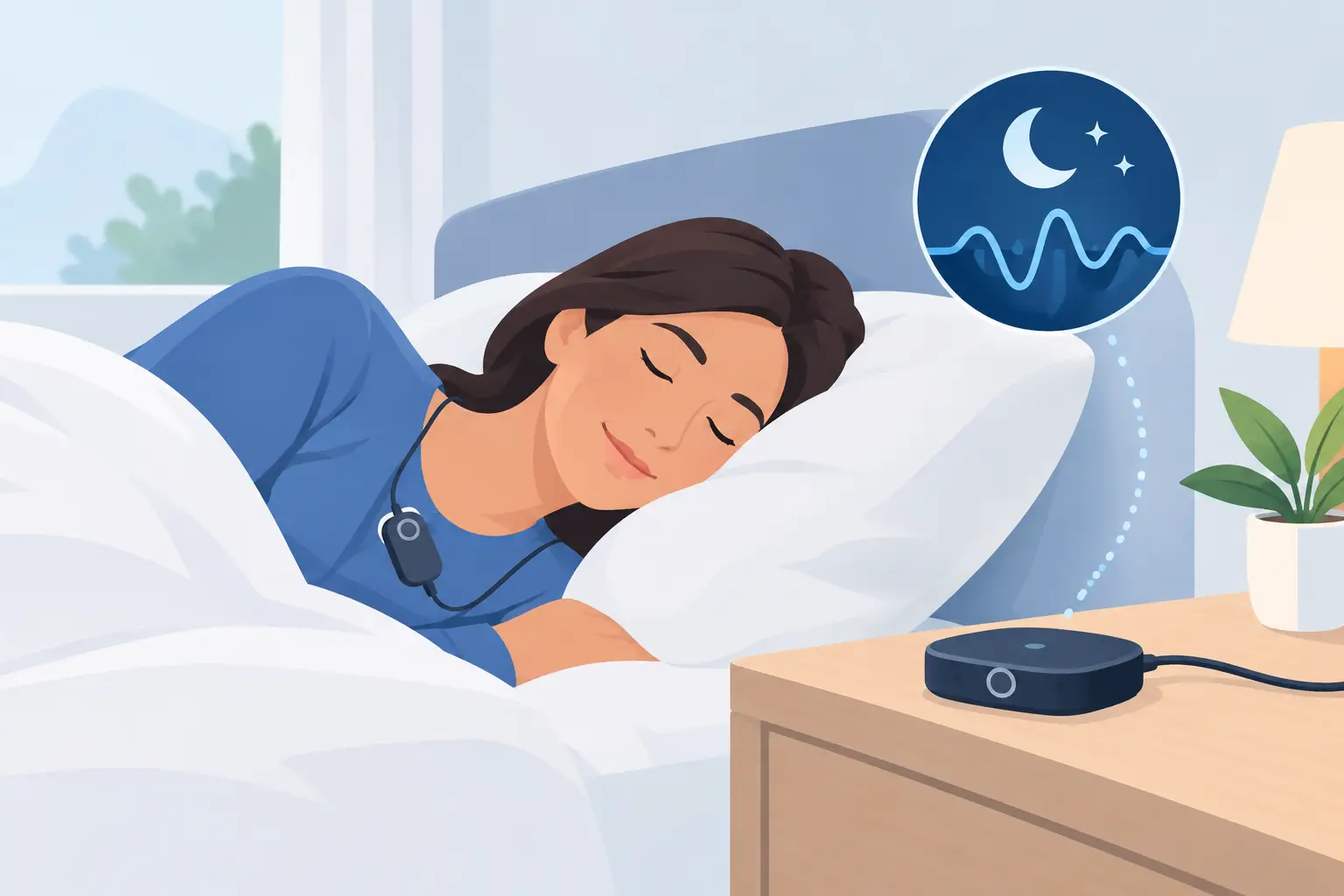
Waking up tired after a full night in bed is frustrating. So is hearing that you snore loudly, gasp in your sleep, or seem to stop breathing. A home sleep test offers a private, convenient way to evaluate whether obstructive sleep apnea may be interrupting your rest – without spending the night in a sleep lab.
For many adults, testing at home is the first practical step toward clearer answers, more energetic mornings, and treatment that fits real life. The process is designed around your schedule, but the results still need careful clinical review. That balance of convenience and medical guidance matters.
What Is a Home Sleep Test?
A home sleep test, also called a home sleep apnea test, is a portable study that collects breathing information while you sleep in your own bed. Depending on the device, it may measure airflow, breathing effort, blood oxygen levels, heart rate, snoring, and body position.
The goal is to identify signs of obstructive sleep apnea, or OSA. This common condition occurs when the upper airway repeatedly narrows or closes during sleep. Your body briefly works to reopen the airway, often disrupting normal sleep patterns without you fully remembering the events the next morning.
Unlike a full in-lab sleep study, a home test generally does not measure brain waves, leg movements, or every stage of sleep. That makes it a focused tool, not a replacement for every type of sleep evaluation. For adults with a strong likelihood of uncomplicated moderate to severe OSA, however, it can be an appropriate and efficient starting point.
Signs You May Benefit From a Home Sleep Test
Sleep apnea does not always look the same from person to person. Some people recognize loud snoring right away. Others come in because they cannot shake daytime fatigue, morning headaches, or trouble concentrating at work.
A virtual sleep consultation may be worth considering if you have repeated pauses in breathing observed by a bed partner, wake up choking or short of breath, or feel unrefreshed despite enough time in bed. High blood pressure, atrial fibrillation, type 2 diabetes, weight changes, and a family history of sleep apnea can also make an evaluation especially worthwhile.
Snoring alone does not confirm sleep apnea, and not everyone with OSA snores. The key question is whether breathing disruptions are affecting your sleep, health, and daily life. A clinician can review your symptoms and health history to determine whether home testing is likely to provide a reliable answer.
When an In-Lab Study May Be Better
Home testing is not right for every situation. An in-lab polysomnogram may be recommended if there is concern for central sleep apnea, significant heart or lung disease, certain neurologic conditions, chronic opioid use, suspected sleep-related movement disorders, or severe insomnia that may interfere with collecting enough data.
It may also be the next step when a home sleep test is negative or inconclusive but symptoms strongly suggest sleep apnea. A negative result should not be treated as a final answer when the clinical picture says otherwise. Good sleep care follows the data and the person, not a one-size-fits-all path.
What to Expect During a Home Sleep Test
After a clinician determines that home testing is appropriate, you receive a compact testing device with instructions for use. Setup is usually straightforward: you apply the sensors before bed, sleep as normally as you can, and return the device or upload the data as directed.
You do not need to create a perfect night of sleep. In fact, the value of at-home testing is that it records your breathing in your familiar environment. Still, following the instructions carefully helps produce usable results. Place the sensors as shown, keep your usual bedtime when possible, and avoid taking a new sedative or sleep aid unless your clinician has advised you to do so.
The device is intended to monitor, not treat. It does not deliver CPAP pressure, and it cannot diagnose every reason for poor sleep. Its information is reviewed alongside your symptoms, medical history, and clinical assessment.
Understanding Your Results
Your results may include an apnea-hypopnea index, often shortened to AHI or REI depending on the test. This number estimates how often breathing slows or stops during the recording period. Oxygen changes and breathing patterns also help the clinician assess the findings.
A higher number can point toward more frequent obstructive events, but the number alone is not the whole story. Oxygen levels, symptoms, health conditions, and the quality of the recording all matter. This is why a clinical interpretation is more useful than trying to read a report in isolation.
If obstructive sleep apnea is confirmed, treatment may include positive airway pressure therapy, commonly called CPAP or APAP. These devices use gentle air pressure to keep the airway open while you sleep. Modern options can include automatic pressure adjustment, heated humidification, and mask styles designed around different sleep positions and comfort needs.
For many patients, the first few nights with therapy take adjustment. A dry mouth, mask leaks, or feeling unfamiliar with the pressure are common concerns that can often be addressed with the right settings, mask fit, humidification, or replacement supplies. Comfort is not an extra. It is part of making treatment work consistently.
From Testing to Treatment Without Added Runaround
A sleep apnea diagnosis can feel like one more thing to manage. The next steps should be clear: review your results, discuss treatment, confirm prescription requirements, and select equipment that is medically appropriate for you.
At Pulmonary & Sleep Medicine Consultants, patients can move from a virtual consultation and home sleep testing to prescription support, insurance-coverage verification, and CPAP equipment options in one connected care experience. That can reduce the back-and-forth that often delays treatment, particularly for busy adults and people replacing an expired CPAP prescription.
A valid prescription is required for CPAP and bilevel machines in the United States. If you already use therapy, an online prescription renewal may be an option when clinically appropriate. If you are new to treatment, your sleep-care team can help explain the recommendations and what each part of the setup does.
Your machine is only one part of therapy. The mask, cushion or nasal pillows, tubing, humidifier chamber, filters, and headgear all affect comfort and performance. Replacement timing varies by component, use, and insurance plan. A worn cushion can leak; a clogged filter can reduce airflow; an aging humidifier chamber can make therapy less pleasant than it needs to be.
Preparing for Better Results at Home
A few practical choices can make the testing night easier. Keep your device instructions nearby, charge or prepare the equipment if needed, and allow enough time to put on the sensors without rushing. If you normally sleep with a partner, their observations can be helpful context, but the recorded data is what your clinician uses to assess breathing patterns.
Privacy matters, too. Home testing lets you complete an evaluation in your own space, and responsible providers should protect your health information throughout the process. Ask questions about how results are reviewed, how your data is handled, what your out-of-pocket costs may be, and whether insurance verification is available before moving forward.
The most useful test is the one that leads to appropriate care. Whether your results confirm sleep apnea, point toward additional testing, or rule out one possible cause of fatigue, you gain information that can guide the next decision.
A better night’s sleep rarely begins with trying harder to sleep. It begins with understanding what your breathing is doing after the lights go out – and giving yourself a clear, supported path toward waking up ready for the day.