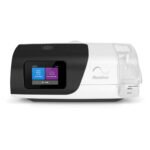
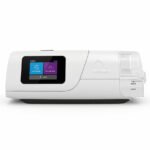
 Featured Machines
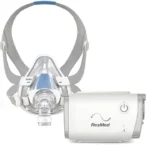 Travel CPAPs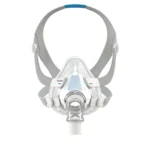
 Most Popular Masks
 Tubes and Hoses
 Humidifier Chambers
 Machine Filters
 Power Cords
 Headgear
 Nasal Pillows
 Cushions and Seals

Does Insurance Cover CPAP Machines? A Clear Answer


Waking up exhausted after a full night in bed can make every next step feel urgent. If a sleep study has confirmed sleep apnea, one of the first practical questions is, does insurance cover CPAP machines? Often, yes. But coverage depends on your plan, your diagnosis, your deductible, and whether you follow the insurer’s required steps before ordering equipment.
The good news is that CPAP therapy is widely recognized as a medically necessary treatment for obstructive sleep apnea. With the right documentation and a clear understanding of your benefits, many people can get the equipment they need without unnecessary delays or surprise costs.
Does Insurance Cover CPAP Machines and Supplies?
Many private health insurance plans, Medicare, and some Medicaid programs cover CPAP machines when they are prescribed to treat diagnosed obstructive sleep apnea. Coverage commonly includes the machine, a mask, tubing, filters, humidifier chambers, and replacement cushions or headgear on a set schedule.
That does not always mean your plan pays the full price. You may still be responsible for a deductible, copay, or coinsurance. A high-deductible plan, for example, may apply coverage but require you to pay a larger amount until your deductible is met. Other plans may cover a percentage of the approved equipment cost.
Your insurer may also require you to use an in-network durable medical equipment provider, often called a DME supplier. Buying from an out-of-network supplier can mean reduced reimbursement or no reimbursement at all, even when the machine itself is covered. Before placing an order, confirm which providers and purchasing options your plan accepts.
What Insurance Usually Requires Before Coverage Begins
Insurance approval is rarely based on snoring alone. Most plans need proof that CPAP therapy is medically necessary. This usually starts with a sleep test showing obstructive sleep apnea and a prescription from a qualified clinician.
A home sleep apnea test may be appropriate for many adults with suspected uncomplicated obstructive sleep apnea. For others, an in-lab sleep study may be recommended. Your clinician reviews the results, discusses treatment, and writes a prescription if PAP therapy is appropriate.
Insurers commonly ask for three core items: a qualifying sleep-study report, a valid prescription, and clinical documentation supporting the need for treatment. Some plans also require prior authorization before equipment is shipped. Prior authorization is not a denial. It is simply the insurer’s review process to confirm that the requested therapy meets its coverage rules.
If you already use CPAP and need a replacement machine, your insurer may want to see that the current device is old, malfunctioning, lost, or beyond its reasonable useful lifetime. Policies differ, but many plans treat a CPAP machine as equipment intended to last several years rather than something replaced annually.
Compliance Can Affect Continued Coverage
Some insurers, particularly Medicare, may initially cover CPAP therapy on a trial basis. During that period, they may ask for usage data from your device and follow-up documentation from your healthcare provider. The goal is to show that you are using therapy consistently and benefiting from it.
A common benchmark is using the machine for at least four hours per night on 70% of nights during a consecutive period. Your exact requirement can vary, so verify it with your plan. If comfort issues are making it hard to use your machine, do not wait until the compliance window is closing. A different mask style, humidification adjustment, pressure setting review, or fitting change can make therapy much easier to maintain.
How Much Will You Pay for a CPAP Machine?
The out-of-pocket cost comes down to your individual benefits. Even with insurance, the amount can vary substantially from one person to another. It may depend on your remaining deductible, coinsurance percentage, out-of-pocket maximum, network status, and whether your plan rents the device before transferring ownership.
Rental is common with some insurance plans. Instead of purchasing the machine outright, the insurer may pay monthly rental charges over a set period, provided you continue to meet usage requirements. At the end of the rental term, ownership may transfer to you. This arrangement can lower the initial expense, but it can also create more administrative steps.
For some people, paying cash may be worth comparing with insurance pricing. This can be especially relevant if you have a large unmet deductible, need a travel CPAP that is not covered by your plan, want a specific device option, or prefer to avoid a rental process. Cash pricing does not mean skipping clinical care. You still need a valid prescription to purchase a CPAP machine.
The best choice is not always the option with the lowest sticker price. Consider the total cost, the ease of replacing supplies, your access to support, and whether the machine features match your therapy needs.
CPAP Supplies Have Their Own Coverage Schedule
A CPAP machine is only one part of comfortable, effective therapy. Masks wear down, cushions lose their seal, and filters collect dust over time. Insurance plans often cover replacement supplies, but they usually limit how frequently each item can be replaced.
For example, a plan may allow replacement cushions more often than complete masks, and disposable filters more often than heated tubing or humidifier chambers. Replacing eligible supplies on schedule can help you maintain a better seal, reduce air leaks, and keep your therapy feeling clean and comfortable.
Do not assume every automatic supply shipment will be covered. Confirm what is being sent, whether you actually need it, and what your plan allows. You should never feel pressured into ordering supplies that are still working well for you.
A Better-Fitting Mask Can Protect Your Progress
A mask that leaks, pinches, or leaves you feeling claustrophobic can make CPAP difficult, no matter how advanced the machine may be. Nasal masks, nasal pillows, and full-face masks each suit different breathing patterns and comfort preferences.
If you breathe through your mouth at night, have frequent nasal congestion, or sleep on your side, discuss those details when choosing a mask. The right fit can improve consistency, which supports both your health and any insurance compliance requirements.
Questions to Ask Your Insurance Company
A brief call to your insurer can prevent a frustrating billing surprise. Have your insurance card, diagnosis information, and prescription details ready. Ask whether CPAP therapy is covered under your medical equipment benefit and whether prior authorization is required.
It also helps to ask whether you must use an in-network DME supplier, whether your plan rents or purchases the machine, and what you will owe before and after your deductible. Request the replacement schedule for masks, cushions, tubing, filters, and humidifier supplies. If you are considering a travel CPAP, ask separately, since travel devices may be handled differently than a standard home machine.
Write down the representative’s name, the call reference number, and the date. If you receive different information later, those details can make follow-up much easier.
If You Do Not Have Coverage or Your Claim Is Denied
A denial does not always mean treatment is out of reach. First, read the explanation of benefits or denial notice carefully. It may identify a fixable issue, such as missing clinical documentation, an expired prescription, a lack of prior authorization, or use of an out-of-network supplier.
You may have the right to appeal, and your prescribing clinician can often provide supporting records. If the issue is a prescription that needs renewal, a convenient digital prescription renewal may help you continue treatment without an unnecessary in-person visit.
If insurance is not available or does not provide the value you expected, compare transparent self-pay options. Affordable Sleep Solutions can help customers check potential insurance coverage while also offering clear equipment and supply options for people who choose to purchase directly. Price matching and responsive support can make the path to treatment feel more manageable.
Sleep apnea treatment should not be held up by confusing terminology or a mask that does not work for you. Start with your plan details, keep your prescription and sleep-study records accessible, and ask for help when coverage rules are unclear. Better breathing and deeper, more restorative sleep are worth a process that feels clear from the beginning.