
 Featured Machines
 Travel CPAPs
 Most Popular Masks
 Tubes and Hoses
 Humidifier Chambers
 Machine Filters
 Power Cords
 Headgear
 Nasal Pillows
 Cushions and Seals

What a Virtual Sleep Consultation Can Do for You

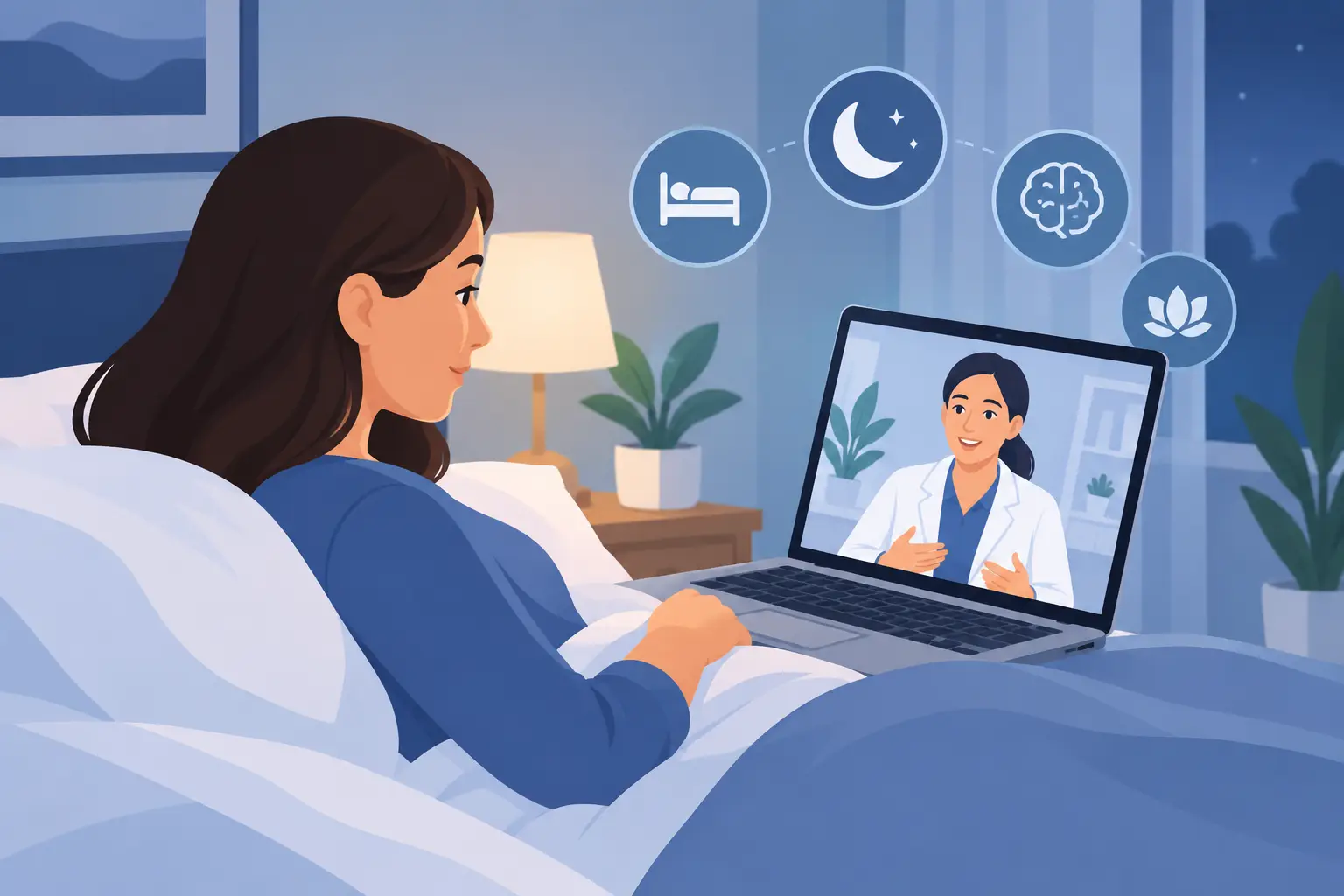
Waking with a dry mouth, hearing that you snore loudly, or fighting through afternoon exhaustion can feel like separate problems. They may be signs that your breathing is repeatedly disrupted during sleep. A virtual sleep consultation gives you a private, practical way to discuss those concerns with a qualified clinician without adding another trip to a medical office.
For many adults, getting answers is less about finding time for an appointment and more about knowing where to begin. Remote sleep care can help you understand whether home sleep apnea testing, treatment, or a CPAP prescription renewal is appropriate for your situation. The goal is straightforward: help you breathe better, sleep deeper, and move toward more energized days.
What Happens During a Virtual Sleep Consultation?
A virtual appointment is a clinical conversation conducted securely from home. You may meet by video or through another approved remote-care format, depending on the service and your needs. It is designed to make sleep-health care more accessible while still giving your clinician the information needed to make responsible recommendations.
The visit often begins with what sleep has actually been like for you. You may be asked about loud snoring, gasping or choking during the night, witnessed breathing pauses, frequent waking, morning headaches, dry mouth, restless sleep, or daytime sleepiness. Your clinician may also ask about your medical history, current medications, weight changes, heart or lung conditions, and whether you have used CPAP therapy before.
If you already have sleep apnea, the conversation can focus on what is getting in the way of consistent treatment. Maybe your mask leaks, your tubing needs replacement, your humidifier setting feels uncomfortable, or your prescription has expired. These details matter. Effective therapy should support a rejuvenating night’s sleep, not create another source of frustration.
A virtual consultation is not a one-size-fits-all shortcut. Your clinician may determine that a home sleep apnea test is a good next step, that existing records are needed, or that an in-person evaluation is more appropriate based on your symptoms and health history. That clinical judgment is an essential part of safe care.
When Remote Sleep Care May Be a Good Fit
Virtual care can be especially helpful for busy working adults, caregivers, frequent travelers, and established CPAP users who need ongoing support. It can also remove a common barrier for people who have put off discussing their sleep because office visits feel inconvenient, intimidating, or difficult to schedule.
You may benefit from a remote appointment if you suspect obstructive sleep apnea, have been told you snore or stop breathing at night, or are experiencing fatigue that is affecting work, driving, mood, or daily activities. It can also be useful when you need an updated CPAP prescription to continue purchasing a machine, mask, or other prescription-required equipment.
For current CPAP users, a consultation can help clarify the next practical step. A clinician can review your treatment history and determine whether a prescription renewal is appropriate. From there, you can focus on selecting compatible supplies, such as filters, cushions, headgear, tubing, or humidifier chambers, that help keep therapy comfortable and dependable.
Remote care has limits. Severe shortness of breath, chest pain, fainting, sudden confusion, or other urgent symptoms require immediate medical attention rather than a routine sleep appointment. Likewise, people with complex respiratory conditions may need in-person testing or specialized follow-up. Convenient care should never mean overlooking the level of care you need.
From Home Sleep Testing to Treatment
For many people with suspected obstructive sleep apnea, home sleep apnea testing may be the next step after a consultation. The test is typically completed in your own bed using a compact device that records breathing-related information during sleep. You avoid sleeping in an unfamiliar lab while still gathering data that can help guide the diagnostic process.
Home testing is not right for every sleep concern. It is generally intended to evaluate suspected obstructive sleep apnea, not every possible sleep disorder. If your symptoms suggest another condition or your medical history calls for more detailed monitoring, your clinician may recommend a different evaluation. That is not a setback. It is how care stays focused on getting a reliable answer.
When obstructive sleep apnea is diagnosed and CPAP therapy is recommended, the equipment decision becomes part of the care journey. Modern devices can offer features such as automatic pressure adjustment and heated humidification, helping make therapy feel more natural and comfortable. The right setup depends on your prescription, pressure needs, sleep position, facial comfort, and personal preferences.
A nasal mask may work well for one person, while another needs a full-face mask because they breathe through their mouth at night. Some people appreciate the minimal feel of nasal pillows. Others need the added stability of a traditional mask. There is no prize for choosing the smallest or most popular option. The best choice is the one you can wear consistently and comfortably.
How to Prepare for Your Appointment
A little preparation can make a virtual sleep consultation more productive. Choose a quiet, private place with dependable internet access and have your phone, tablet, or computer charged. If you share a bedroom, it may help to ask your partner what they have noticed about your sleep, including snoring, breathing pauses, or frequent movement.
Bring a current medication list and any relevant medical information. If you have had a previous sleep study, CPAP prescription, or therapy report, keep those details nearby. Current CPAP users should also note the machine model, mask style, and what feels uncomfortable or ineffective. Specific examples, such as waking with condensation in the mask or removing it after two hours, give your clinician useful context.
It can be helpful to write down your questions before the visit. Ask whether home testing is appropriate, what your results may mean, whether a prescription is required for the equipment you need, and how insurance coverage may apply. Clear answers help you make decisions with less guesswork.
Making CPAP Therapy Easier to Continue
Starting treatment is one milestone. Staying with it is where sleep therapy begins to change daily life. Consistent CPAP use can be difficult at first, particularly if you are adjusting to pressurized air, a new mask, or changes to your bedtime routine. Small comfort improvements often make a meaningful difference.
A well-fitted mask should feel secure without painful overtightening. Heated humidification may help reduce dryness for some users, while properly maintained filters and tubing support cleaner, more reliable operation. Replacement cushions, seals, and headgear are not merely accessories. Worn components can contribute to leaks, noise, and reduced comfort that make it harder to use treatment night after night.
This is where connected care can be especially useful. Pulmonary & Sleep Medicine Consultants helps eligible patients move from virtual care and home testing to prescription support, insurance verification, and access to CPAP machines and replacement supplies in one practical pathway. That can simplify a process that otherwise feels scattered across multiple offices and vendors.
Insurance may cover some testing, clinical services, or equipment, but coverage varies by plan and often includes documentation requirements. Verifying benefits before purchasing can help you understand potential out-of-pocket costs. If you are paying directly, price matching and clear product information can also help you compare options without sacrificing appropriate care.
Privacy, Prescriptions, and Peace of Mind
Sleep concerns are personal. A reputable virtual-care process should explain how your health information is handled and use appropriate privacy protections for remote appointments and medical records. You should also know what the service includes, what it costs, and whether a clinician can prescribe or renew therapy based on your individual evaluation.
CPAP machines are prescription medical devices. Be cautious of any seller that suggests a prescription is unnecessary or promises a specific treatment before a clinical review. Responsible care is not about rushing you into equipment. It is about matching the right next step to your symptoms, results, and treatment needs.
If poor sleep has become your normal, you do not have to wait for a perfect opening in your schedule to seek help. A private conversation from home can be the first practical step toward clearer answers, more comfortable therapy, and mornings that feel more like your own again.