
 Featured Machines
 Travel CPAPs
 Most Popular Masks
 Tubes and Hoses
 Humidifier Chambers
 Machine Filters
 Power Cords
 Headgear
 Nasal Pillows
 Cushions and Seals

CPAP Mask Fitting for Comfortable Sleep

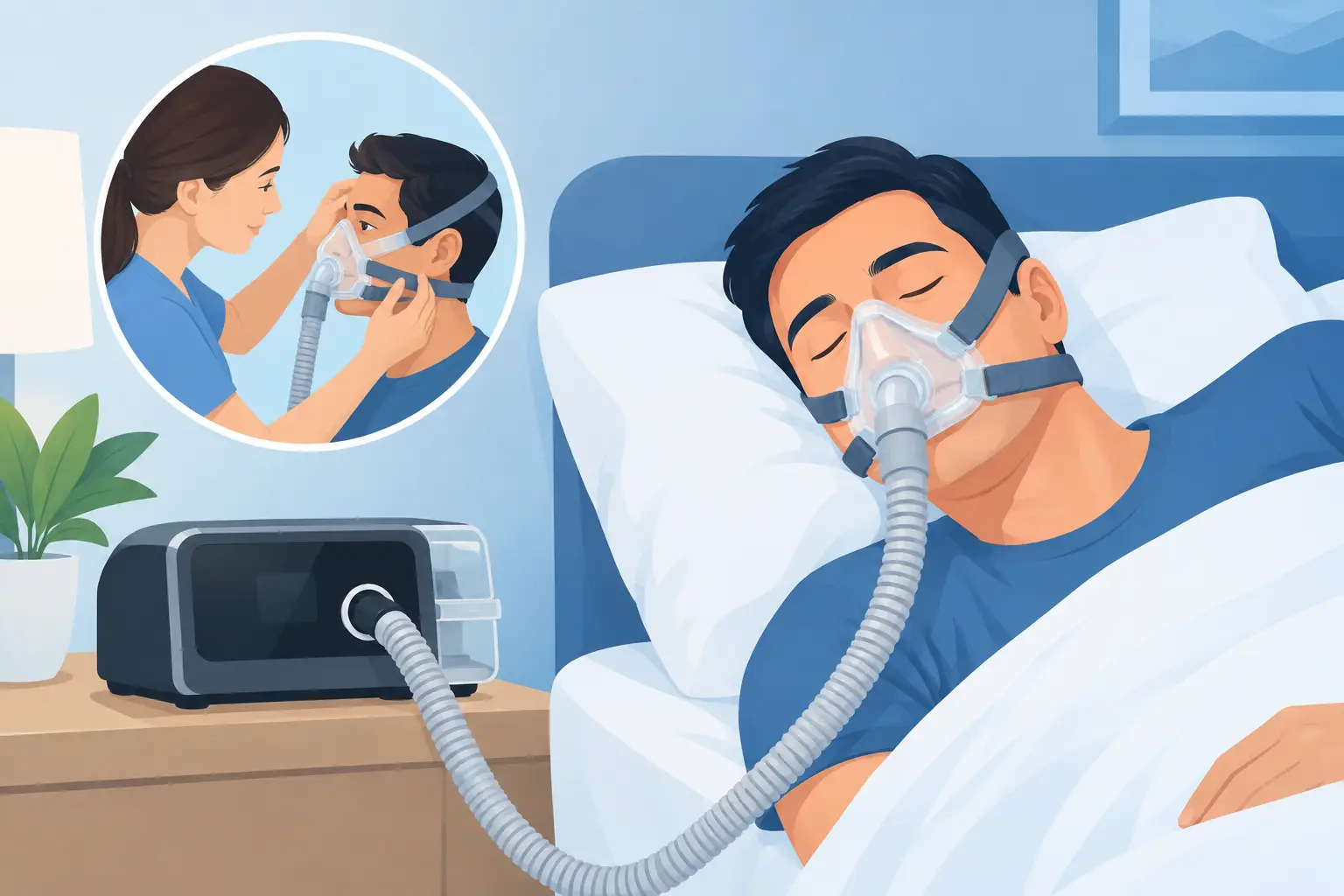
A CPAP mask should support your sleep, not become the reason you wake up frustrated at 2 a.m. Proper CPAP mask fitting creates the gentle, reliable seal your therapy needs while protecting the comfort that makes treatment easier to continue. If your mask leaks, leaves deep marks, feels claustrophobic, or keeps slipping, the answer is not always to pull the straps tighter.
Why CPAP Mask Fitting Changes Your Therapy Experience
Your CPAP machine is prescribed to keep your airway open with a consistent flow of air. The mask is the connection between that therapy and your breathing. When the seal is stable, air reaches you as intended. When it is not, leaks can create noise, dry your mouth or eyes, disturb your bed partner, and make therapy feel less effective.
Comfort matters just as much. Sleep apnea treatment works best when you can use it consistently, night after night. A mask that pinches your nose, presses on a sensitive spot, or shifts every time you turn over can make even a high-quality machine hard to tolerate. The goal is not a perfectly motionless mask. It is a comfortable fit that stays sealed through normal sleep movement.
A good fit also depends on the right mask style. Your breathing habits, facial shape, sleep position, pressure settings, congestion, and personal comfort preferences all play a role. What works beautifully for one person may not be the best match for another.
Start With the Right CPAP Mask Style
Most CPAP masks fall into three main categories. Nasal pillow masks rest at the nostrils and are often a good option for people who want minimal facial coverage or wear glasses before bed. They can feel less bulky, though some people find direct airflow at the nostrils takes time to adjust to.
Nasal masks cover the nose and offer a balance of stability and open visibility. They are a popular choice for people who primarily breathe through their nose and want more surface contact than nasal pillows provide.
Full-face masks cover both the nose and mouth. They are often helpful for mouth breathers, people who experience frequent nasal congestion, or those who need a more secure option at higher prescribed pressures. Because they cover more of the face, they may require extra attention to sizing and headgear adjustment.
If you regularly wake with a very dry mouth while using a nasal mask, mouth breathing could be part of the problem. A chin strap may help some people, but it is not the right answer for everyone. Discuss ongoing dry mouth, discomfort, or frequent leak concerns with a qualified sleep professional before settling on a solution.
Size Before You Tighten
Mask cushions are designed to inflate slightly with therapy air and form a seal against the face. That means an overly tight mask can leak more, not less. Tight straps may flatten the cushion, create pressure points, and prevent it from adjusting naturally as you move.
Use the manufacturer’s sizing guide when available, especially for nasal pillows and full-face cushions. A cushion that is too small may press against the nostrils or sit too close to the eyes. One that is too large may extend into areas where facial movement makes leaks more likely. If you are between sizes or repeatedly adjusting the mask, trying a different cushion size can be more effective than changing your entire setup.
How to Fit Your Mask Before Bed
The best time to adjust a new or replacement mask is before you are exhausted. Set aside a few quiet minutes during the evening, ideally while sitting in your usual sleeping position or reclining in bed.
First, wash and dry your face. Facial oils, moisturizer, makeup, and beard products can affect the cushion’s grip. Then connect the mask and loosen the headgear enough that it rests gently against your face.
Turn on your CPAP machine and allow the airflow to begin. If your machine has a ramp setting, remember that leaks may not show up until pressure rises later in the night. If you can do so comfortably, check the fit at your usual therapy pressure or use the machine’s mask-fit feature if available.
Adjust the straps evenly, making small changes on both sides. The mask should feel secure but not compressed. Lie down and turn your head as you normally would when falling asleep. If air escapes, lift the cushion slightly away from your face for a moment and let it reseat before tightening anything. Often, a small repositioning solves a leak better than another pull on the straps.
For a full-face mask, make sure the lower edge sits below the lower lip and the upper portion is not crowding the eyes. For a nasal mask, center the cushion around the nose without forcing it upward. For nasal pillows, position the pillows so they rest comfortably at the nostril openings rather than pushing deeply inside them.
Solve Common Fit Problems Without Guesswork
A little troubleshooting can make a significant difference, but persistent problems deserve clinical guidance. Pay attention to the pattern of the issue rather than trying random adjustments every night.
- Leaks near the eyes: The mask may sit too high, the cushion may be worn, or the upper straps may be too loose or too tight. Reposition the mask lower on the face and adjust in small increments.
- Sore nostrils or nasal irritation: Check that nasal pillows are the correct size and not overtightened. Heated humidification and a properly fitted alternative mask style may improve comfort.
- Red marks or skin soreness: Loosen the headgear slightly and inspect the cushion for wear. Marks that fade soon after waking can be common, but painful, lasting, or broken skin needs attention.
- Mask shifts when you sleep on your side: Route the tubing above the headboard or use a hose-management approach that reduces tugging. A CPAP-friendly pillow can also create space for the mask.
- Dry mouth or frequent mouth leaks: Consider whether nasal congestion, mouth breathing, or an unsuitable mask type is contributing. Do not ignore this problem, since it can make therapy uncomfortable and disrupt sleep.
Beards and facial hair can also affect a seal, particularly with full-face masks. You do not necessarily need to shave, but keeping the area where the cushion rests neatly trimmed may reduce leaks. Mask liners can help some users with skin sensitivity or minor sealing challenges, although they can change the fit and should be used thoughtfully.
Replace Worn Parts Before They Undermine the Fit
A mask that fit well months ago can gradually become harder to seal. Cushions collect facial oils and lose their flexibility with regular use. Headgear stretches. Frames, clips, and elbow connections can wear down over time. These changes often happen slowly, so it is easy to assume your pressure or sleep position is suddenly the problem.
Clean the cushion as directed by its manufacturer, using mild soap and water rather than harsh cleaners or oils. Let it air-dry fully. Regular cleaning helps remove residue that can interfere with the seal, but it will not restore a cushion that has become stiff, discolored, cracked, or misshapen.
Keep track of when you replace cushions, headgear, filters, and tubing. Replacement timing varies by product and insurance plan, but timely supplies protect both comfort and therapy performance. If you need help understanding compatible replacement parts or checking coverage, support from a sleep-therapy provider can simplify the process.
When a Different Mask Is the Better Choice
Not every fitting problem can be fixed with adjustment. If you have tried the correct size, cleaned or replaced the cushion, and carefully adjusted the headgear, it may be time to consider another style. This is especially true if you consistently wake from leaks, feel pressure on the bridge of your nose, struggle with claustrophobia, or cannot maintain a seal in your preferred sleep position.
Do not change prescribed pressure settings on your own to manage a leaking mask. Pressure needs and mask performance should be evaluated separately. A sleep clinician can review your symptoms, therapy data, and equipment concerns to help determine whether your fit, mask type, humidification, or treatment settings need attention.
For newer users, a virtual sleep consultation can provide practical support without adding another office visit. For long-time CPAP users, a renewed prescription and a compatible replacement mask can be the reset that makes therapy feel comfortable again.
Your mask does not need to be perfect the first night. Give yourself room to make small, informed adjustments, and ask for help when discomfort continues. With a secure seal and a mask crafted around your real sleep habits, you can breathe better, sleep deeper, and wake up ready for the day ahead.