
 Featured Machines
 Travel CPAPs
 Most Popular Masks
 Tubes and Hoses
 Humidifier Chambers
 Machine Filters
 Power Cords
 Headgear
 Nasal Pillows
 Cushions and Seals

CPAP Cleaning Instructions for Better Sleep

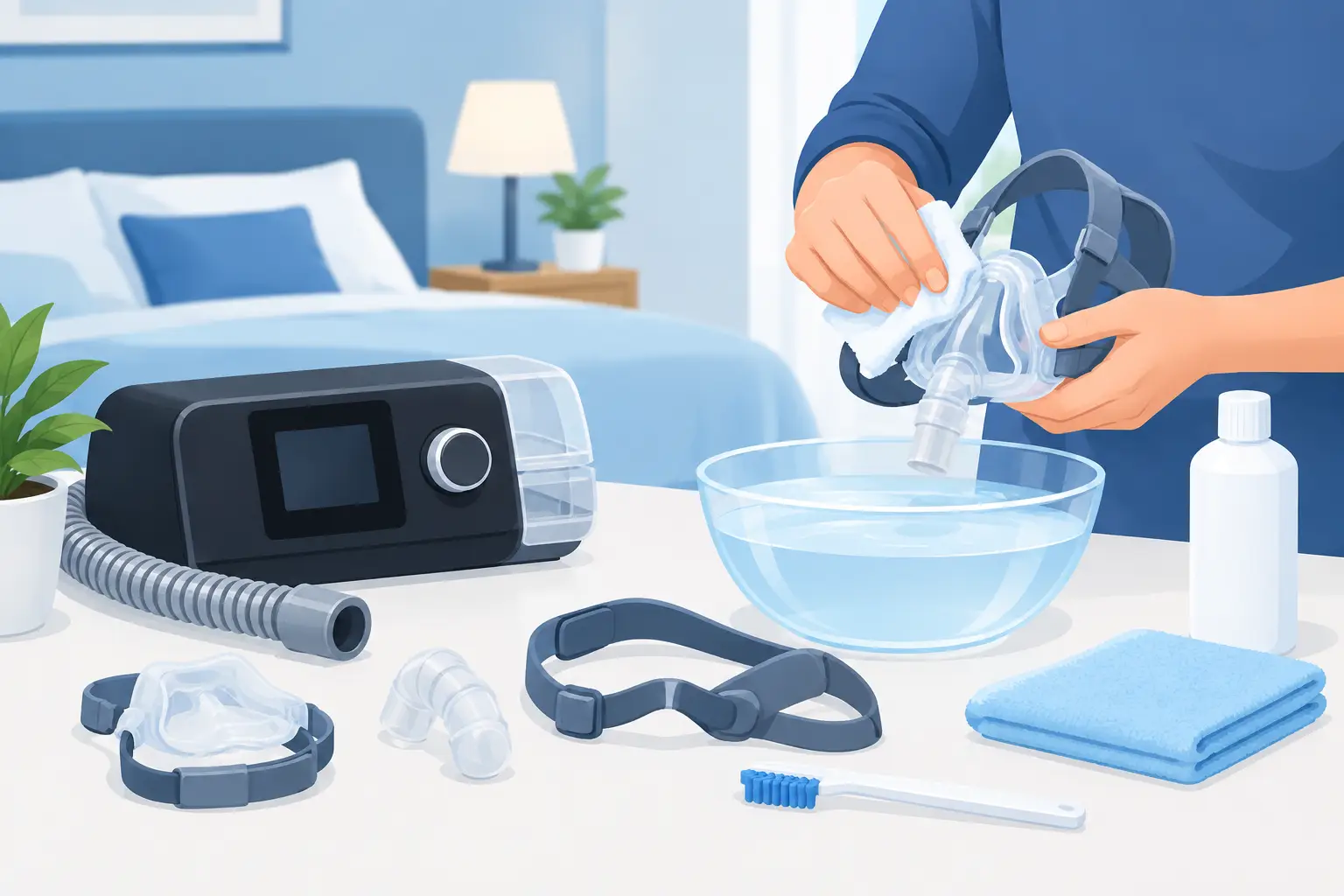
A clean CPAP setup can make a noticeable difference when you are trying to settle in for a rejuvenating night’s sleep. These CPAP cleaning instructions help you care for the parts that touch your face, carry your airflow, and hold water for humidification – without adding unnecessary steps or using products that may damage your equipment.
Cleaning is not about making your therapy routine complicated. It is a practical way to remove facial oils, moisture residue, and everyday dust so your mask can maintain a comfortable seal and your equipment is ready when you are. The exact schedule can vary by machine and mask manufacturer, so always keep your product manual nearby and follow any device-specific instructions.
CPAP Cleaning Instructions: What to Clean and When
Your mask cushion or nasal pillows need the most frequent attention because they sit against your skin. A quick daily wash helps remove oils that can cause slipping, leaks, or irritation. Emptying and rinsing the humidifier chamber each morning is also a smart habit, particularly if you use heated humidification.
Most other washable components can be cleaned weekly. That usually includes the mask frame, headgear, tubing, and humidifier chamber. If you have been sick, have visible buildup, or live in a particularly dusty environment, more frequent cleaning may be reasonable.
A simple routine looks like this:
- Every day: wash the mask cushion or nasal pillows, empty the humidifier chamber, and allow it to dry.
- Every week: wash the mask frame, headgear, tubing, and humidifier chamber.
- As needed: wipe down the outside of the CPAP machine and inspect parts for wear, discoloration, cracks, or persistent odors.
- On the manufacturer’s schedule: replace filters and other disposable supplies rather than trying to clean parts not designed to be washed.
Consistency matters more than perfection. If a nightly routine is hard to maintain, start with the mask cushion and humidifier chamber. Those two steps address the areas most likely to affect comfort and cleanliness right away.
Start With Clean Hands and a Clear Space
Before taking your CPAP equipment apart, wash and dry your hands. Choose a clean sink, basin, or container reserved for CPAP supplies whenever possible. This reduces the chance of transferring lotions, food residue, or household cleaners onto your mask and tubing.
Disconnect the mask and tubing from the machine. Remove the water chamber from the humidifier and separate the cushion or pillows from the mask frame if your mask design allows it. Taking the pieces apart lets water reach the areas where moisture and skin oils can collect.
Unplug the machine before wiping its exterior. Never submerge the CPAP device itself in water or allow liquid to enter the air outlet, power connection, or filter compartment.
Use Mild Soap and Warm Water
For washable parts, use warm water and a mild liquid soap that does not contain fragrance, moisturizers, bleach, alcohol, or harsh antibacterial agents. A gentle dish soap is often appropriate, but check your manufacturer’s recommendations first. Strong cleaners can break down silicone, leave residue, or irritate sensitive skin.
Wash the mask cushion, frame, and humidifier chamber gently with your hands. Avoid abrasive brushes or scouring pads. For tubing, fill or rinse the tube with warm, soapy water, then move the water through its length. Follow with a thorough rinse until no soap remains.
Headgear should be handled gently. It can usually be hand-washed in mild soap and warm water, but vigorous twisting or wringing may stretch the fabric and affect its fit. A headgear strap that no longer holds its adjustment can lead to mask leaks, even if the rest of the mask is clean.
Rinse Thoroughly and Air-Dry Completely
Soap residue can cause skin discomfort and may affect the feel of silicone cushions. Rinse every washable component with clean water until it no longer feels slippery. Pay close attention to small mask vents, elbow connections, and the inside of the tubing.
Place components on a clean towel and allow them to air-dry out of direct sunlight. Hang tubing so both ends are open and water can drain. Do not reconnect damp tubing or a damp humidifier chamber to the machine. Trapped moisture can create an unpleasant odor and may interfere with a comfortable therapy experience.
Avoid hair dryers, radiators, ovens, and other high-heat drying methods. Heat can warp plastic, weaken seals, or shorten the life of your supplies. If you need your equipment ready by bedtime, wash it early in the day to give every part enough time to dry naturally.
Caring for the Humidifier Chamber
The humidifier chamber deserves special attention because standing water can leave mineral deposits behind. Each morning, discard any remaining water, rinse the chamber, and let it dry. Refill it at night with distilled water, not tap water. Distilled water helps limit mineral buildup and makes routine cleaning easier.
Once a week, wash the chamber with warm water and mild soap, rinse well, and air-dry. If mineral film develops, follow the chamber manufacturer’s approved cleaning guidance. Do not use harsh descaling products unless the product instructions specifically permit them.
Check the chamber regularly for cloudiness, cracks, leaks, or a worn seal. A damaged chamber may not humidify properly and should be replaced. If you wake with dryness despite using humidification, inspect both the chamber and tubing connections before changing machine settings.
What Not to Use on CPAP Equipment
It can be tempting to use a fast cleaning device or a strong disinfectant when life is busy. However, not every cleaning method is appropriate for CPAP masks, tubing, or humidifier chambers. Ozone and ultraviolet cleaning products may not be recommended by your equipment manufacturer, and some methods can damage materials or leave concerns about residual exposure.
Skip bleach, hydrogen peroxide, alcohol, hand sanitizer, scented soaps, essential oils, and household disinfectant sprays unless your specific manufacturer explicitly approves them. These products can leave odors, irritate your airway or skin, and cause silicone or plastic parts to deteriorate sooner.
The safest approach for most routine home care remains surprisingly simple: mild soap, warm water, a thorough rinse, and complete air-drying. If you are unsure about a product, check the instructions that came with your machine or mask before using it.
Filters, Machine Care, and Replacement Supplies
Your CPAP machine’s air filter helps protect the device from household dust. The right care depends on the filter type. Many disposable filters should never be washed. Instead, inspect them regularly and replace them when they look discolored or according to your machine’s schedule. Some reusable filters may be rinsable, but only if the manufacturer states that clearly.
Wipe the outside of the machine with a soft, lightly damp cloth. Keep the device on a stable surface away from curtains, direct sunlight, smoke, pet hair, and areas where it could be splashed. Do not clean inside the machine housing or attempt to service internal components yourself.
Cleaning extends the useful life of supplies, but it does not make them last forever. Replace a cushion when it becomes stiff, tacky, discolored, torn, or difficult to seal. Replace tubing if it develops holes, cracks, stubborn odors, or excess condensation that does not resolve with proper drying. Filters, headgear, water chambers, and mask components also have recommended replacement intervals that can vary by brand, insurance plan, and daily use.
If a new leak or discomfort appears, do not assume you need to tighten the mask. Over-tightening can worsen pressure marks and distort the seal. First wash the cushion, inspect it for wear, confirm that the parts are fully dry and correctly assembled, and then adjust the fit.
Make Cleaning Easier to Keep It Consistent
The best schedule is the one you can follow. Keep mild soap, a clean towel, and a dedicated drying area near your bathroom or CPAP setup. Emptying the chamber and washing the cushion can become as routine as brushing your teeth, while a weekly wash handles the rest.
Travelers may need a modified routine. Pack a small bottle of approved mild soap, allow enough drying time between uses, and bring replacement filters or cushions for longer trips. If you cannot complete a full wash while traveling, focus on clean hands, an emptied humidifier chamber, and a clean cushion until you are home.
A well-maintained CPAP system supports more than equipment performance. It helps protect the comfort, confidence, and consistency that make therapy easier to use night after night. If you need compatible replacement masks, tubing, filters, or help with an updated prescription, Pulmonary & Sleep Medicine Consultants can help you keep your treatment routine focused on what matters most: breathing better and sleeping deeper.