
 Featured Machines
 Travel CPAPs
 Most Popular Masks
 Tubes and Hoses
 Humidifier Chambers
 Machine Filters
 Power Cords
 Headgear
 Nasal Pillows
 Cushions and Seals

Sleep Apnea Symptoms You Shouldn’t Ignore

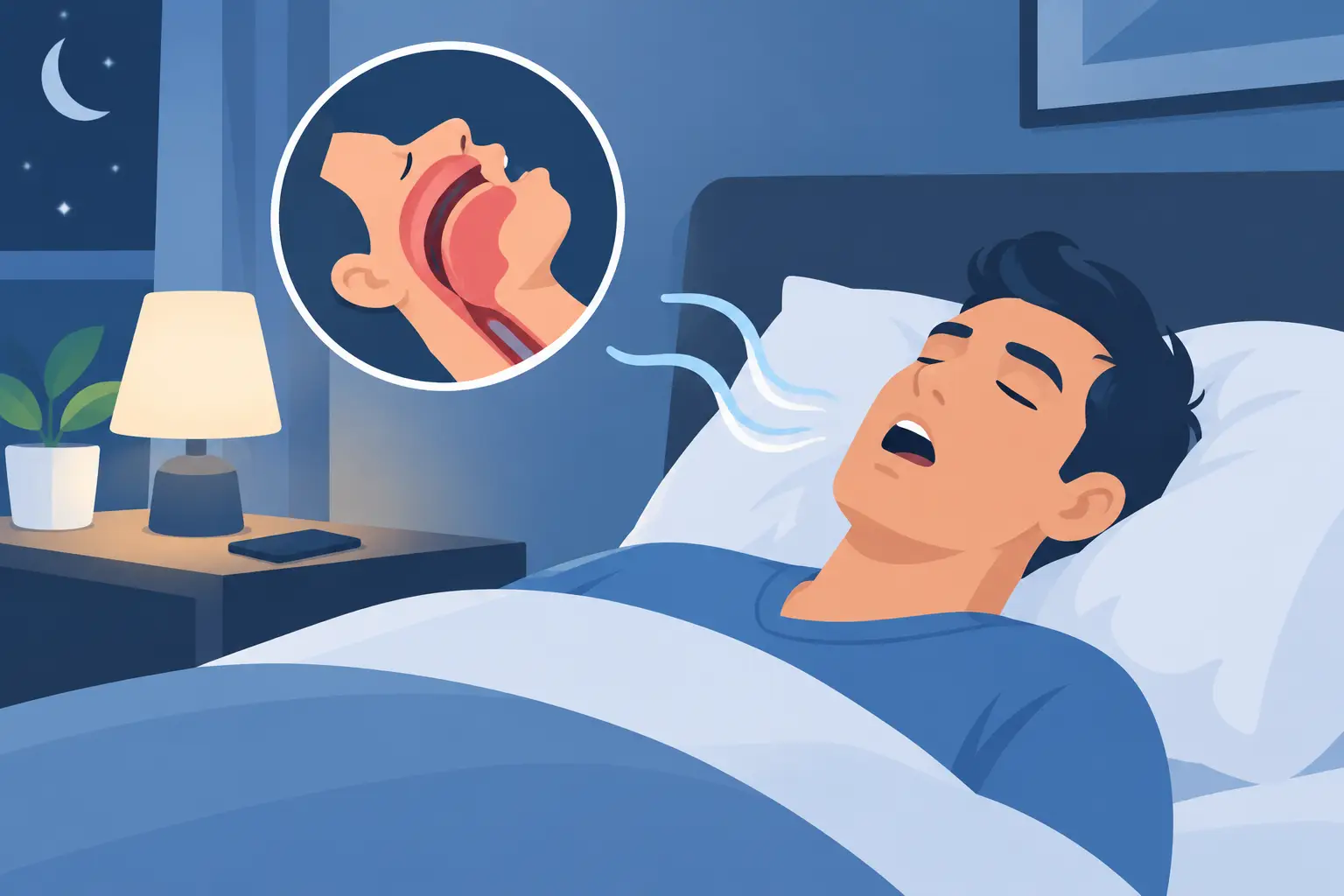
Waking up tired after a full night in bed is frustrating. Waking up tired most mornings, struggling to stay alert at work, or hearing that you snore loudly may point to more than an uncomfortable sleep habit. Sleep apnea symptoms often develop gradually, which makes them easy to dismiss until poor sleep begins affecting your energy, mood, focus, and overall health.
Obstructive sleep apnea happens when the upper airway repeatedly narrows or closes during sleep. Your body briefly wakes enough to restore breathing, often without you remembering it. Those interruptions can occur many times each night, preventing the deep, restorative rest you need to feel refreshed.
Common Sleep Apnea Symptoms at Night
Loud, frequent snoring is one of the most recognized signs of obstructive sleep apnea, but snoring alone does not confirm a diagnosis. Some people snore without having sleep apnea, while others with sleep apnea do not snore loudly enough for a partner to notice. The more concerning pattern is snoring that is interrupted by quiet pauses, choking, snorting, or gasping.
A bed partner may notice breathing pauses before the person experiencing them does. They might describe a cycle of loud snoring, silence, then a sudden gasp or snort as breathing resumes. These pauses deserve a clinical conversation, especially when they happen repeatedly.
Other nighttime signs can include restless sleep, frequent awakenings, waking with a dry mouth, nighttime sweating, or getting up often to use the bathroom. Some people wake suddenly feeling short of breath or with a racing heartbeat. Others simply feel like they slept lightly all night, even if they cannot identify why.
Sleep position can change what you notice. Airway obstruction is often worse when sleeping on the back, so symptoms may seem more obvious in that position. Alcohol, sedatives, nasal congestion, and significant fatigue can also make nighttime breathing disruptions more noticeable. These factors may aggravate an underlying problem, but they do not replace an evaluation.
Daytime Sleep Apnea Symptoms Can Be Just as Disruptive
The effects of interrupted breathing do not stay in the bedroom. Daytime fatigue is one of the most common reasons people seek help. This is not always the feeling of wanting to take a nap. It can look like relying on extra coffee, losing focus in meetings, feeling irritable over small things, or fading during a movie, a quiet conversation, or an afternoon drive.
Morning headaches, trouble concentrating, memory lapses, low motivation, and mood changes may also be connected to poor sleep quality. Some adults notice reduced interest in sex or difficulty maintaining exercise routines because they never feel fully recovered. Children can show sleep apnea differently, sometimes appearing hyperactive or having behavioral challenges rather than seeming sleepy.
Drowsy driving deserves special attention. If you find yourself fighting sleep behind the wheel, drifting between lanes, missing exits, or depending on loud music and open windows to stay awake, do not treat it as a normal part of a busy life. Pull over safely and arrange another way to travel if needed. Ongoing daytime sleepiness should be evaluated promptly.
Who Is More Likely to Have Obstructive Sleep Apnea?
Obstructive sleep apnea can affect adults of many body types and ages. It is more common with excess weight, but thin and athletic people can have it too. Anatomy matters: a naturally narrow airway, enlarged tonsils, a recessed jaw, or chronic nasal obstruction can all contribute.
Risk also increases with age, family history, smoking, regular alcohol use near bedtime, and certain health conditions. Men are diagnosed more often, but women can be underdiagnosed because their symptoms may be described as insomnia, fatigue, anxiety, headaches, or low energy instead of classic loud snoring. Hormonal changes after menopause can raise risk as well.
If you have high blood pressure, atrial fibrillation, type 2 diabetes, heart disease, or a history of stroke, it is especially worthwhile to discuss sleep apnea symptoms with a qualified clinician. Sleep quality and breathing are part of whole-body health, not separate concerns.
When Snoring Means It Is Time to Get Checked
You do not need to wait until symptoms feel severe. A home sleep apnea test may be a convenient next step when you have regular snoring plus observed breathing pauses, gasping, persistent tiredness, or high-risk health factors. Home testing allows many eligible adults to collect meaningful sleep-breathing data in the privacy and comfort of their own bed.
A clinician reviews the results and determines whether obstructive sleep apnea is present and what treatment may be appropriate. Home testing is not the right fit for every person. If you have significant heart or lung disease, a suspected non-obstructive sleep disorder, certain neurologic conditions, or an inconclusive home test, an in-lab sleep study may be recommended instead. The right testing pathway depends on your health history and symptoms.
Do not try to diagnose yourself based on a smartwatch, a phone recording, or a partner’s observations alone. These can provide useful clues, but they cannot confirm the type or severity of sleep-disordered breathing. A clinical evaluation helps ensure you receive care that matches your needs.
What Treatment Can Change
For many people with obstructive sleep apnea, positive airway pressure therapy is a highly effective treatment. CPAP therapy uses gentle, pressurized air to help keep the airway open while you sleep. Modern devices can offer automatic pressure adjustment, heated humidification, and comfort features designed to make therapy easier to use consistently.
Comfort matters because the best therapy is the one you can use night after night. A nasal mask may work well for someone who breathes mainly through the nose, while a full-face mask can be a better option for someone who breathes through their mouth or experiences frequent congestion. Mask fit, cushion size, headgear adjustment, humidity settings, and replacement supplies all affect the experience.
There can be an adjustment period. A new user may need time to get used to the airflow or find the right mask style. Small issues, such as air leaks or dryness, are usually solvable with the right equipment guidance and settings support. Do not assume CPAP is not for you after a difficult first week.
Pulmonary & Sleep Medicine Consultants can help eligible patients move from virtual consultation and home sleep apnea testing to prescription support and therapy equipment in one connected care experience. For established CPAP users with an expired prescription, an online renewal consultation may help simplify continued access to medically appropriate treatment and replacement supplies.
Seek Urgent Care for Serious Breathing Symptoms
Sleep apnea symptoms should be evaluated, but some breathing concerns require immediate medical attention rather than a routine sleep assessment. Seek urgent care or call emergency services for severe shortness of breath, chest pain, fainting, blue or gray lips, confusion, or breathing difficulty that does not improve. These signs can have causes beyond sleep apnea and should never be managed with an online sleep test alone.
If your symptoms are less urgent but persistent, write down what you notice for a week or two. Include bedtime, wake time, snoring or gasping reports from a partner, morning symptoms, naps, and moments of daytime sleepiness. That information can make a virtual consultation more productive and help your clinician select the right next step.
Better sleep is not a luxury reserved for weekends or vacations. If your nights leave you gasping, restless, or unrefreshed, a clear evaluation can bring you closer to easier breathing, steadier energy, and the rejuvenating night’s sleep your body has been asking for.