
 Featured Machines
 Travel CPAPs
 Most Popular Masks
 Tubes and Hoses
 Humidifier Chambers
 Machine Filters
 Power Cords
 Headgear
 Nasal Pillows
 Cushions and Seals

Are Home Sleep Tests Accurate for Sleep Apnea?

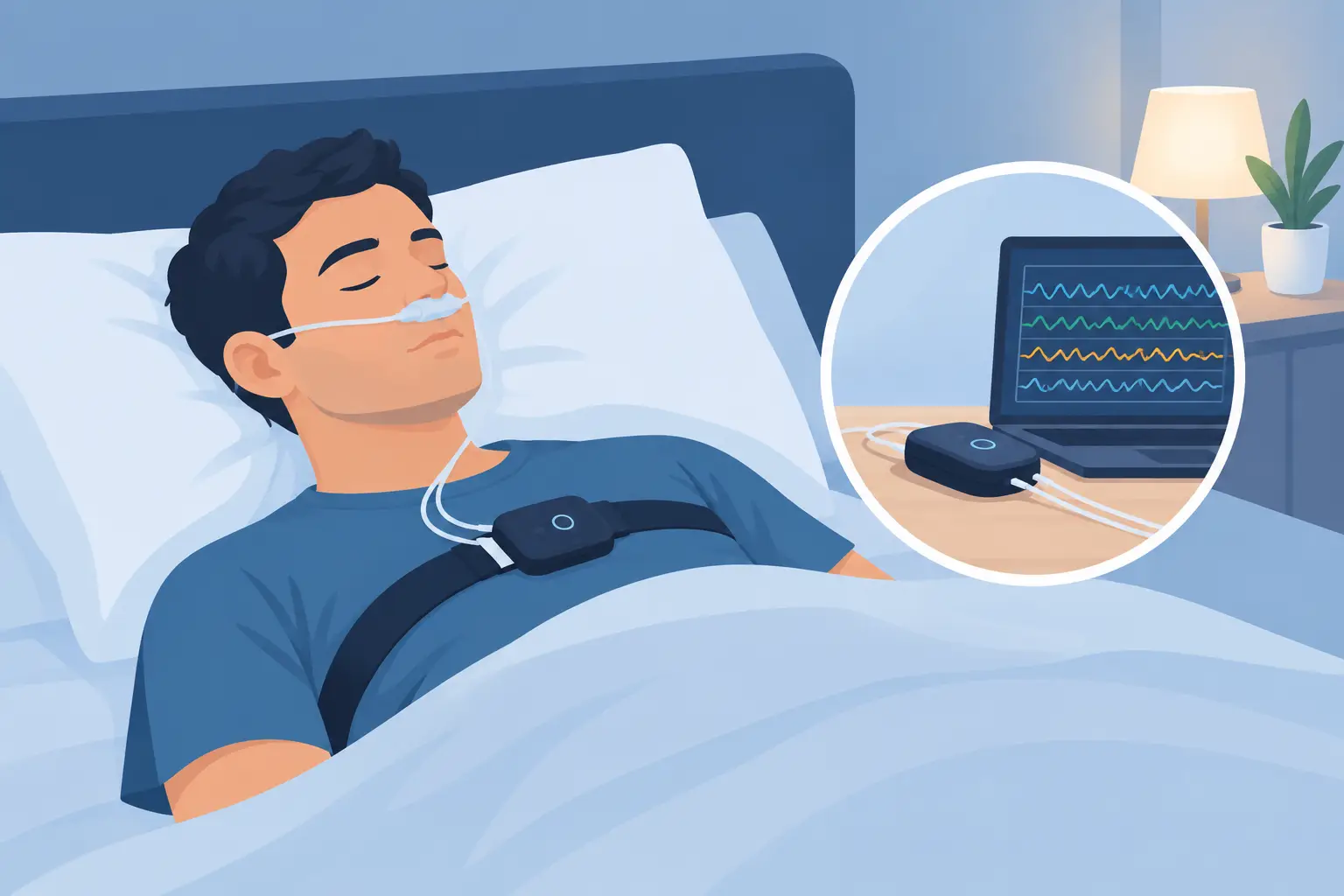
Waking up tired after a full night in bed, hearing that you snore loudly, or having a partner notice pauses in your breathing can make sleep apnea feel like a problem that needs answers now. So, are home sleep tests accurate? For many adults with a strong likelihood of obstructive sleep apnea, they can provide reliable, clinically useful results without the cost, travel, or unfamiliar setting of an overnight sleep lab.
The key is choosing the right test for the right person and having a qualified clinician interpret the results. A home sleep apnea test is not a shortcut around medical care. It is a focused diagnostic tool designed to identify breathing patterns that may be disrupting your rest and affecting your health.
What a home sleep test actually measures
Home sleep apnea tests are built to look for signs of obstructive sleep apnea, or OSA. OSA occurs when the airway repeatedly narrows or closes during sleep, reducing or stopping airflow. Your body briefly works to reopen the airway, often without you fully remembering the interruption the next morning.
Depending on the device, a home test may measure airflow through the nose, breathing effort, blood-oxygen levels, pulse rate, and snoring. These signals help a sleep clinician estimate how often breathing events occur during the night.
A home test usually does not measure brain waves, eye movement, or all stages of sleep the way a full in-lab polysomnogram does. That difference matters. Lab testing can show whether you were actually asleep during each recorded period, while a home test often uses total recording time as an estimate. As a result, a home test can occasionally underestimate the severity of sleep apnea.
Are home sleep tests accurate for suspected OSA?
For adults with symptoms that strongly suggest moderate to severe obstructive sleep apnea, home sleep tests are generally accurate enough to support diagnosis and treatment planning. They are especially useful when symptoms and risk factors tell a consistent story: loud habitual snoring, witnessed breathing pauses, gasping at night, excessive daytime sleepiness, high blood pressure, a larger neck circumference, or excess weight.
Accuracy is not just about the device. It also depends on proper setup, a full enough night of data, and professional review. A sensor that comes loose or a nasal cannula that shifts can lead to an incomplete study. That is why clear instructions and access to support matter when you test at home.
Home testing can be an excellent fit for busy adults who want a private, convenient path toward better sleep. You use the equipment in your own bed, follow the setup directions, and return or submit the test as instructed. For many people, sleeping in their familiar environment also feels more natural than trying to rest in a lab.
Still, no diagnostic test is perfect. A negative home sleep test does not always mean sleep apnea has been ruled out. If symptoms remain convincing despite a negative or unclear result, a clinician may recommend repeat testing or an in-lab study.
When an at-home test may not be the best choice
Home sleep apnea testing is designed primarily for uncomplicated suspected OSA. It may not provide enough information when another sleep or breathing condition is possible.
An in-lab study may be more appropriate for people with significant heart or lung disease, neuromuscular conditions that affect breathing, chronic opioid use, suspected central sleep apnea, or a history of stroke. It can also be the better option when severe insomnia makes it hard to get adequate test data, when unusual nighttime behaviors are present, or when a clinician suspects conditions such as narcolepsy, periodic limb movement disorder, or REM behavior disorder.
Central sleep apnea deserves special attention. With obstructive sleep apnea, the body continues trying to breathe but the airway is blocked. With central sleep apnea, the brain’s breathing signals are temporarily interrupted. These conditions require different clinical considerations, and a more comprehensive evaluation may be needed.
This is not a reason to assume home testing is less trustworthy. It is a reminder that the most accurate test is the one that matches your health history, symptoms, and clinical needs.
Why false negatives can happen
A home test can miss sleep apnea in some situations. Because many devices do not directly track sleep stages, they may count time spent awake as part of the recording. If you lie awake for long periods, the calculated number of breathing events per hour can appear lower than it would during actual sleep.
Sleep apnea can also vary from night to night. Alcohol, nasal congestion, sleeping on your back, medication changes, and simple differences in sleep position can influence breathing. Someone who has mostly positional apnea, for example, may show fewer events on a night spent primarily on their side.
Mild sleep apnea can be harder to detect than moderate or severe disease. A test may also be inconclusive if sensors shift overnight or if there is not enough usable recording time. None of these possibilities mean you should ignore your symptoms. Persistent fatigue, loud snoring, morning headaches, nighttime choking, and witnessed breathing pauses are all worth discussing with a sleep professional.
Getting a result you can trust
The night of your test does not need to be perfect, but it should reflect a typical night as closely as possible. Follow the device instructions carefully, place the sensors before getting into bed, and allow yourself enough time for sleep. Avoid changing your usual routine solely to influence the outcome.
If you normally use prescription medication, ask your clinician whether you should continue it as directed. Do not stop medication without medical guidance. It is also helpful to mention alcohol use, recent illness, nasal congestion, or major changes in your sleep schedule when your results are reviewed.
A quality care pathway has three parts: an appropriate clinical screening before the test, reliable test data, and a qualified interpretation afterward. The number on a report matters, but it should be considered alongside your symptoms, medical history, and goals for treatment.
What happens after a positive home sleep test
If your home test confirms obstructive sleep apnea, the next step is usually discussing treatment. For many people, positive airway pressure therapy is the most effective option. A CPAP or auto-adjusting CPAP machine gently delivers pressurized air to help keep the airway open while you sleep.
Modern therapy can be far more comfortable and flexible than people expect. Features such as automatic pressure adjustment, heated humidification, quiet operation, and a properly fitted mask can make a meaningful difference in how easily you adapt. The right mask matters, whether you breathe through your nose, prefer nasal pillows, or need a full-face design.
Treatment is also more than choosing a machine. You may need a prescription, help verifying insurance coverage, guidance on compatible supplies, and a simple way to replace filters, tubing, cushions, or headgear over time. Pulmonary & Sleep Medicine Consultants helps connect home-based testing, clinical prescription support, and access to the therapy equipment needed to breathe better and sleep deeper.
A negative result does not end the conversation
If your test is negative but you still feel exhausted, do not dismiss what your body is telling you. Bring your symptoms back to the clinician who ordered or reviewed the test. They may look at whether the study had adequate data, whether another sleep disorder could be involved, or whether an in-lab sleep study would give a clearer answer.
The same is true if you have a positive result but your symptoms seem more severe than the report suggests. Sleep care should be personal, not one-size-fits-all. A test result starts a conversation about your health; it should not replace one.
Common questions about home sleep testing
Can I buy a home sleep test without a doctor?
Some services offer a convenient online screening and telehealth consultation as part of the testing process. A licensed clinician should determine whether home testing is appropriate and review the results. This protects your health and helps ensure that any treatment recommendation is medically appropriate.
Can a home sleep test diagnose mild sleep apnea?
It can, but mild cases are more likely to be underestimated or missed than clear moderate to severe OSA. If you have ongoing symptoms after a negative test, further evaluation is reasonable.
Do I need to sleep perfectly during the test?
No. The goal is simply to capture enough useful information during a reasonably typical night. Follow the setup instructions, wear the sensors as directed, and let the clinical team know if anything unusual happened.
A home sleep test can be a practical first step toward a more rejuvenating night’s sleep, especially when it is paired with expert review and a clear treatment plan. If breathing interruptions are stealing your energy, focus, or peace of mind, getting an answer from home may be the most comfortable place to begin.