
 Featured Machines
 Travel CPAPs
 Most Popular Masks
 Tubes and Hoses
 Humidifier Chambers
 Machine Filters
 Power Cords
 Headgear
 Nasal Pillows
 Cushions and Seals

How to Choose a CPAP Machine for Travel

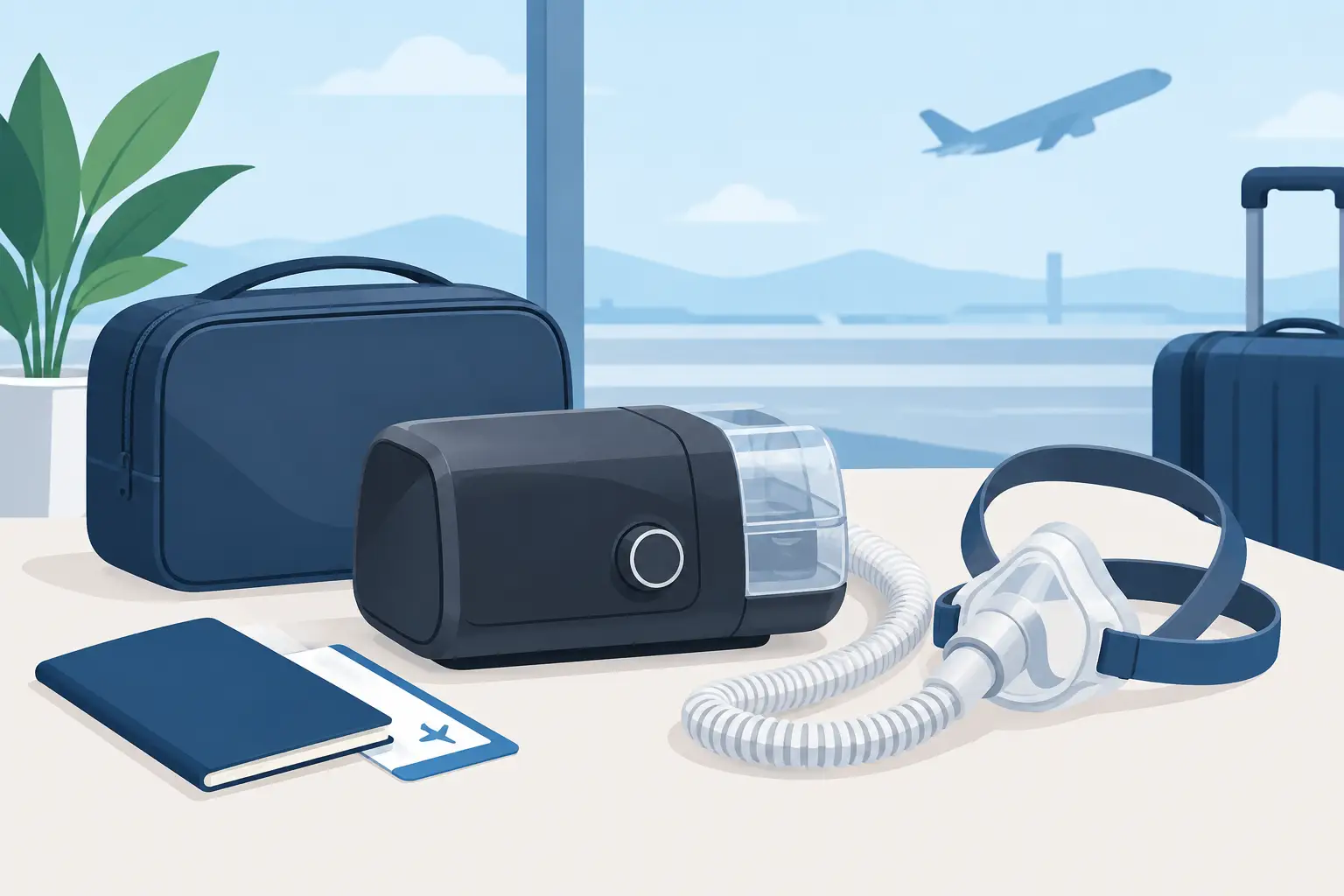
A CPAP machine for travel can make the difference between arriving rested and spending a business trip, family visit, or vacation fighting the familiar effects of poor sleep. If you use CPAP therapy every night, leaving treatment behind is rarely a comfortable trade-off. The right setup lets you protect your therapy routine while carrying less, planning more easily, and sleeping with confidence away from home.
Travel CPAPs are designed around portability, but smaller does not automatically mean better for every sleeper. Your pressure needs, mask preference, access to power, trip length, and comfort with reduced humidification all matter. A good choice is the one that helps you breathe better and sleep deeper wherever you go.
What Makes a CPAP Machine for Travel Different?
A travel CPAP machine is generally lighter, smaller, and easier to pack than a bedside device. It is built for use in hotel rooms, guest bedrooms, RVs, and other temporary sleep spaces where luggage room and power access may be limited. Many models use compact tubing, efficient motors, and optional battery solutions to reduce the amount of gear you need to carry.
That convenience comes with a few differences. A travel device may have a smaller waterless humidification option instead of a full heated humidifier chamber. Its display and controls may be simpler, and it can create a different sound profile than the machine you use at home. Some people adjust immediately; others prefer the familiar features of their standard device for longer trips.
For short, uncomplicated travel, portability may be your top priority. For an extended stay, a road trip with reliable space, or a situation where dry air bothers you, taking your regular CPAP may be the more comfortable choice. There is no one-size-fits-all answer.
Start With Your Therapy Requirements
Before comparing sizes and weights, confirm that the device supports the therapy prescribed for you. Most people with obstructive sleep apnea use CPAP or auto-adjusting CPAP therapy, but some require bilevel therapy or have other respiratory needs that call for a different type of device. A compact CPAP should never be selected solely because it fits neatly in a carry-on.
If you currently use an auto-adjusting machine, ask whether the travel model offers an appropriate automatic pressure range and the comfort features you rely on. If exhalation relief, ramp settings, or detailed therapy data help you stay consistent, look for a device that supports those needs. A smaller machine should support your prescribed treatment, not ask you to compromise it.
A valid prescription is required to purchase a CPAP machine in the United States. If yours has expired or you need help confirming what equipment is appropriate, an online prescription renewal and clinical guidance can remove a common travel-planning obstacle. It is far better to handle this before the week of departure.
Keep Your Mask Familiar When Possible
Your mask is often the most personal part of your CPAP setup. Whether you use nasal pillows, a nasal mask, or a full-face mask, staying with a mask that already fits well can make travel nights much easier. Check whether your existing mask is compatible with the travel device and its tubing connection.
Bringing a new mask on a trip can work if you have tested it at home first. Introducing unfamiliar equipment in a different bed, climate, and time zone can make minor fit issues feel much bigger. Pack a replacement cushion or nasal pillows if your trip is long enough that wear or damage would disrupt therapy.
Consider Power Before You Pack
Power planning is one of the most practical parts of choosing a CPAP machine for travel. Most travel devices include an AC power supply that works with standard wall outlets, and many are designed for international voltage ranges. You may still need a plug adapter when traveling outside the United States. A plug adapter changes the outlet fit, while a voltage converter is a separate item. Review your device specifications before assuming you need either.
For camping, overnight flights, power outages, or remote destinations, consider an approved battery solution. Battery runtime depends on the machine, your pressure settings, altitude, leak level, and whether you use heated humidity. Heat uses substantial power, so waterless humidification or no humidification may extend battery life when conditions allow.
If you are flying, keep your CPAP equipment in your carry-on bag. Medical devices are generally handled separately from your usual carry-on allowance, but airline policies can vary. Contact the airline before travel, especially if you intend to use CPAP therapy during a flight or bring a lithium battery. Ask about battery size limits, advance notice requirements, and onboard power availability rather than relying on an outlet at your seat.
Humidification Is a Comfort Decision
Heated humidification can help many CPAP users manage dry mouth, nasal dryness, and congestion. Standard home machines often provide a heated chamber and heated tubing, which can be especially comforting in dry climates or air-conditioned rooms. Travel CPAPs commonly use heat-moisture exchange cartridges or waterless humidification instead.
Waterless options are convenient because they eliminate the need to carry distilled water and a humidifier chamber. They may be a good fit for a weekend getaway or a flight-heavy itinerary. However, they may not provide the same level of moisture as a heated humidifier. If you regularly wake with dryness or congestion without heated humidity, test a waterless system at home before relying on it during a trip.
You can also travel with your regular machine when humidity is non-negotiable. The extra space may be worth the comfort, especially for extended travel. Consistent therapy is easier when your setup feels familiar and supports a rejuvenating night’s sleep.
Pack for Reliability, Not Just Minimal Weight
A well-packed CPAP travel bag protects your equipment and gives you a backup plan for the small problems that can otherwise interrupt treatment. Place the machine in its protective case and keep the power supply, tubing, mask, and any required adapters together. Avoid checking your CPAP if possible, since lost luggage should not mean lost therapy.
For trips longer than a few nights, it helps to carry a few small replacement items. Consider packing:
- A spare mask cushion or nasal pillows
- An extra filter if your device uses one
- A backup power cord or approved battery when access to power is uncertain
- Cleaning wipes or mild soap for routine care
Do not overpack supplies you are unlikely to need, but do not leave yourself without the pieces most likely to wear, tear, or get misplaced. A small spare cushion takes little room and can save an entire trip.
Prepare for the Sleep Environment
Your device is only one part of sleeping well away from home. Place it on a stable surface where the air intake will not be blocked by bedding or curtains. Keep it away from the edge of a nightstand, where a tug on the hose could pull it down. If the outlet is far from the bed, use the manufacturer-approved power arrangement rather than an unreliable extension setup.
Hotel rooms can be dry, warm, noisy, or unfamiliar. Bring earplugs if outside noise affects you, and allow a few extra minutes before bed to assemble your equipment without rushing. If your mask tends to leak when you change sleeping positions, check the fit after settling into the bed instead of assuming it is ready from your usual setup at home.
Should You Buy a Travel CPAP or Take Your Home Machine?
A dedicated travel device is a strong option for frequent flyers, road warriors, campers, and anyone who wants to keep a lightweight therapy kit ready to go. It can also reduce the risk of forgetting a component when you pack at the last minute. Keeping your primary machine at home may offer peace of mind and preserve your familiar bedside setup.
Your home machine may be the better choice when you travel infrequently, require heated humidification, use specialized therapy settings, or simply sleep best with the device you know. Many people eventually use both: a full-featured machine at home and a compact unit for travel. The extra investment is not necessary for everyone, but it can make regular travel more comfortable and consistent.
A Few Questions to Ask Before Buying
Will my current mask work with this machine?
Often, yes, but compatibility depends on the device connection and tubing design. Confirm this before ordering, particularly if you use a full-face mask or a specialized setup.
Can I use a travel CPAP without water?
Many travel machines are designed to operate without a water chamber. Some offer waterless humidification cartridges for added comfort. Whether that feels comfortable enough depends on your personal dryness and congestion symptoms.
Does insurance cover a travel CPAP?
Coverage varies by plan and medical necessity criteria. A travel device may be treated differently from your primary CPAP machine. Insurance verification can clarify your options before you make a purchase decision.
A travel plan should support your health, not force you to choose between a lighter suitcase and effective sleep apnea treatment. Give yourself time to test your equipment before departure, keep essential supplies within reach, and choose the setup that lets you wake ready for the day ahead.