
 Featured Machines
 Travel CPAPs
 Most Popular Masks
 Tubes and Hoses
 Humidifier Chambers
 Machine Filters
 Power Cords
 Headgear
 Nasal Pillows
 Cushions and Seals

Best CPAP for Side Sleepers That Supports Comfort

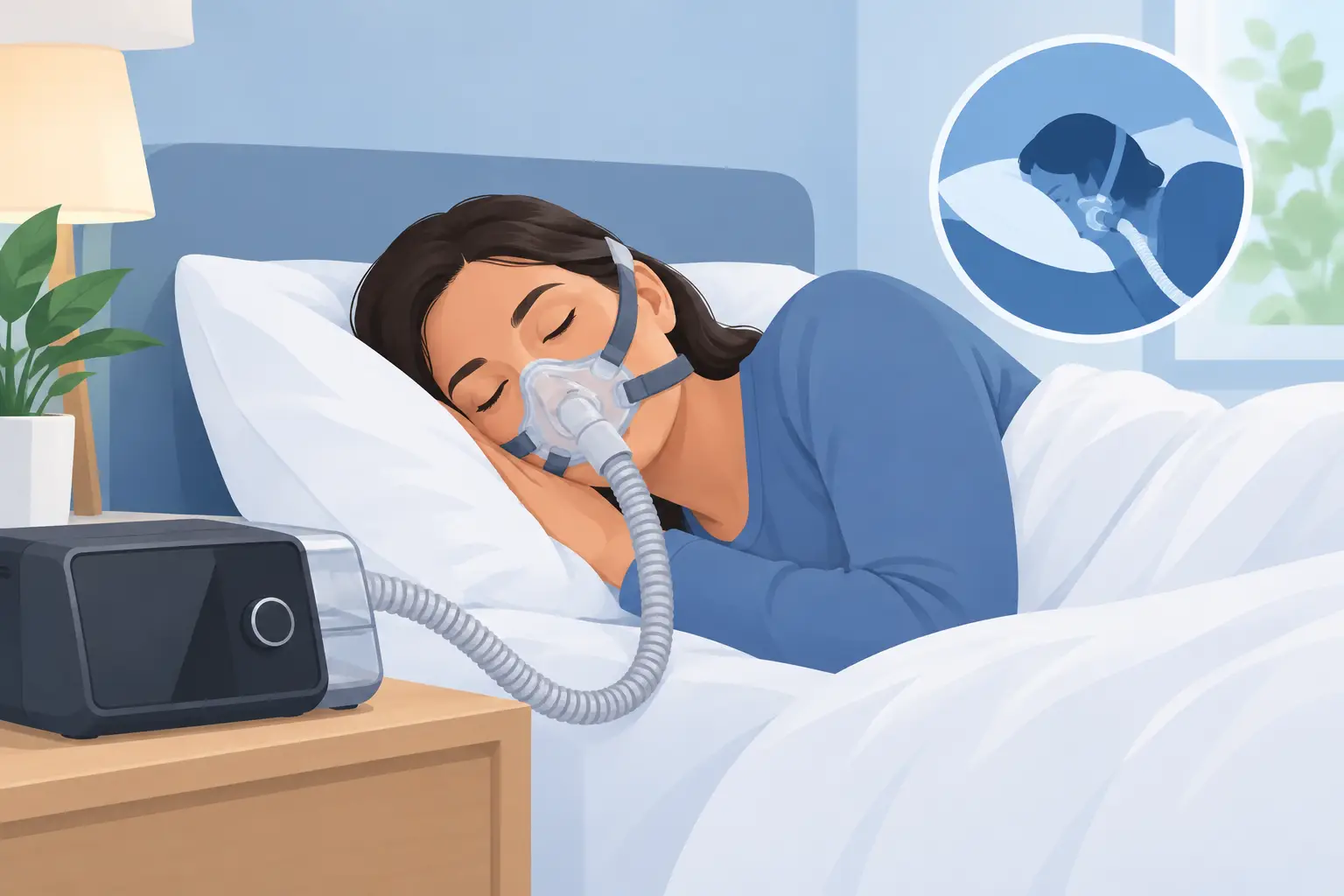
A pillow pressing against your mask should not be the reason you wake up tired. For many people, finding the best CPAP for side sleepers is less about choosing a completely different machine and more about creating a therapy setup that stays comfortable when you turn onto your side. The right combination of quiet pressure delivery, a secure low-profile mask, flexible tubing, and personalized settings can help you breathe better and sleep deeper.
The Best CPAP for Side Sleepers Starts With the Right Setup
A CPAP machine sits on the nightstand, so it is not usually the part that touches your pillow or causes a facial pressure point. Still, machine features affect how comfortable therapy feels throughout the night. Side sleepers often benefit from a compact, quiet device with automatic pressure adjustment, reliable humidification, and tubing that is easy to position.
The mask is usually the deciding factor. A mask that leaks when your cheek meets the pillow can disturb sleep, dry your mouth, and make therapy feel frustrating. A well-fitted mask, on the other hand, lets you change positions without losing your seal.
There is no single best choice for every sleeper. Your prescribed pressure, whether you breathe through your nose or mouth, facial shape, congestion, and personal comfort all matter. The goal is not to force yourself into one sleeping position. It is to build a treatment routine that supports the way you naturally sleep.
Choose a Quiet, Adaptive CPAP Machine
For side sleepers, a quiet machine can make a meaningful difference. When your ear is closer to the pillow, small sounds from airflow or mask leaks can feel much louder. Modern devices designed for home therapy are generally quiet, but a good mask seal remains essential because leaks often create more noise than the machine itself.
An auto-adjusting CPAP, such as a ResMed AirSense AutoSet when prescribed by your clinician, can adjust pressure within a set range in response to your breathing needs. This may be helpful for people whose pressure needs change with sleep stage, congestion, alcohol use, or body position. Some people require more pressure while sleeping on their back than on their side, so adaptive pressure can support a more comfortable night without manually changing settings.
Heated humidification is another feature worth considering. CPAP airflow can contribute to nasal dryness or congestion, especially in dry homes or colder seasons. A heated humidifier and heated tubing, when appropriate for your setup, can make breathing feel warmer and more comfortable. The best humidity setting is personal: too little may leave you dry, while too much can cause moisture buildup in the tubing or mask.
Best CPAP for Side Sleepers: Masks Matter Most
If you are shopping for a side-sleeping-friendly setup, begin with the mask category that best matches your breathing habits. A smaller profile usually gives your pillow more room and reduces the chance of the frame being pushed out of place.
Nasal Pillow Masks Offer the Lowest Profile
Nasal pillow masks rest at the entrance of the nostrils rather than covering the bridge of the nose. Their minimal design often makes them a strong option for active and side sleepers. With less material against the face, there is less mask to press into a pillow.
These masks can work particularly well for people who breathe comfortably through the nose and prefer a lighter feel. However, nasal pillows are not ideal for everyone. At higher prescribed pressures, some users feel more direct airflow at the nostrils. Nasal dryness, tenderness, or frequent congestion can also affect comfort. Proper pillow size and a gradual adjustment period can help.
Nasal Masks Balance Coverage and Comfort
A nasal mask covers the nose but is generally less bulky than a full-face mask. It can be a practical middle ground for side sleepers who want a stable seal without the feeling of nasal pillows. Look for a soft cushion, a flexible frame, and headgear that does not place rigid components directly where your face meets the pillow.
A nasal mask works best when you keep your mouth closed during sleep. If you regularly wake with a dry mouth, notice air escaping from your lips, or have nasal blockage, talk with your sleep clinician before deciding that a nasal-only option is the right fit.
Full-Face Masks Can Still Work for Side Sleepers
A full-face mask covers both the nose and mouth and may be medically appropriate for people who breathe through their mouth, have significant nasal congestion, or need a style that accommodates their breathing pattern. Although full-face masks have more surface area, side sleepers do not need to rule them out.
The key is choosing a modern, low-profile design with a cushion that flexes as you move. Avoid overtightening headgear to stop leaks. Straps that are too tight can create sore spots, worsen leaks by distorting the cushion, and leave marks on the skin. A mask should seal gently against the face, not feel clamped in place.
Position the Tubing Before You Fall Asleep
Tubing placement is an overlooked comfort detail. If the hose pulls from the side of the bed or gets caught under your arm, it can tug at the mask every time you move. For many side sleepers, routing tubing above the headboard or using a mask with a top-of-head connection keeps the hose out of the way.
Give yourself enough slack to turn naturally, but not so much that the tubing loops around your neck or falls off the bed. If you use heated tubing, check that it is connected securely and that your humidifier chamber is seated correctly before starting therapy.
A CPAP-friendly pillow may also help. These pillows have cutouts or contoured sides that create space for a mask, reducing pressure against the cushion. They are not required, and a supportive standard pillow works well for many people. If leaks happen only when your face presses into the pillow, though, a CPAP pillow can be a worthwhile comfort upgrade.
Adjust Comfort Settings With Clinical Guidance
The right equipment cannot make up for settings that are uncomfortable or no longer appropriate. If pressure feels overwhelming as you fall asleep, ask your clinician or equipment provider about ramp settings. Ramp begins therapy at a lower pressure and gradually increases to your prescribed level, which can make the transition to sleep easier.
Exhalation-relief features may also improve comfort for some users by reducing pressure slightly as you breathe out. These features are not necessary for everyone, and your prescribed settings should not be changed on your own. Persistent discomfort, snoring on therapy, continued daytime sleepiness, frequent awakenings, or a high leak reading deserve a conversation with a qualified sleep professional.
For some patients, standard CPAP or auto-adjusting CPAP is not the appropriate therapy. Bilevel devices, such as an AirCurve VAuto when clinically prescribed, deliver different pressures for inhaling and exhaling. That decision should be based on your medical needs, not simply on your preferred sleeping position.
Build a Side-Sleeping Routine That Prevents Leaks
A few small habits can make nightly therapy more dependable. Put the mask on while sitting upright, start the machine, and allow the cushion to inflate before lying down. Then turn to your preferred side and make small strap adjustments only if needed. This helps you fit the mask in the position where you will actually sleep.
Keep the mask cushion clean according to its care instructions. Facial oils, skin products, and residue can interfere with the seal. Replace cushions, headgear, filters, tubing, and humidifier chambers on schedule or whenever they show wear. A stretched headgear strap or softened cushion can turn a previously comfortable mask into a source of leaks.
If you wake up with a leak, resist the urge to tighten everything in the dark. Reposition the cushion first. Often, a small adjustment restores the seal more effectively than added tension.
Get Help Choosing Equipment That Matches Your Prescription
CPAP machines require a valid prescription, and the correct device and pressure settings should reflect your diagnosis and clinical needs. If your prescription has expired or you need guidance after a home sleep test, Pulmonary & Sleep Medicine Consultants can help connect virtual care, prescription support, insurance verification, and therapy equipment in one straightforward process.
When you are comparing machines and masks, bring practical questions to the conversation: Do you breathe through your mouth? Do you have frequent nasal congestion? Do you travel often? Does your current mask leak only on one side? These details help narrow the choices to equipment that supports your comfort and consistent treatment.
Side sleeping should feel like a comfort advantage, not a barrier to CPAP therapy. With a quiet prescribed machine, a mask that fits your breathing style, and a pillow setup that protects the seal, you can settle into treatment with greater confidence and wake up closer to the rejuvenating night’s sleep you deserve.