
 Featured Machines
 Travel CPAPs
 Most Popular Masks
 Tubes and Hoses
 Humidifier Chambers
 Machine Filters
 Power Cords
 Headgear
 Nasal Pillows
 Cushions and Seals

Are Nasal Pillows for CPAP Right for You?

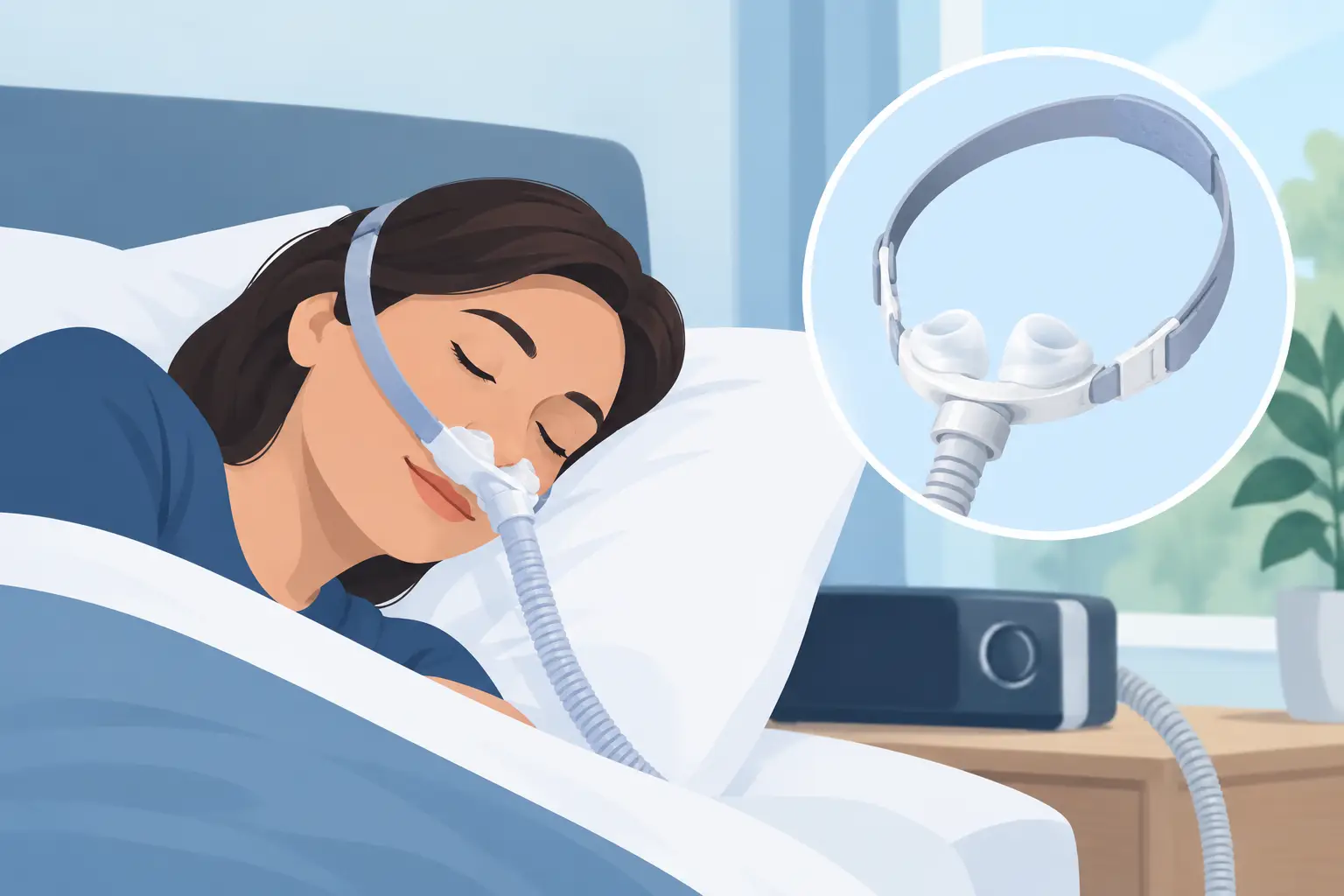
A CPAP mask should not be the reason you give up on treatment. If a bulky mask leaves marks on your face, feels confining, or gets in the way of reading before bed, nasal pillows for CPAP may offer a lighter, more open approach to therapy. For many people with sleep apnea, the right mask is the difference between struggling through the night and waking up ready for the day.
Nasal pillow masks use small, soft cushions that rest at the entrance of the nostrils. They deliver prescribed air directly through the nose without covering the bridge of the nose or the mouth. That smaller contact area can make therapy feel less intrusive, especially for people who prefer to sleep on their side, wear glasses, or simply want less mask on their face.
How nasal pillows for CPAP work
A nasal pillow mask connects to your CPAP machine through short tubing or standard tubing, depending on the model. When therapy begins, the pillows form a gentle seal around the nostrils so pressurized air can keep the upper airway open during sleep. The mask does not go inside your nose. It should sit comfortably against it, without pinching, stretching the nostrils, or requiring the headgear to be pulled tight.
Like other CPAP mask styles, nasal pillows can be paired with features that support a more comfortable night, including heated humidification and climate-controlled tubing. Humidification can be particularly helpful if you wake with a dry nose or throat. If you use an auto-adjusting CPAP device, such as a ResMed AirSense AutoSet, the machine can adjust pressure within the range prescribed by your clinician while your mask delivers that therapy.
The goal is not to choose the smallest mask at any cost. It is to choose a mask that delivers effective treatment reliably enough that you can use it night after night.
Why many sleepers prefer a nasal pillow mask
The main appeal is freedom. Because the frame is minimal, many users find nasal pillows less claustrophobic than a full-face mask or a traditional nasal mask. There is no cushion across the forehead, no coverage over the bridge of the nose, and usually less material to manage when turning over in bed.
They can also work well for active sleepers. A compact mask may be easier to reposition after rolling from one side to the other, and models with tubing that connects at the top of the head can keep the hose farther from your chest. People who wear glasses often appreciate being able to read, watch television, or use a phone without removing the mask.
Nasal pillows are also a practical option for travel. Their smaller profile takes up little space in a carry-on, and fewer mask components can make packing simpler. For frequent travelers who use a travel CPAP, a familiar pillow mask may help keep therapy consistent away from home.
Less coverage does not automatically mean less effective therapy. A well-fitted nasal pillow mask can provide a dependable seal at a wide range of prescribed pressures. The key is correct cushion sizing, thoughtful adjustment, and addressing leaks early rather than tightening the headgear until it feels uncomfortable.
When nasal pillows may not be the best fit
Nasal pillows are not the right choice for everyone, and that is perfectly normal. If you regularly breathe through your mouth while asleep, air may escape through your mouth and reduce the effectiveness of nasal therapy. Some people benefit from addressing nasal congestion, adjusting humidification, or using a chin strap under clinical guidance. Others are more comfortable with a full-face mask that covers both the nose and mouth.
Higher pressures can also feel more noticeable at the nostrils for some users. Plenty of people use nasal pillows successfully at higher settings, but others prefer the way a nasal cushion or full-face cushion distributes airflow across a larger area. If you feel uncomfortable bursts of air, persistent soreness, or a seal that repeatedly breaks, a different mask style or cushion size may be a better answer than trying to force an uncomfortable fit.
Temporary nasal congestion from allergies, a cold, or sinus irritation can make any nose-only mask harder to use. Heated humidification and regular equipment cleaning may help with dryness and irritation, but ongoing congestion deserves a conversation with your healthcare provider. Do not change prescribed pressure settings on your own to compensate for a mask problem.
Finding the right size and seal
A nasal pillow should feel secure, not squeezed. Most masks include more than one pillow size because nostril shape and spacing vary. The right size creates a light seal around each nostril. A cushion that is too small may whistle, leak, or feel as though it is being pulled into the nostrils. One that is too large may sit awkwardly, cause leaks, or create pressure along the nose.
Start by fitting the mask while sitting up with your CPAP running at a comfortable therapy pressure. Place the pillows gently against your nostrils, then adjust the headgear in small increments. Lie down in your usual sleep position and check again. Your facial muscles and pillow position change when you are ready to sleep, so a seal that seems fine while sitting may need a small adjustment once you are reclined.
If you hear a light leak, resist the urge to immediately overtighten the straps. First, lift the pillows away from your face briefly and let them settle back into place. This can help the cushion inflate and reseal. Then make only a minor adjustment if needed. Over-tightening can flatten the silicone, increase leaks, and leave your nose sore in the morning.
A few practical habits can improve the fit:
- Wash your face before bed to remove skin oils that can interfere with the seal.
- Keep the pillow cushions clean according to the manufacturer instructions.
- Route tubing so it is not pulling on the mask when you turn in bed.
- Replace worn cushions, stretched headgear, and damaged tubing before they begin disrupting therapy.
Comfort concerns worth solving early
Mild adjustment is common when starting a new mask, but ongoing pain is not something you need to accept. Nasal tenderness, red marks, dry nasal passages, leaks into the eyes, and frequent awakenings are all useful signals. They often point to a sizing issue, worn cushion, poor strap tension, or a mask design that does not match your sleeping style.
Dryness is one of the most common concerns with nasal pillows. If your nose feels dry or irritated in the morning, check that your humidifier chamber has water and consider whether your humidity setting needs adjustment. A heated tube may help reduce condensation while allowing for more comfortable moisture levels. Use only distilled water in the humidifier chamber when recommended by your machine manufacturer.
If you feel anxious wearing a mask, practice while awake. Put on the nasal pillows while sitting comfortably, turn on the device, and breathe normally for several minutes. This low-pressure practice can help your body become familiar with the airflow before bedtime. Gradual, consistent use is generally more helpful than waiting for a perfect first night.
Replacement supplies protect your therapy
CPAP supplies do not last forever. Silicone nasal pillows gradually lose their softness and ability to seal, while headgear can stretch with regular use. A mask that once worked well can become noisy, leaky, or uncomfortable simply because its components are worn.
Replacement timing depends on your mask, insurance plan, use patterns, and manufacturer guidance. Many users replace nasal pillows more often than the frame because the cushions have direct contact with skin and carry the greatest sealing workload. Keeping a spare cushion on hand can prevent a worn part from interrupting treatment while you wait for a replacement.
Before ordering, confirm compatibility with your exact mask model. Similar-looking cushions are not always interchangeable. If you are unsure which part you need, checking the name printed on your mask frame or reviewing your prior supply order can help avoid purchasing the wrong item. Insurance coverage may be available for eligible replacement supplies, and verifying benefits before ordering can make ongoing therapy more affordable.
A mask choice that supports better sleep
The best CPAP mask is the one you can wear comfortably and consistently while receiving the therapy your clinician prescribed. Nasal pillows are an excellent option for many people who want minimal facial coverage, easy movement, and a less confining bedtime routine. They are not a compromise when they fit well. They are a purpose-built choice for effective nasal CPAP therapy.
If your current mask is making treatment harder than it needs to be, do not assume CPAP itself is the problem. A different cushion size, a fresh replacement pillow, improved humidity, or another mask style can change the experience. With the right support and equipment crafted with your comfort in mind, each night of therapy can bring you closer to breathing better, sleeping deeper, and feeling more rejuvenated in the morning.