
 Featured Machines
 Travel CPAPs
 Most Popular Masks
 Tubes and Hoses
 Humidifier Chambers
 Machine Filters
 Power Cords
 Headgear
 Nasal Pillows
 Cushions and Seals

Does Insurance Cover CPAP? What to Expect

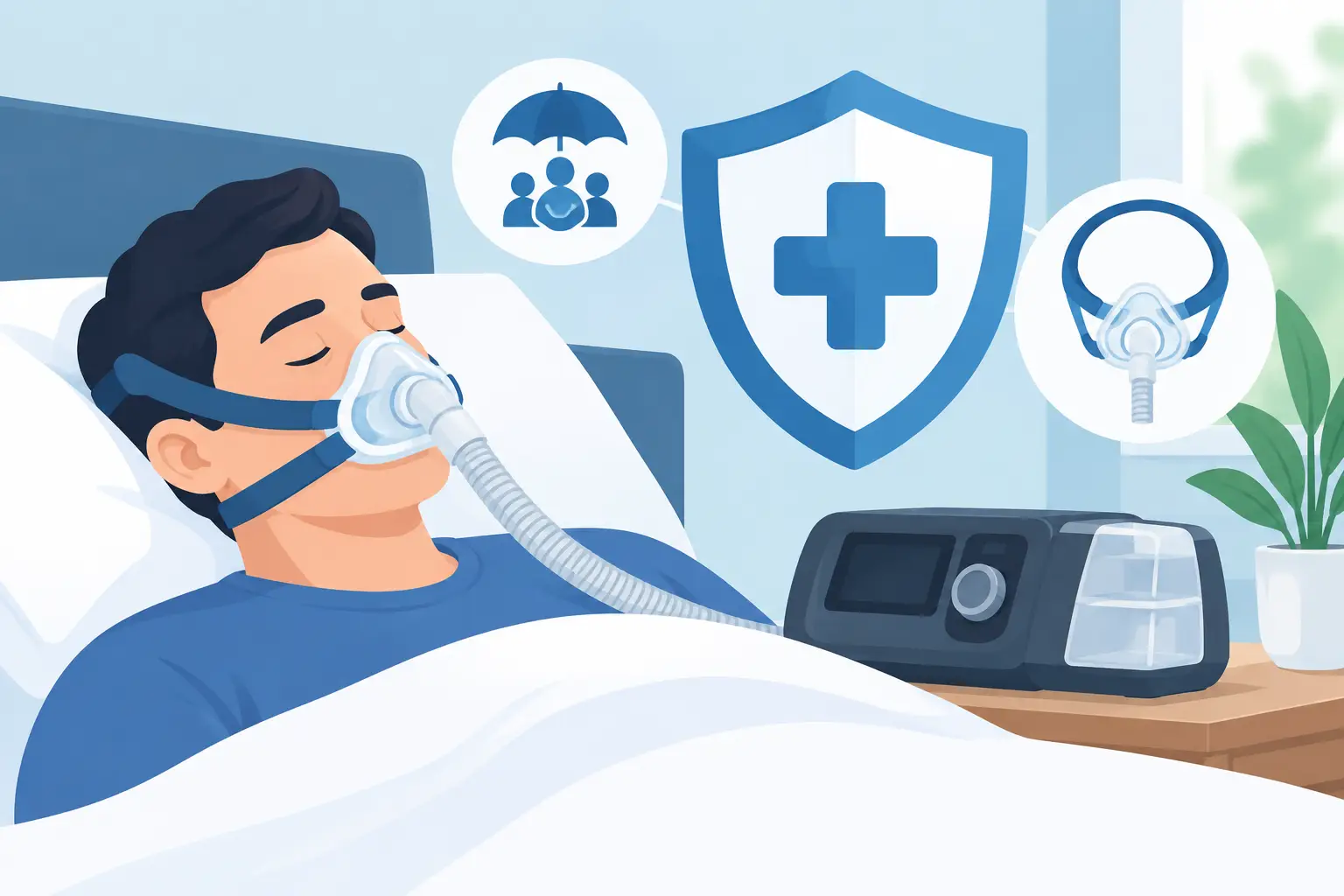
A CPAP machine can make the difference between waking up exhausted and getting the rejuvenating night’s sleep your body has been missing. But before choosing a machine or mask, many patients ask: does insurance cover CPAP? In many cases, yes. Coverage is common, but the amount your plan pays, the equipment it approves, and the steps required before purchase can vary significantly.
The most useful answer is not simply “yes” or “no.” It is knowing what your individual plan requires so you can move into treatment with fewer surprises, more comfort, and a clearer view of your costs.
Does Insurance Cover CPAP Treatment?
Most U.S. health insurance plans, including many employer-sponsored plans, Marketplace plans, Medicare plans, and Medicaid programs, may cover CPAP therapy when it is medically necessary. Obstructive sleep apnea is a recognized medical condition, and continuous positive airway pressure therapy is a standard treatment.
Still, coverage usually begins with documentation. Your insurer may ask for a sleep study showing sleep apnea, a prescription from a qualified clinician, and records supporting the need for CPAP therapy. A home sleep apnea test can often provide the diagnostic information needed for many adults, although some situations call for an in-lab sleep study instead.
Insurance coverage is often handled through the durable medical equipment, or DME, portion of your plan. That category can include the CPAP or BiPAP device, mask, tubing, humidifier chamber, filters, cushions, headgear, and other supplies needed to keep therapy comfortable and effective.
What Your Plan May Cover
A typical plan may help pay for the machine itself and the ongoing supplies that wear out over time. Coverage does not always mean the insurer pays 100 percent. You may still be responsible for a deductible, copay, coinsurance, or the difference between the allowed amount and a supplier’s price.
Many insurers treat a CPAP machine as a rental first. Rather than paying for the full device upfront, the plan may make monthly rental payments for a set period. If you meet the plan’s usage rules and continue therapy, ownership may transfer to you after the rental term. Medicare often follows this rental-to-ownership approach, though details can differ based on your coverage and supplier.
Replacement supplies are commonly covered on a schedule. For example, a plan may allow new cushions or nasal pillows more frequently than a new mask frame, heated tubing, or humidifier chamber. These schedules are designed around normal wear, but they can feel restrictive if you need a replacement sooner because of damage, loss, or a changing fit.
A plan may cover:
- A medically appropriate CPAP, APAP, or, when clinically justified, BiPAP machine
- A mask system, including nasal, nasal pillow, or full-face options
- Tubing, filters, humidifier chambers, cushions, seals, and headgear
- Replacement supplies at intervals set by the insurer
The exact equipment covered depends on your diagnosis, prescription, benefit design, and whether you use an in-network supplier.
The Requirements That Affect CPAP Coverage
Insurance decisions are generally based on medical necessity, not on whether a specific machine is your personal first choice. An automatic CPAP, or APAP, may be prescribed because it adjusts pressure within a set range as your breathing needs change through the night. A bilevel device may be appropriate for more complex breathing needs or for people who have difficulty tolerating standard CPAP pressure. Your clinician’s prescription should match the therapy your condition requires.
Your insurer may also require prior authorization. This is a review that happens before the equipment is provided. It is not always required, but when it is, ordering before authorization is confirmed can leave you with an unexpected bill.
Another common requirement is proof that you are using the machine. Many modern devices can record therapy data, including the hours used and how consistently you wear the mask. Some plans require evidence of regular use during the first few months before they continue rental payments or approve ongoing coverage. A common benchmark is using the device at least four hours per night on 70 percent of nights, though your plan may use different rules.
This can sound like pressure when you are still getting used to therapy. Think of it as a reason to address comfort early. A mask that leaks, dry air, congestion, or a pressure setting that feels difficult should not be ignored. The right mask style, heated humidification, and timely clinical guidance can make it much easier to stay with treatment.
Why Network Status Matters
One of the biggest cost differences comes down to where you get your equipment. In-network DME suppliers have negotiated rates with your insurer. Using one may lower your out-of-pocket cost and make billing more straightforward.
An out-of-network purchase may still be covered, but your plan could reimburse less, require you to pay upfront, or decline coverage entirely. Some insurers also require that you obtain the machine from a contracted supplier, even if another retailer offers the exact device you prefer.
That does not mean an insurance purchase is always the best fit for every patient. If you have a high deductible, limited in-network options, or a plan with a lengthy rental process, purchasing a machine directly may be worth comparing. Direct purchase can give you more choice in equipment and may be simpler for travelers or patients who need therapy quickly. However, you should first confirm whether a self-purchased machine is eligible for reimbursement and whether it affects your in-network benefit.
How to Verify Insurance Coverage Before You Buy
The clearest path is to verify your benefits before ordering equipment. Have your insurance card available, along with your diagnosis if you have one, and ask your insurer or equipment provider to check the details specific to your plan.
Ask whether CPAP equipment is covered under your medical or DME benefit, whether prior authorization is needed, and whether your deductible applies. Confirm the percentage your plan pays after the deductible and whether there is a separate copay or coinsurance. It also helps to ask whether the machine is rented or purchased and how long the rental period lasts.
You should also confirm which suppliers are in network, whether a particular device requires additional approval, and what documentation is needed. Keep copies of your prescription, sleep study results, authorization number if applicable, and any coverage estimate you receive. These details can be especially helpful if a claim is delayed or denied.
Pulmonary & Sleep Medicine Consultants can help patients navigate insurance-coverage verification while bringing home testing, virtual clinical support, prescription renewal, and sleep therapy equipment into one more convenient care path.
What If You Need a New Prescription?
A valid prescription is required to purchase a CPAP machine in the United States, whether you use insurance or pay directly. Many prescriptions remain valid for a period of time, but insurers and suppliers may have their own documentation policies. If your prescription has expired, your health has changed, or you have not had a recent sleep evaluation, you may need an updated clinical review.
An online prescription renewal can be a practical option for established CPAP users who need to continue therapy without arranging repeated in-office visits. If you suspect sleep apnea but have never been tested, a home sleep apnea test and virtual consultation may help you take the first step privately and conveniently.
Do not assume an old prescription will automatically cover every equipment change. Moving from CPAP to BiPAP, for example, usually requires a new clinical evaluation and prescription because the therapy is different.
Plan for the Ongoing Cost of Supplies
Your machine is only one part of successful treatment. Cushions lose their seal, filters collect dust, and headgear gradually stretches. Replacing worn components can improve comfort, reduce leaks, and help your machine deliver therapy as prescribed.
Insurance supply schedules can be useful, but they are not a substitute for paying attention to your equipment. If you wake with dry mouth, notice air escaping around the mask, see visible wear, or find that your therapy suddenly feels less comfortable, it may be time to inspect the parts you use every night.
If your plan does not cover a replacement yet, compare your out-of-pocket options rather than delaying necessary supplies for months. A small replacement part can be far less costly than losing consistent treatment because your mask no longer fits well.
If Your CPAP Claim Is Denied
A denial does not always mean CPAP therapy is unavailable. Sometimes the issue is administrative: an expired prescription, missing sleep study report, lack of prior authorization, incorrect billing code, or use of an out-of-network supplier. Ask for the reason in writing and review the explanation of benefits carefully.
You may be able to submit missing documentation, request a corrected claim, or appeal the decision with support from your prescribing clinician. If coverage remains unavailable or the out-of-pocket expense is too high, ask about direct-purchase pricing, price matching, and equipment options that meet your prescription without adding features you do not need.
The goal is not merely to get a machine approved. It is to find a sustainable path to therapy you can use night after night. With your benefits verified, a current prescription, and equipment crafted with your comfort in mind, better breathing and deeper sleep can feel much closer.