
 Featured Machines
 Travel CPAPs
 Most Popular Masks
 Tubes and Hoses
 Humidifier Chambers
 Machine Filters
 Power Cords
 Headgear
 Nasal Pillows
 Cushions and Seals

CPAP Prescription Renewal From Home Made Simple

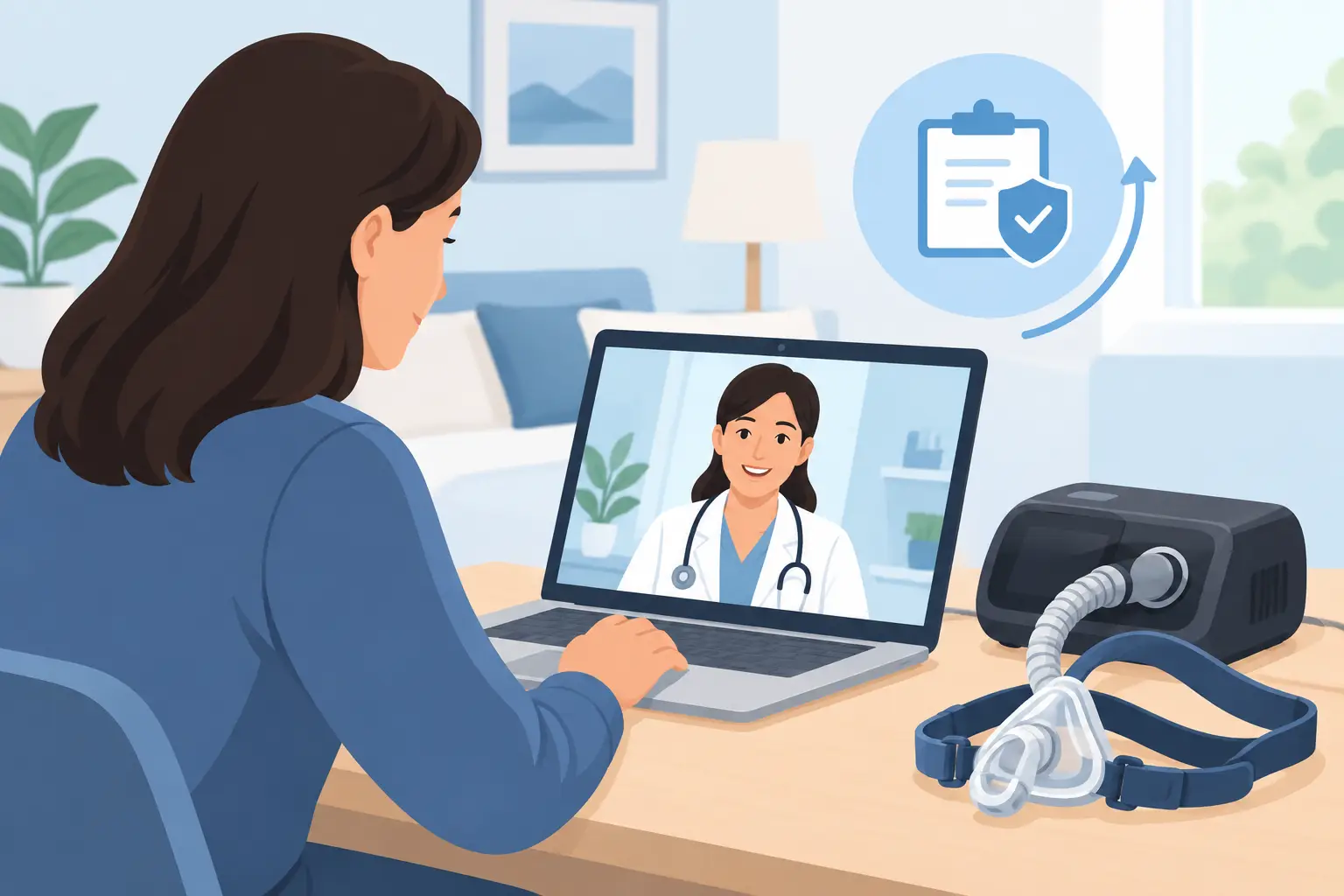
Your CPAP machine may still be working perfectly, but an expired prescription can stop you from purchasing a replacement device or certain therapy components when you need them. A CPAP prescription renewal is a practical way to keep your treatment on track without letting paperwork interrupt the rest you depend on.
For many people with sleep apnea, renewing a prescription can be handled through a virtual clinical visit. That can mean less time away from work, no unnecessary trip to an office, and a clearer path to the equipment and supplies that support a more rejuvenating night’s sleep.
When Do You Need a CPAP Prescription Renewal?
A CPAP prescription is not necessarily permanent. Its expiration date depends on the clinician who issued it, your insurance requirements, and applicable state rules. Some prescriptions remain valid for several years, while others need to be renewed sooner. If you are not sure whether yours is active, check the date on your prescription or contact the supplier or clinician that has it on file.
You may need a renewal when you are purchasing a new CPAP, APAP, BiPAP, or travel device; changing to a different therapy setup; switching equipment providers; or submitting documentation to insurance. A current prescription can also make the process easier if your existing machine has failed, been lost, or is no longer meeting your needs.
Replacement supplies are a little different. Requirements can vary by item and seller, but a valid prescription is generally required for CPAP machines and may be requested for prescription therapy components. Having current documentation available helps prevent delays when it is time to replace a mask, cushion, tubing, humidifier chamber, or other compatible part.
How an Online CPAP Prescription Renewal Works
Online renewal is designed for people who already have a sleep apnea diagnosis and need an updated prescription to continue therapy. It is not a shortcut around clinical care. A licensed clinician reviews your health information and determines whether a renewal is medically appropriate.
The process commonly begins with a secure online intake form. You may be asked about your original diagnosis, current machine and pressure settings, how often you use therapy, and any changes in your sleep or overall health. Be honest about concerns such as persistent snoring, waking up short of breath, mask leaks, dry mouth, daytime sleepiness, or difficulty tolerating pressure. Those details help the clinician evaluate whether your current treatment still fits your needs.
After the intake, you will complete a virtual consultation when required. The clinician may review a prior sleep study, an existing prescription, or therapy data from your device. If the available information supports continued treatment, they can issue an updated prescription based on their clinical judgment and the rules that apply in your location.
Pulmonary & Sleep Medicine Consultants offers an online prescription renewal service for $99.99, helping eligible patients move from clinical review to shopping for appropriate CPAP equipment in one connected experience.
A renewal is not automatic, and that is a good thing. If symptoms have changed significantly, if you have not used therapy for a long time, or if your original sleep study is unavailable, the clinician may recommend further evaluation. In some cases, a new home sleep apnea test or a more complete assessment may be the safest next step.
What to Have Ready Before Your Visit
A little preparation can make an online appointment more efficient. Gather your previous prescription if you have it, along with your sleep study report or diagnosis information. If you use a CPAP regularly, write down your machine model, current pressure settings, and the type of mask you wear.
It is also helpful to prepare the following:
- A photo ID and current contact information
- Your insurance details if you plan to seek coverage verification
- A list of medications and relevant health changes
- Notes on therapy problems, including leaks, discomfort, dryness, or ongoing fatigue
You do not need to solve every equipment issue before the visit. Still, knowing what has and has not worked can help guide a more comfortable therapy plan.
When Renewal May Be Enough, and When You May Need More Care
If you have a confirmed sleep apnea diagnosis, use your machine consistently, and simply need updated documentation, a prescription renewal may be all you need. This is often the case for long-term users replacing an aging machine, ordering a travel CPAP, or moving to a new equipment provider.
It depends, however, on your current health and treatment results. A clinician may want additional information if you have gained or lost a substantial amount of weight, had heart or lung changes, started using oxygen, developed new daytime sleepiness, or stopped tolerating your device. The same applies if your partner notices continued loud snoring or breathing pauses despite regular CPAP use.
Do not assume that more pressure is always the answer. Comfort issues can come from an aging mask cushion, the wrong mask style, mouth leaks, blocked filters, dry air, or settings that need clinical review. Many modern devices offer automatic pressure adjustment and heated humidification, but the right solution should match your prescribed therapy and personal comfort needs.
Choosing Equipment After Your Prescription Is Updated
Once you have a valid prescription, selecting equipment should feel straightforward, not overwhelming. Your prescription may specify a CPAP, auto-adjusting CPAP, bilevel machine, pressure settings, and related therapy needs. Follow those instructions when choosing a device.
For established users, replacing a machine is also a chance to consider features that improve day-to-day use. Auto-adjusting pressure can respond to changing needs throughout the night for patients prescribed APAP therapy. Heated humidification may ease dryness and make therapy more comfortable. A compact travel CPAP can help frequent travelers continue treatment away from home, although it may have different humidification, battery, and noise considerations than a bedside machine.
Mask comfort deserves just as much attention as the machine itself. Full-face masks can be useful for people who breathe through their mouth at night or experience nasal congestion. Nasal masks and nasal pillows can feel less bulky for others. There is no universally best option. The best mask is the one that creates a reliable seal, fits your prescribed therapy, and is comfortable enough to wear consistently.
Keep replacement timing in mind as well. Cushions, seals, headgear, tubing, filters, and humidifier chambers wear out gradually. A part may look acceptable while still contributing to leaks, noise, irritation, or reduced comfort. Replacing worn supplies on a reasonable schedule can protect the quality of your therapy and help you breathe better, sleep deeper.
Insurance, Pricing, and Privacy Questions
Insurance coverage for a CPAP machine or supplies varies by plan. Your insurer may require a current prescription, proof of diagnosis, compliance information, prior authorization, or use of a particular equipment provider. Coverage verification can clarify what your plan may pay before you place an order, but it is not a promise of payment. Deductibles, copays, replacement schedules, and network rules all matter.
If you are paying out of pocket, compare the full cost of the device, required accessories, shipping, and any ongoing replacement supplies. Price matching and transparent product pricing can be useful, particularly when you need a machine quickly or your insurance path is more complicated than expected.
Your health information should also be handled with care. When using virtual sleep services, use a secure provider, provide only the information needed for care, and ask how records and prescriptions are delivered. Privacy is part of feeling confident about managing sleep apnea from home.
Keep Therapy Moving Forward
An expired prescription does not have to become a gap in treatment. Start the renewal process before you need a new machine, before a planned trip, or before your supplies become an urgent problem. With the right clinical review and equipment support, you can stay focused on what matters most: more comfortable nights and more energized days.