
 Featured Machines
 Travel CPAPs
 Most Popular Masks
 Tubes and Hoses
 Humidifier Chambers
 Machine Filters
 Power Cords
 Headgear
 Nasal Pillows
 Cushions and Seals

Is the ResMed AirSense AutoSet Machine Right?

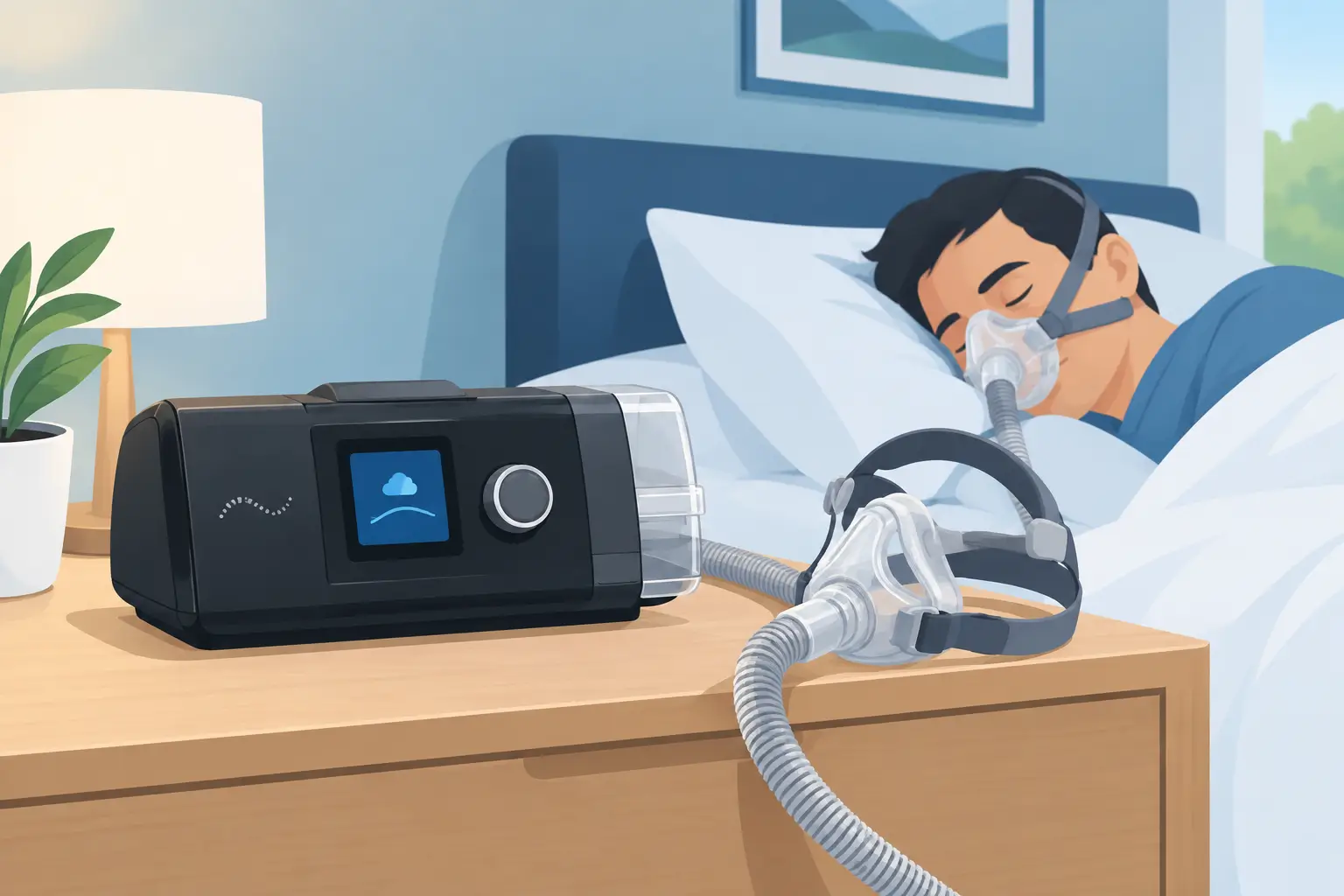
Waking up tired after a full night in bed can make every part of the day harder. The ResMed AirSense AutoSet machine is designed for people with obstructive sleep apnea who need CPAP therapy that can respond to changing breathing needs throughout the night, without making treatment feel more complicated than it needs to be.
For many new and experienced CPAP users, the appeal is straightforward: a compact bedside device that delivers prescribed therapy, adjusts pressure within clinician-set limits, and includes comfort features that can make consistent use more achievable. Better treatment adherence can mean fewer breathing interruptions, more restorative sleep, and a clearer, more energized morning.
What the ResMed AirSense AutoSet Machine Does
An AutoSet machine is an automatic positive airway pressure device, often called APAP. Rather than delivering one fixed pressure all night, it monitors your breathing and adjusts pressure within a range prescribed by your clinician. When the device detects signs that your airway may be narrowing, it can increase support. When less pressure is needed, it can reduce pressure within that prescribed range.
That responsiveness can be useful because sleep apnea is rarely identical from one hour to the next. Your pressure needs may change when you roll onto your back, enter a different sleep stage, experience nasal congestion, or have a more restless night. Automatic adjustment is not a substitute for a proper diagnosis or individualized prescription, but it can provide flexible therapy for many adults with obstructive sleep apnea.
The machine records therapy information that can help you and your care team understand how treatment is going. Usage time, mask leak, and respiratory-event data may be reviewed as part of ongoing care. Connectivity features and available data-sharing options can vary by model and setup, so it is wise to ask what is included before purchasing.
Comfort Features That Support Regular CPAP Use
The best CPAP device is the one you can use comfortably and consistently. AirSense AutoSet devices are built around practical features that reduce common barriers to therapy, including dry air, pressure discomfort, and complicated bedtime routines.
Humidification for a more comfortable night
Heated humidification adds moisture to the airflow. For people who wake with a dry nose, dry mouth, sore throat, or nasal irritation, this can make a meaningful difference. Humidity settings are adjustable, allowing you to find a level that feels comfortable in your home and climate.
A heated tube may also be available depending on the specific device package and compatible accessories. This can help maintain warmth and moisture through the tubing, which may reduce condensation, sometimes called rainout. If you use a standard tube, you can still benefit from humidification, though your ideal settings may be different.
A gentler start to therapy
Starting at full therapeutic pressure can feel uncomfortable for some users, especially during the first weeks. Ramp settings begin therapy at a lower pressure and gradually increase it. Certain AutoSet configurations also offer an automatic ramp feature that is designed to keep pressure lower while you are awake and respond as you fall asleep.
This does not mean the device should feel difficult or forceful. If exhaling feels uncomfortable, you are waking repeatedly, or you feel like you are not getting enough air, contact your clinical provider. A mask adjustment, humidity change, pressure-setting review, or a different therapy approach may help.
Quiet operation and a simpler routine
A quieter bedside environment can matter when you are adapting to CPAP or sharing a room. The device is designed for low-noise operation, but the mask seal often has a greater effect on what you hear than the machine itself. A small leak can create noise, dry eyes, and less effective therapy.
Before bed, fill the humidifier chamber with distilled water when recommended, connect the tubing, fit your mask, and start therapy. Keeping supplies clean and replacing worn components on schedule helps maintain comfort and performance. A stretched headgear strap or aging cushion can turn a well-designed machine into a frustrating experience.
Who May Benefit From Auto-Adjusting CPAP?
The ResMed AirSense AutoSet machine may be a strong option for adults with a current prescription for auto-adjusting CPAP therapy. It is often considered by newly diagnosed patients who want an approachable home setup, as well as established CPAP users replacing an older device.
It can also appeal to people whose pressure needs vary during the night. Frequent travelers may appreciate the convenience of an integrated humidifier and familiar therapy routine, although a standard home CPAP is not always the most practical choice for every trip. If packing size, battery use, or off-grid operation is your priority, a dedicated travel CPAP may be worth comparing.
Auto-adjusting therapy is not right for every respiratory condition. Some patients need a fixed-pressure CPAP, bilevel therapy, supplemental oxygen, or more specialized ventilation. Your diagnosis, prescription, medical history, and comfort with treatment should guide the decision. Never change prescribed pressure settings on your own.
Choosing the Right Mask and Supplies
A high-quality machine and a poorly fitting mask are a difficult combination. Mask choice is personal, and there is no single style that works best for everyone. Nasal masks cover the nose and can suit people who breathe through their nose at night. Nasal pillows are lighter and less bulky for some sleepers. Full-face masks cover the nose and mouth and may be helpful for regular mouth breathers or people with persistent congestion.
Your sleeping position, facial features, facial hair, and preferred level of facial coverage all matter. A mask that feels comfortable while sitting up should also maintain its seal when you turn onto your side. If you are struggling, do not assume CPAP is not for you. Trying a different cushion size or mask style is often the practical next step.
Plan for ongoing replacement supplies as part of treatment. Filters, cushions, pillows, tubing, humidifier chambers, and headgear wear out over time. Replacing them when needed supports cleaner airflow, a more reliable seal, and the comfort that makes therapy easier to continue.
Prescription and Insurance Questions to Address First
CPAP and APAP devices require a valid prescription. If your prescription has expired or you no longer have a copy, online prescription renewal may be available following an appropriate clinical review. If you suspect sleep apnea but have not been diagnosed, a home sleep apnea test and virtual consultation can be a convenient way to begin the process from home when clinically appropriate.
Insurance coverage depends on your plan, deductible, network requirements, and documentation rules. Some plans require compliance data or use a rental period before ownership. Others may cover part of the device and replacement supplies. Insurance verification can clarify what your plan may cover before you commit to an order.
It is also reasonable to compare total costs, not just the machine price. Ask whether the package includes the humidifier chamber, tubing, power supply, filters, mask, setup support, and warranty information. Price matching and support with insurance questions can make the path to treatment feel more manageable.
Getting Started With Confidence
Once your prescribed machine arrives, take time to set it up correctly before the first night. Place it on a stable surface lower than your head if possible, check that the water chamber is properly seated, and route tubing so it is not pulling on the mask. Use the device during a calm evening while reading or watching television for a short period if you need time to adjust to the sensation.
Early consistency matters more than a perfect first night. Wear your CPAP every time you sleep, including naps when possible, and bring questions to your clinical team promptly. A few small changes to fit, moisture, temperature, or bedtime routine can make the difference between abandoning therapy and settling into a rejuvenating night’s sleep.
With the right prescription, a properly fitted mask, and dependable support, the ResMed AirSense AutoSet machine can become a practical part of caring for your sleep health – helping you breathe better and face each day feeling more rested.