
 Featured Machines
 Travel CPAPs
 Most Popular Masks
 Tubes and Hoses
 Humidifier Chambers
 Machine Filters
 Power Cords
 Headgear
 Nasal Pillows
 Cushions and Seals

Can You Get CPAP Without Prescription in the U.S.?

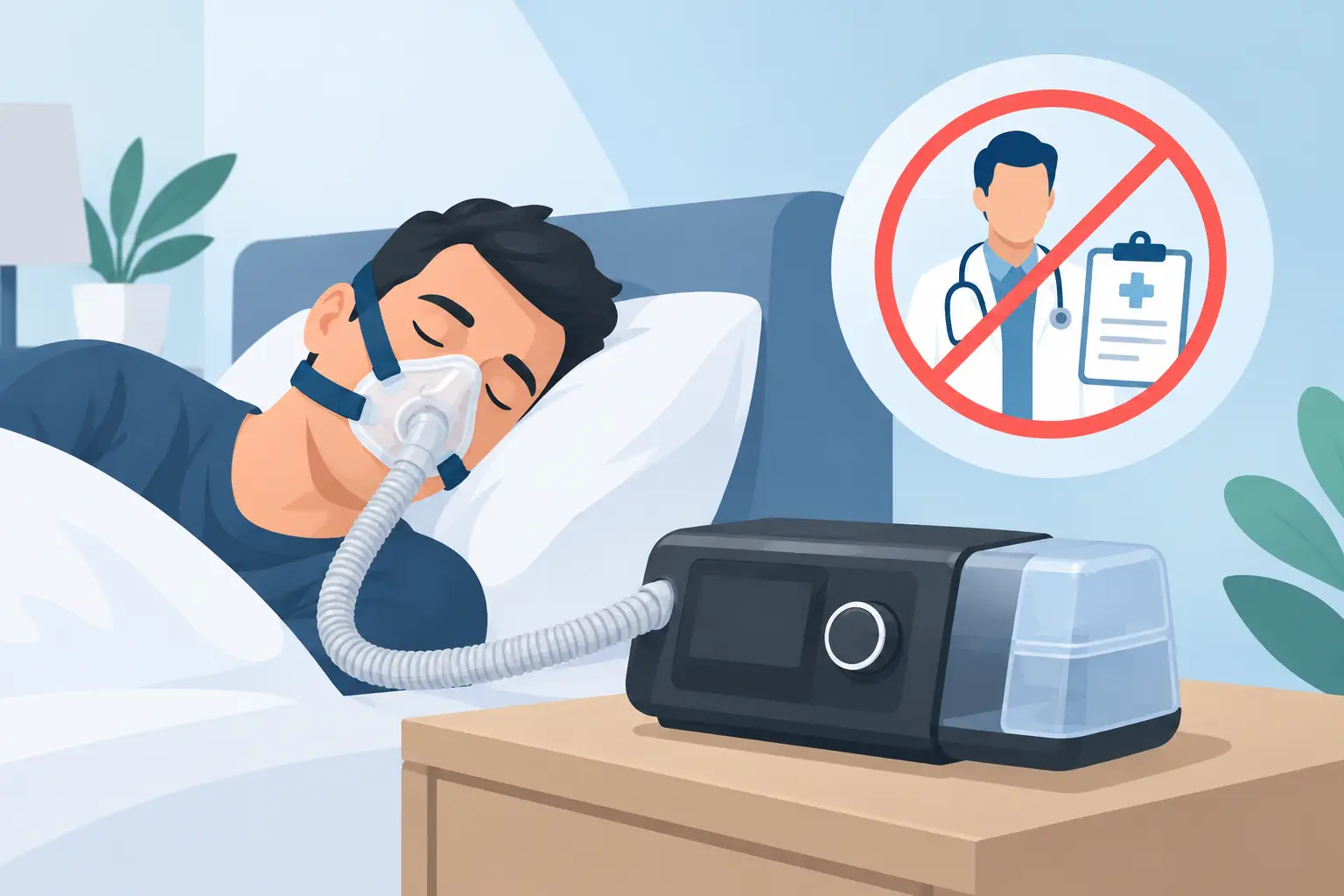
Waking up gasping, fighting afternoon exhaustion, or hearing that your snoring has become alarming can make fast relief feel urgent. It is understandable to search for CPAP without prescription, especially when an old prescription has expired or an in-person appointment feels out of reach. But in the United States, a CPAP machine is a prescription medical device. The safest, legal path is to get the right clinical support first, then choose therapy equipment built for a more comfortable, rejuvenating night’s sleep.
Why CPAP Machines Require a Prescription
CPAP stands for continuous positive airway pressure. The machine delivers pressurized air through a mask to help keep the upper airway open during sleep. For people with obstructive sleep apnea, that support can reduce breathing interruptions and improve sleep quality, daytime energy, and overall well-being.
The pressure settings matter. Too little pressure may not effectively treat airway collapse, while settings that are not appropriate for your needs can cause discomfort, leaks, aerophagia (swallowing air), or leave another sleep-related breathing condition unaddressed. That is why the FDA classifies CPAP and auto-adjusting CPAP devices as prescription-only equipment.
A legitimate U.S. seller should ask for a valid prescription before dispensing a CPAP, APAP, BiPAP, or bilevel machine. If a website offers a brand-new therapy machine with no prescription, no clinical review, and no questions asked, that convenience can come with real concerns about compliance, device condition, warranty coverage, and whether the therapy is right for you.
The Better Alternative to CPAP Without Prescription
You do not necessarily need to start with a traditional office visit. For many adults, a home-based care pathway offers a practical way to move from concerns about sleep apnea to treatment.
A home sleep apnea test may be appropriate when a qualified clinician suspects uncomplicated obstructive sleep apnea. You complete the test in the privacy of your own home, usually over one night, and return it for professional interpretation. If the results support a diagnosis, a licensed provider can discuss treatment options and write a prescription when clinically appropriate.
For established CPAP users, an online consultation may also help when a prescription has expired, you have changed insurance, or you need documentation to purchase a replacement machine. A renewal is not automatic. The clinician should review your history, current therapy, symptoms, and any relevant medical changes before deciding whether a new prescription is appropriate.
Pulmonary & Sleep Medicine Consultants helps connect these steps through home testing, virtual clinical support, prescription renewal services, insurance verification, and access to therapy equipment. The goal is not to add obstacles. It is to help you get medically appropriate care without unnecessary delays or repeated in-office appointments.
What You Can Buy Without a CPAP Prescription
The prescription requirement generally applies to the machine itself, not every item used with it. If you already have a compatible CPAP device and a current therapy plan, you can typically purchase replacement accessories without submitting a prescription.
These commonly include masks, mask cushions, nasal pillows, headgear, tubing, humidifier chambers, filters, power cords, and cleaning accessories. Replacing worn supplies can make a meaningful difference in comfort. A stretched headgear strap, a flattened cushion, or a clogged filter can contribute to air leaks, skin irritation, noise, and therapy that feels harder than it should.
Compatibility still matters. A full-face mask, nasal mask, or nasal pillow mask may fit your preferences, but it must connect correctly to your machine and work with your breathing habits. If you breathe through your mouth, experience frequent congestion, sleep on your side, or feel claustrophobic in a traditional mask, it is worth taking time to choose thoughtfully rather than buying the first option available.
Can You Use Someone Else’s CPAP Machine?
Sharing a CPAP machine is not a safe substitute for your own evaluation and prescription. Even if someone else has similar symptoms, their pressure needs, mask fit, health history, and diagnosis may be different. Sleep apnea also exists on a spectrum, and some people have central sleep apnea, sleep-related hypoventilation, or other conditions that require a different clinical approach.
Used equipment may also have sanitation, maintenance, recall, and remaining-life concerns. If you are considering a secondhand machine because of cost, ask a qualified provider and a reputable equipment source about the device’s age, run hours, condition, and whether it can be safely configured for your prescribed therapy. A lower upfront price is not always a better value if the equipment is unreliable or does not support effective treatment.
What to Expect From a CPAP Prescription
A CPAP prescription usually identifies the type of device and the therapeutic pressure setting or pressure range. It may also include the recommended mask type, humidification, heated tubing, and other supplies. If an auto-adjusting CPAP is prescribed, the clinician may provide a minimum and maximum pressure range that allows the machine to adjust within defined limits during the night.
This is where modern therapy can feel more approachable. Devices such as auto-adjusting CPAP machines can respond to changes in your breathing needs throughout sleep. Features like integrated heated humidification can help reduce dryness, while quiet operation, easy-to-read displays, and travel-friendly options make it easier to continue therapy consistently.
The best machine is not simply the most expensive one. It is the one that fits your prescription, lifestyle, comfort needs, and budget. A frequent traveler may prioritize a compact travel CPAP and dependable power options. Someone managing dry mouth may value heated humidification and a well-fitted full-face mask. A new user may benefit most from clear setup guidance and responsive support during the first few weeks.
How Insurance May Affect Your Next Steps
Insurance rules can make CPAP purchasing feel more complicated than it needs to be. Coverage often depends on your diagnosis, sleep-study documentation, prescription, deductible, and plan-specific durable medical equipment requirements. Some plans also request proof that you are using the device regularly before continuing coverage for rental or supplies.
Before purchasing, verify what your plan covers and whether prior authorization is needed. If you are paying out of pocket, compare the full cost of the machine, required accessories, replacement supplies, and available price-matching options. Keep a copy of your prescription and sleep-study results for your records. Those documents can make future replacements, travel, insurance questions, and provider transitions easier to manage.
When to Seek Medical Help Promptly
Sleep apnea deserves attention, but not every nighttime breathing concern should wait for a routine online pathway. Seek prompt medical evaluation for severe shortness of breath, chest pain, fainting, new confusion, blue or gray lips, or symptoms that feel sudden or severe. If you have significant heart or lung disease, use opioid medication, have a neuromuscular condition, or have been told you may have central sleep apnea, ask your clinician which testing and treatment approach is most appropriate.
If you already use CPAP and still wake exhausted, remove your mask during sleep, notice major weight changes, or develop new symptoms, do not simply change your settings on your own. Mask adjustments and replacement supplies may solve a comfort problem, but persistent symptoms deserve a clinical review.
A prescription requirement is not meant to keep restorative sleep out of reach. It is a safeguard that helps match treatment to your breathing, your health, and your comfort. With home testing, virtual consultations, prescription support, and properly selected equipment, getting started or getting back on therapy can be far more straightforward than searching for a CPAP machine without a prescription.