
 Featured Machines
 Travel CPAPs
 Most Popular Masks
 Tubes and Hoses
 Humidifier Chambers
 Machine Filters
 Power Cords
 Headgear
 Nasal Pillows
 Cushions and Seals

Sleep Study Preparation for a Better Night at Home

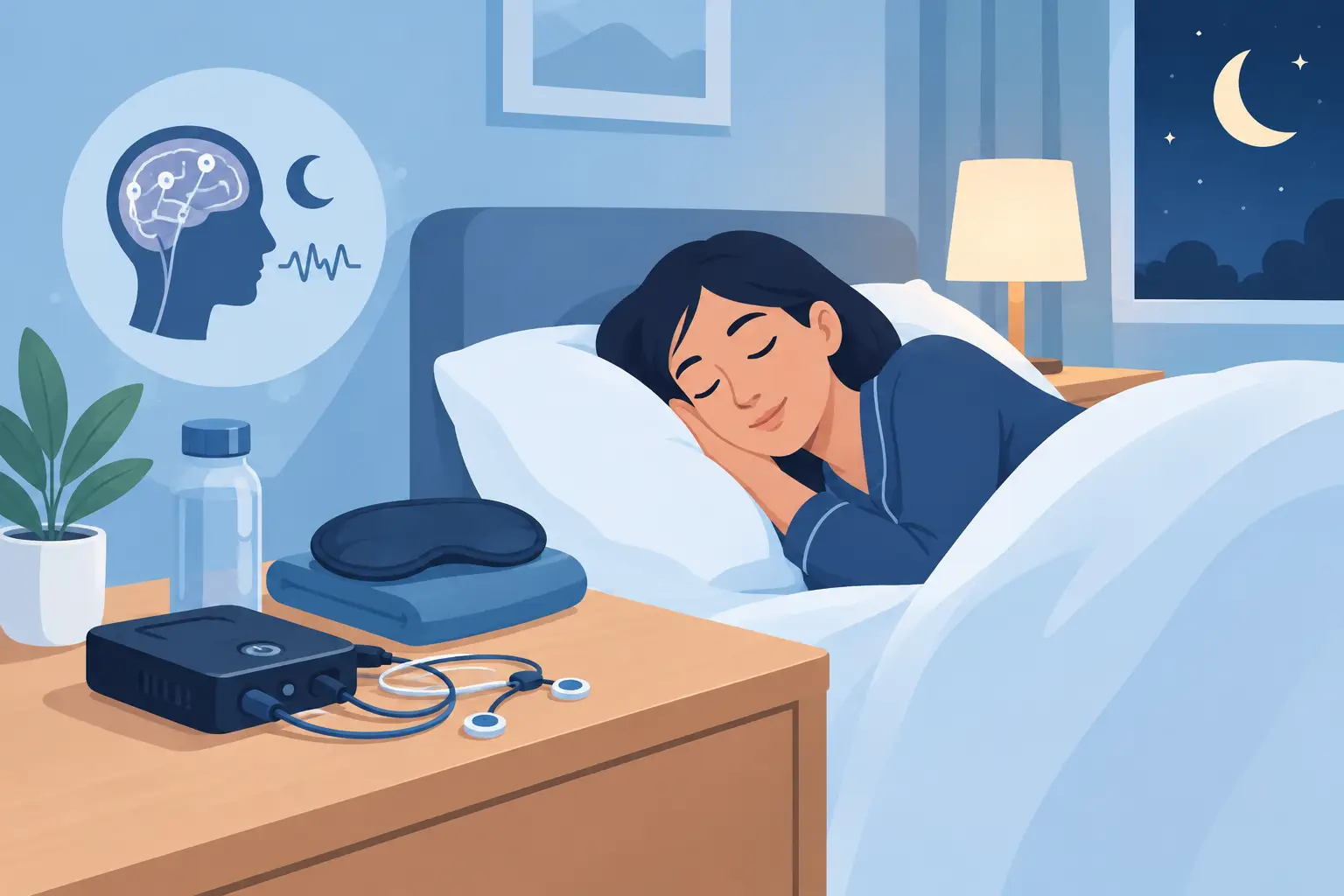
A home sleep apnea test is designed to capture what happens during your normal night of sleep, not your most carefully managed one. Good sleep study preparation is less about creating perfect conditions and more about following the instructions, keeping your usual routine, and making sure the equipment can collect clear information. That information helps your clinical team evaluate breathing patterns and determine the right next step toward deeper, more rejuvenating rest.
For many people, testing at home feels more private and comfortable than spending a night in a sleep lab. A little planning can make the process feel even easier, especially if you are already dealing with snoring, daytime fatigue, morning headaches, or concerns about interrupted breathing.
What a Home Sleep Study Measures
A home sleep apnea test typically uses a small monitor with sensors that track breathing effort, airflow, oxygen levels, and pulse while you sleep. Depending on the device, you may wear a soft belt around your chest, a fingertip sensor, and a small nasal cannula that rests just inside the nostrils.
These sensors help identify patterns that may be consistent with obstructive sleep apnea, such as repeated reductions or pauses in breathing. The test is not intended to measure every aspect of sleep health, and it may not be appropriate for everyone. If you have significant heart or lung disease, certain neurologic conditions, chronic oxygen use, or complex sleep concerns, your clinician may recommend a different type of study.
The goal is clear, usable data from a typical night. That is why a normal routine matters more than trying to sleep longer than usual or making dramatic changes right before testing.
Sleep Study Preparation in the Week Before Your Test
Start by reading the instructions as soon as your kit arrives. Do not wait until bedtime to open the package. Confirm that all pieces are present, make sure you understand how the device is charged or powered, and identify how to start and stop the recording. If anything appears damaged, missing, or confusing, contact your sleep care team before your scheduled test night.
Keep your usual sleep schedule as much as possible during the days leading up to the study. You do not need to force an early bedtime, skip normal responsibilities, or attempt to “catch up” on sleep. A major change in your schedule may produce a night that does not reflect the symptoms you normally experience.
If you take prescription medications, continue taking them exactly as prescribed unless the clinician who ordered your study tells you otherwise. Do not stop medications, including sleep medications, anxiety medications, pain medicines, or respiratory treatments, without medical guidance. Your care team needs to understand your regular health routine when interpreting your results.
It can also help to plan your test night around practical details. Choose a night when you can sleep at home for a reasonably full night and do not need to wake unusually early. If you share a bed, let your partner know that you will be wearing sensors and may need a few extra minutes to get settled.
What to Do on the Day of Your Home Test
Treat the day like a normal day, with a few sensible adjustments. Avoid naps if you can, particularly long afternoon naps that may make it harder to fall asleep at your usual time. Light activity, regular meals, and your familiar evening routine are generally fine.
Limit alcohol on the evening of the study unless your clinician has instructed you differently. Alcohol can relax the upper airway and change breathing during sleep, sometimes making snoring or obstruction worse than usual. It can also affect sleep quality and make it more difficult to position sensors correctly if you wake during the night.
Caffeine deserves a balanced approach. If you normally drink coffee or tea in the morning, there is usually no reason to skip it. However, avoid more caffeine than usual or a late-day energy drink that keeps you awake well past your normal bedtime. The test works best when you have a realistic chance to sleep.
Take a shower before applying the sensors if that is part of your evening routine, but avoid heavy lotions, oils, or petroleum-based products on the chest, face, and fingers. These products can make adhesive pads or fingertip sensors less secure. Remove nail polish or artificial nails from at least one finger if your instructions say the pulse oximeter must be placed on bare skin.
Try to give yourself 20 to 30 quiet minutes before bed for setup. Rushing through the process when you are exhausted can lead to loose connections or uncertainty about whether the device is recording.
Set Up the Equipment Before You Feel Sleepy
Lay out each component on a clean, flat surface and follow the instruction guide in order. Attach the chest belt snugly enough that it stays in place but not so tightly that it feels restrictive. Place the airflow sensor as directed, and check that the nasal tubing is not twisted or pulled sharply to one side.
For the fingertip sensor, choose a warm, clean finger. Cold hands can sometimes affect oxygen readings. If your hands are chilly, warm them gently first rather than placing the sensor over a glove or covering it with tape unless your instructions specifically say to do so.
Once the device is on, look for the indicator light, display message, or other signal that confirms recording has begun. Many devices have a simple start button, while others begin automatically at a scheduled time. Follow your kit instructions rather than relying on a general rule.
You do not need to sleep in one position all night. Side sleeping, back sleeping, and normal movement are all part of a real night of rest. Simply make sure the tubing has enough slack for you to turn comfortably without pulling a sensor loose. If you wake and notice something has shifted, reattach it as best you can and return to sleep.
What Not to Stress About
Many people worry that they will not fall asleep because the equipment feels unfamiliar. A test does not require eight uninterrupted hours of sleep to be useful. While a longer recording period can provide more information, clinicians can often interpret a study even when you wake briefly or take time to settle down.
Do not try to manipulate the test by sleeping on your back if you usually sleep on your side, staying awake to watch the device, or changing your normal medication routine. You are not being graded on how well you sleep. You are providing your care team with information that can guide appropriate treatment.
If a sensor comes off for part of the night, do not assume the entire study has failed. Reapply it if possible and continue. The data can be reviewed after the device is returned, and your clinician will let you know if another night of testing is needed.
If You Use CPAP or Have an Existing Diagnosis
If you already use CPAP, BiPAP, or another prescribed sleep therapy device, ask your clinician whether you should use it during the study. The answer depends on why the test was ordered. A diagnostic study may require a period without therapy, while a follow-up study may be intended to assess therapy use or ongoing symptoms. Never make that decision on your own.
If your prescription has expired and you need updated documentation for continued therapy, be direct about your current equipment, mask comfort, pressure concerns, and any symptoms that have returned. Pulmonary & Sleep Medicine Consultants can help connect home testing, virtual clinical support, prescription renewal needs, insurance questions, and access to compatible therapy equipment in one more straightforward path.
After Your Test Night
In the morning, stop the recording according to the instructions and remove the sensors carefully. Place the equipment back in its case or packaging, and return it by the method provided. Do not erase or reset the device unless you are instructed to do so.
Write down anything unusual that may help the clinician interpret the night, such as a prolonged period of wakefulness, illness, a sensor that came loose, or an exceptionally late bedtime. Then wait for your results and follow-up guidance. If the study indicates sleep apnea, your clinician can discuss treatment options that fit your needs, from prescription support to a CPAP machine and comfort-focused mask setup.
A well-prepared study night is not about perfection. It is one practical step toward answers, more comfortable breathing, and the kind of restorative sleep that makes the next day feel more manageable.