
 Featured Machines
 Travel CPAPs
 Most Popular Masks
 Tubes and Hoses
 Humidifier Chambers
 Machine Filters
 Power Cords
 Headgear
 Nasal Pillows
 Cushions and Seals

Obstructive Sleep Apnea Guide for Better Sleep

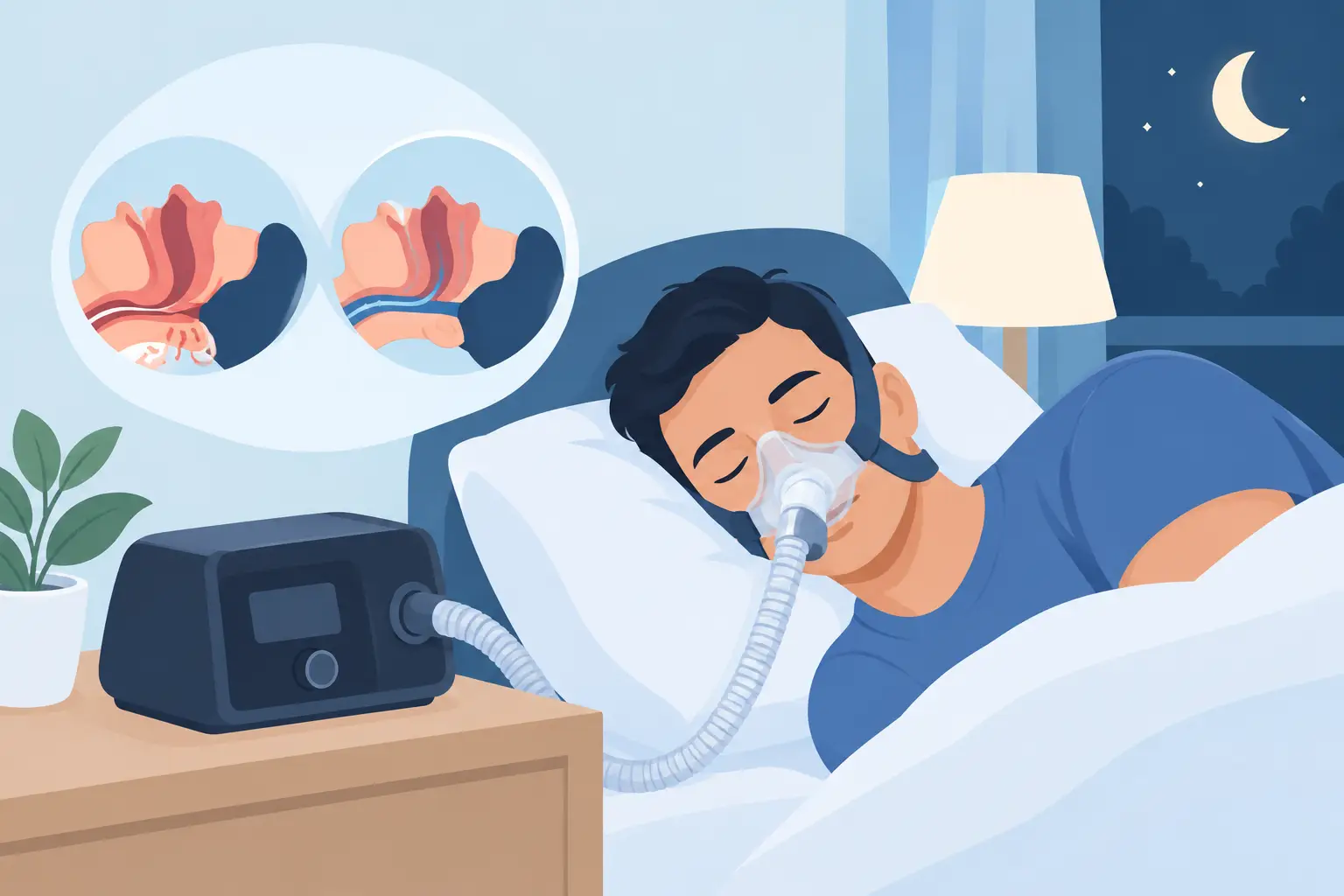
Waking up tired after a full night in bed is not something you should have to accept. If loud snoring, gasping, morning headaches, or relentless daytime fatigue have become part of your routine, this obstructive sleep apnea guide can help you understand what may be happening and what to do next. Effective care can begin privately at home, with clinical guidance and a path toward more comfortable, rejuvenating sleep.
What Obstructive Sleep Apnea Means
Obstructive sleep apnea, often called OSA, happens when the muscles in the back of the throat relax during sleep and narrow or block the airway. Your brain briefly wakes you enough to restart breathing, often without you remembering it. These interruptions can happen repeatedly through the night, disrupting the deep, restorative stages of sleep your body needs.
Snoring is common, but it is not the same thing as sleep apnea. The concern rises when snoring is paired with pauses in breathing, choking or gasping, frequent awakenings, or excessive sleepiness during the day. Untreated OSA can affect more than your energy level. It is associated with elevated blood pressure, heart disease, stroke risk, mood changes, and challenges with concentration and blood sugar management.
Sleep apnea can affect people of many body types and ages. Weight, anatomy, nasal congestion, alcohol use near bedtime, family history, and certain health conditions can all play a role. That is why symptoms and appropriate testing matter more than assumptions.
Signs That Deserve a Sleep Evaluation
Many people learn about possible sleep apnea from a partner who hears the snoring or notices pauses in breathing. Others recognize the effects in their own day: falling asleep during quiet activities, struggling to focus at work, or needing far more caffeine than usual just to feel alert.
Consider discussing sleep apnea testing with a qualified clinician if you experience several of these signs:
- Loud, frequent snoring, especially with witnessed breathing pauses
- Gasping, choking, or shortness of breath during sleep
- Waking with a dry mouth, sore throat, or headache
- Daytime sleepiness, irritability, memory trouble, or reduced concentration
- High blood pressure or atrial fibrillation alongside poor sleep
A sleep evaluation is particularly worthwhile if you feel drowsy while driving. Do not try to push through that kind of fatigue. Until you have been evaluated and treated, avoid driving or operating equipment when you feel sleepy.
Why Symptoms Can Be Easy to Miss
Sleep apnea does not always look dramatic. Some people wake often to use the bathroom, toss and turn, or assume their tiredness is simply stress, aging, or a busy schedule. Women may be more likely to report insomnia, fatigue, headaches, or mood changes rather than classic loud snoring. A careful conversation about your sleep and health history helps determine whether testing makes sense.
How Sleep Apnea Is Diagnosed From Home
For many adults with suspected uncomplicated obstructive sleep apnea, a home sleep apnea test can be a convenient starting point. You sleep in your own bed while a compact device records breathing patterns, oxygen levels, and other relevant data. A clinician reviews the results and explains what they mean for your care.
Home testing is designed for convenience, but it is not right for every situation. If you have significant heart or lung disease, certain neurologic conditions, suspected central sleep apnea, severe insomnia, or a home test that does not clearly answer the question, an in-lab sleep study may be recommended instead. This is not a setback. It is the right way to get a more complete picture when your clinical needs call for it.
Before testing, be honest about your symptoms, medications, and medical history. Follow the provided instructions carefully, and try to keep your usual sleep routine. One unusual night does not necessarily invalidate a test, but the data needs to be collected correctly for a clinician to interpret it confidently.
Obstructive Sleep Apnea Guide to Treatment Options
Treatment is not one-size-fits-all. The best option depends on the severity of OSA, your anatomy, other health conditions, and what you can use consistently. The goal is straightforward: keep your airway open so you can breathe steadily and sleep more deeply.
CPAP and Auto-Adjusting PAP Therapy
Continuous positive airway pressure, or CPAP, is a leading treatment for obstructive sleep apnea. A CPAP machine sends gentle pressurized air through tubing and a mask to prevent airway collapse. Modern therapy devices are quieter and more user-friendly than many people expect.
Auto-adjusting PAP devices can adjust pressure within a prescribed range based on your breathing needs throughout the night. Features such as heated humidification, ramp settings, and comfort-focused mask options can make the experience easier to adapt to. For people who need different pressure support while breathing in and out, a clinician may prescribe bilevel therapy, sometimes called BiPAP.
The device and mask both matter. A full-face mask may work well if you breathe through your mouth or deal with frequent nasal congestion. Nasal masks and nasal pillows can feel lighter for people who primarily breathe through their nose. There is no prize for choosing the smallest mask or the highest-tech option. The right choice is the one that fits well, delivers prescribed therapy, and supports consistent use.
Other Treatments and Supportive Changes
Some patients may be candidates for an oral appliance fitted by a qualified dental provider, positional therapy, surgery, or other specialized options. These approaches can be useful in the right circumstances, but they should be evaluated with a sleep clinician rather than selected based on convenience alone.
Lifestyle changes can support treatment, too. Avoiding alcohol and sedatives close to bedtime may reduce airway relaxation. Side sleeping can help some people, and managing nasal allergies may improve comfort with PAP therapy. Weight management can reduce OSA severity for some patients, but it is not an overnight solution and should not delay an appropriate evaluation or treatment plan.
Getting Comfortable With CPAP
The first week of CPAP use is an adjustment period, not a pass-or-fail test. A mask that leaks, a dry nose, or the unfamiliar feeling of airflow can often be solved with simple changes. Small adjustments are usually more effective than giving up on therapy altogether.
Start by wearing your mask for a few minutes while awake and relaxed. This helps your body get used to the sensation without the pressure of falling asleep. Use the machine every time you sleep, including naps, and clean the mask cushion regularly so facial oils do not interfere with its seal.
If dryness is an issue, ask about humidifier settings and heated tubing. If air escapes around your eyes, check the cushion size and avoid overtightening the headgear, which can actually worsen leaks. Persistent discomfort, pressure intolerance, or continued sleepiness deserves follow-up with your care team. Your settings should never be changed outside of clinical guidance.
Prescriptions, Supplies, and Insurance
PAP machines require a valid prescription. If your prescription has expired but you are already using therapy, an online prescription renewal consultation may be an efficient option when clinically appropriate. If you are newly diagnosed, your test results and consultation can help establish the prescription and treatment plan you need.
Insurance coverage varies by plan, including which equipment is covered, whether prior authorization applies, and how often replacement supplies are eligible. Verifying benefits before you order can prevent surprises. It is also helpful to ask about your deductible, copay, and whether your plan rents or purchases the machine.
Replacement supplies are part of effective therapy, not an optional extra. Cushions, pillows, filters, tubing, headgear, and humidifier chambers wear down over time. Replacing them according to manufacturer guidance and your insurance schedule can help maintain a secure seal, cleaner airflow, and reliable comfort.
A Practical Next Step Toward Restful Sleep
You do not need to solve sleep apnea alone or wait for another exhausting night to seek answers. A virtual consultation and home sleep apnea test can make it easier to begin, while ongoing clinical support can help you find therapy equipment crafted with your comfort in mind. Pulmonary & Sleep Medicine Consultants can help connect testing, prescription support, insurance verification, and treatment options in one straightforward care experience.
Better sleep often starts with one practical decision: take persistent snoring, breathing pauses, and daytime fatigue seriously. With a clear diagnosis and a therapy plan you can actually use, breathing better and sleeping deeper can become part of your everyday life.