
 Featured Machines
 Travel CPAPs
 Most Popular Masks
 Tubes and Hoses
 Humidifier Chambers
 Machine Filters
 Power Cords
 Headgear
 Nasal Pillows
 Cushions and Seals

How an Auto Adjusting CPAP Supports Better Sleep

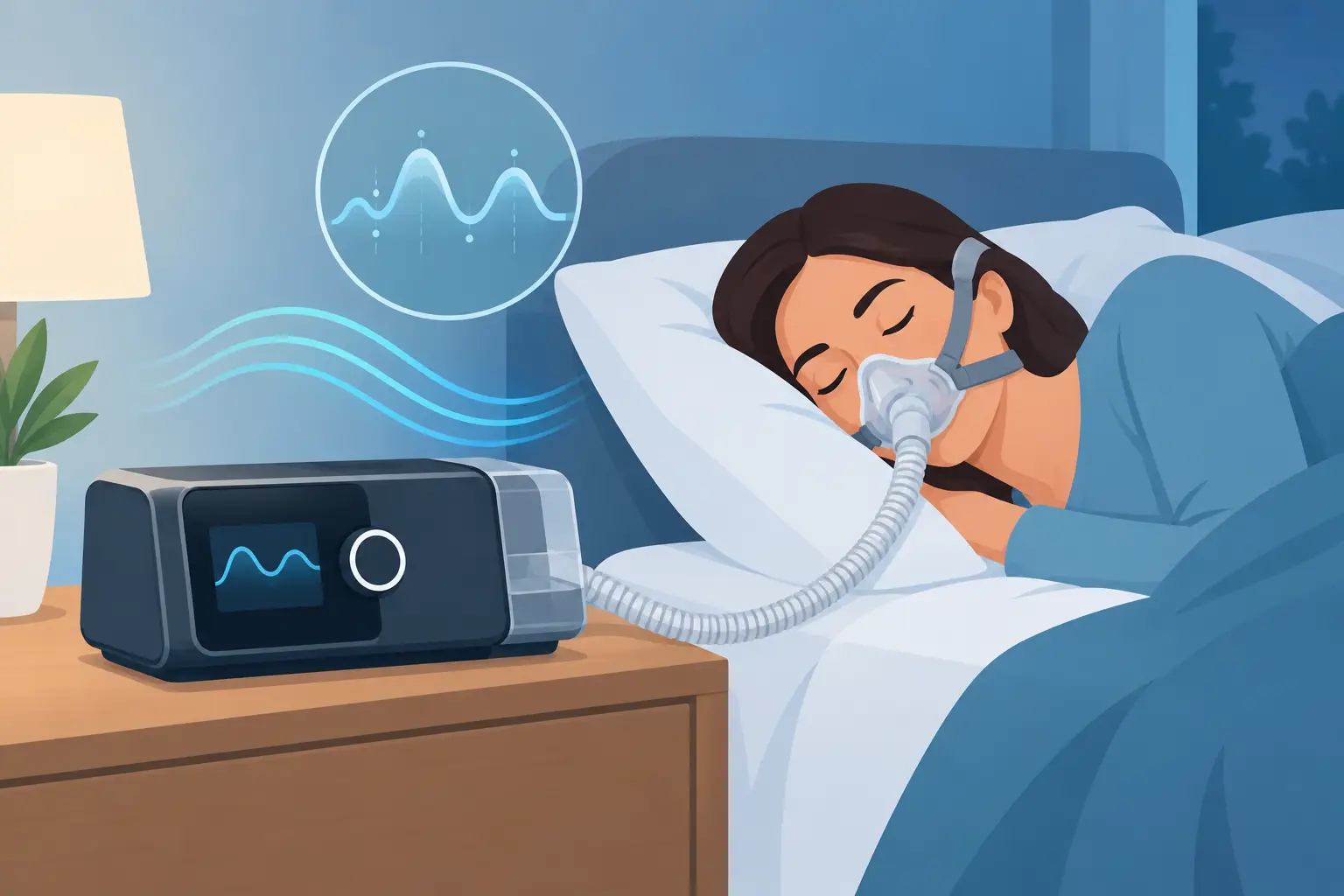
A CPAP setting that feels comfortable when you first fall asleep may not be the setting you need at 3 a.m. Sleep position, nasal congestion, REM sleep, alcohol use, and natural changes in airway muscle tone can all affect how much pressure is needed to keep the airway open. An auto adjusting CPAP is designed for those real-life changes, helping many people receive the pressure they need without staying at one fixed level all night.
For people beginning treatment, replacing an older machine, or returning to therapy after a break, that flexibility can make sleep apnea care feel more approachable. The right device is still a medical decision that should be guided by a qualified clinician and a valid prescription. But understanding how automatic pressure adjustment works can help you shop with more confidence and focus on what matters most: breathing better and sleeping deeper.
What Is an Auto Adjusting CPAP?
An auto adjusting CPAP, often called APAP or auto CPAP, is a positive airway pressure machine that automatically varies pressure within a range prescribed by your clinician. Instead of delivering one continuous fixed pressure, it monitors breathing patterns and responds when it detects signs that the airway may be narrowing or obstructed.
The machine does not simply increase pressure at random. Its built-in algorithm evaluates airflow from breath to breath. When it identifies events or patterns associated with obstructive sleep apnea, such as flow limitation, snoring, or apnea, it can raise pressure within the prescribed minimum and maximum settings. When the airway appears stable, it may lower pressure again.
That distinction matters. Auto adjustment is not a substitute for diagnosis or professional oversight. It is a tool that uses the treatment range your provider has selected to better match therapy to your needs throughout the night.
Why Pressure Needs Can Change Overnight
Obstructive sleep apnea is not always identical from one minute to the next. Many people need more pressure while sleeping on their back, because gravity can make the airway more likely to collapse. Others experience more events during REM sleep, a stage that tends to occur more often later in the night.
Temporary factors can matter, too. Seasonal allergies, a cold, weight changes, certain medications, or an evening drink may affect breathing during sleep. A fixed-pressure CPAP can be very effective, and it remains the right choice for many patients. Still, some people appreciate an automatic device because it can provide lower pressure during quieter periods and increase support only when needed.
The potential comfort benefit is one reason auto CPAP machines are widely prescribed. Lower average pressure can feel easier for some users, especially those who find a steady higher pressure uncomfortable while settling in for sleep. Results vary, however. Comfort also depends on mask fit, humidity, leak control, ramp settings, and taking time to adjust to therapy.
How an Auto Adjusting CPAP Responds
Modern auto CPAP devices use detailed airflow data to make small, ongoing pressure adjustments. Your prescribed range creates safe boundaries for those adjustments. For example, a clinician may set a minimum pressure that maintains baseline airway support and a maximum pressure that the device should not exceed.
When the machine senses increasing resistance in your breathing, it may gently raise pressure. When that resistance settles, it can gradually reduce pressure. The goal is not to deliver the lowest possible number at all times. The goal is to maintain effective airway support while helping therapy remain comfortable enough to use consistently.
Most premium devices also record therapy data, including usage time, mask leak information, and event trends. Depending on your setup and care team, this information may help guide follow-up conversations. It can reveal whether a mask leak is disrupting treatment, whether settings may need review, or whether you are building a consistent sleep routine.
Who May Benefit From Auto CPAP Therapy?
Auto CPAP is commonly considered for adults with obstructive sleep apnea who have been prescribed automatic positive airway pressure therapy. It can be particularly useful when pressure needs appear to vary through the night or when a clinician wants data from an auto-adjusting device to help refine ongoing treatment.
It may also be appealing to frequent travelers and busy adults who want straightforward therapy at home. A compact, familiar device with automatic adjustment can reduce one source of uncertainty when sleep schedules and environments change. Travel is not a reason to skip therapy, and a travel CPAP may be a separate option for people who need a smaller device for the road.
That said, auto CPAP is not automatically the best choice for everyone. Certain complex breathing conditions, central sleep apnea concerns, significant heart or lung conditions, or other clinical factors may call for a different type of device or closer monitoring. Some patients need bilevel therapy, which provides different pressures for inhaling and exhaling. Others do very well with standard fixed-pressure CPAP.
Your sleep study, medical history, symptoms, and prescribed treatment plan should guide the decision. If you are waking with air swallowing, persistent dryness, a racing mask leak, or continued daytime sleepiness, do not change settings on your own. Contact your clinician or sleep care provider for guidance.
Comfort Features That Make a Difference
Automatic pressure adjustment is only one part of a comfortable therapy setup. A well-designed machine can include heated humidification to add moisture to the airflow, which may help reduce dry mouth or nasal dryness. Heated tubing can help maintain moisture through the tube and reduce condensation, sometimes called rainout.
Ramp features are another practical benefit. They allow therapy to begin at a lower, more comfortable pressure and gradually move toward the prescribed range as you fall asleep. For many users, this makes the first minutes of treatment feel less noticeable.
Your mask is just as important as the machine. Nasal masks and nasal pillows may feel lighter for people who breathe comfortably through the nose. Full-face masks can be a better fit for mouth breathers, people with frequent nasal congestion, or those who need a more secure seal at higher pressures. There is no universally best mask – the best option is the one that fits properly, feels manageable, and supports consistent use.
A small leak can happen, but a loud or persistent leak deserves attention. Repositioning the mask, replacing a worn cushion, cleaning the seal, or checking headgear tension may help. Pulling straps tighter is not always the answer and can make leaks worse by distorting the cushion.
Choosing a Machine Without Overcomplicating It
When you are comparing auto CPAP options, start with the prescription. Confirm whether it specifies auto-adjusting therapy, a pressure range, humidification needs, or other settings. In the United States, CPAP machines require a valid prescription, even when you are purchasing online.
Then consider the features you are most likely to use every night. Heated humidification, easy-to-read controls, quiet operation, wireless therapy reporting, and a travel-friendly design can all improve the ownership experience. If you already use a mask you love, verify that your chosen machine is compatible with its tubing and accessories.
Budget and insurance matter, too. Coverage rules differ by plan, and documentation requirements can vary. Before purchasing, it can be helpful to verify benefits, ask what equipment is eligible, and understand whether you may need to meet compliance requirements. If your prescription has expired, an online prescription renewal or virtual sleep consultation may offer a more convenient path than delaying needed therapy.
At Pulmonary & Sleep Medicine Consultants, the goal is to make that path clearer, from home sleep testing and clinical guidance to prescription support and therapy equipment. You should never have to guess whether a device, mask, or replacement part fits your treatment plan.
Getting Started With Better CPAP Habits
The first week with an auto CPAP is often an adjustment period, not a final verdict on therapy. Use the machine while relaxing before bed if you need time to get used to the airflow. Put the mask on every time you sleep, including naps, and give yourself a reasonable adjustment window.
Keep the equipment clean according to the manufacturer instructions, and replace consumable supplies on schedule. Cushions, filters, tubing, and humidifier chambers wear down over time. Fresh supplies can protect comfort, support a reliable seal, and help your machine perform as intended.
If therapy feels difficult, treat that as useful information rather than failure. A better mask fit, humidity adjustment, clinician review, or simple coaching can change the experience. With the right support and equipment crafted with your comfort in mind, each night is another opportunity for more restful, rejuvenating sleep.