
 Featured Machines
 Travel CPAPs
 Most Popular Masks
 Tubes and Hoses
 Humidifier Chambers
 Machine Filters
 Power Cords
 Headgear
 Nasal Pillows
 Cushions and Seals

CPAP Therapy Beginner Guide for Your First Week

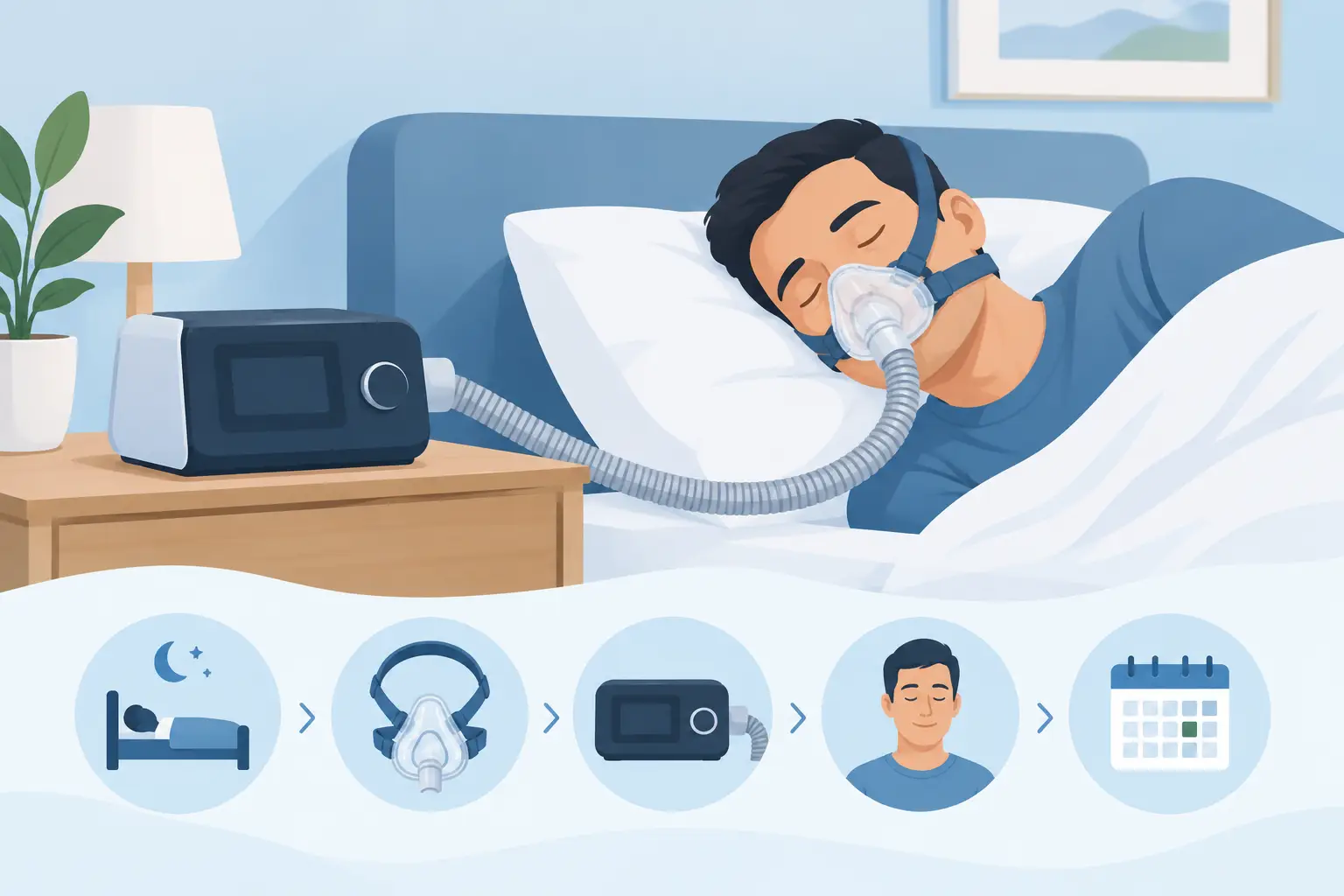
The first night with CPAP can feel unfamiliar, even when you are eager for relief from snoring, interrupted breathing, and daytime exhaustion. This CPAP therapy beginner guide focuses on the details that make treatment easier to live with: getting a comfortable fit, building a realistic routine, and knowing when a small adjustment can make a meaningful difference.
CPAP therapy delivers a gentle stream of prescribed air that helps keep your airway open while you sleep. For many people with obstructive sleep apnea, consistent treatment supports more restorative sleep, clearer mornings, and better daily energy. The goal is not to force yourself through an uncomfortable experience. It is to find a setup that helps you breathe better and sleep deeper.
Start With the Right CPAP Setup
Your machine, mask, tubing, and humidifier work as one system. Before bedtime, place the device on a stable, flat surface lower than your head if possible. This can help prevent any condensation in the tubing from running toward your mask. Keep the air intake clear of curtains, bedding, dust, and anything that could block airflow.
Connect the tubing firmly to the machine and mask, fill the humidifier chamber with distilled water if your device uses one, and confirm that the chamber is seated correctly. Distilled water helps limit mineral buildup. Do not add essential oils, fragrance, or medication to the water chamber unless your prescribing clinician has specifically instructed you to do so.
Most modern CPAP and Auto CPAP machines have simple controls and comfort settings. Your prescribed pressure is not a setting to change on your own, but features such as ramp time, humidity level, and heated tubing temperature may be adjustable. Ramp starts therapy at a lower pressure and gradually increases it as you fall asleep. Some people appreciate it right away; others find they breathe more comfortably without it. Give each change a few nights before deciding whether it helps.
Understand Your Mask Options
The mask is often the biggest factor in early CPAP comfort. A nasal mask covers the nose, while nasal pillows rest at the nostrils with minimal facial coverage. These styles can suit people who usually breathe through their nose and prefer a lighter feel. A full-face mask covers the nose and mouth and may be a better choice if you breathe through your mouth, have frequent nasal congestion, or wake with a dry mouth.
There is no universally best mask. Your sleep position, facial features, pressure needs, and breathing habits all matter. Side sleepers may prefer a compact nasal-pillow or nasal-mask design, while some people need the stability of a full-face mask. A mask that looks ideal online may not be the best fit once you wear it, which is why patience and proper sizing matter.
Fit the mask while sitting up, then check it again in your usual sleeping position with the machine running. Tightening headgear too much is a common beginner mistake. Over-tight straps can distort the cushion, create pressure marks, and actually worsen leaks. The cushion should rest gently against your skin and form a seal with the airflow turned on.
Your First Week of CPAP Therapy
Aim to use your CPAP every time you sleep, including naps. Regular use helps your body adapt, and it gives your sleep clinician a clearer picture of whether the therapy is effectively controlling breathing events. If a full night feels difficult at first, start by wearing the mask for 20 to 30 minutes while reading, watching television, or relaxing before bed. This low-pressure practice can make the sensation far less foreign when it is time to sleep.
It is normal to notice the airflow when you first begin. You may also wake briefly during the night because the mask feels different from sleeping without it. Rather than removing it immediately, take a moment to reset the seal, slow your breathing, and use the ramp feature if it is part of your prescribed setup. Small, calm adjustments are more useful than abandoning therapy after one challenging night.
Some benefits can appear quickly, especially if apnea was significantly disrupting your sleep. For others, energy and alertness improve gradually over several weeks. CPAP treats airway obstruction while you wear it, but it does not erase sleep debt overnight. Give your treatment the consistent opportunity it needs to support a rejuvenating night’s sleep.
Common Early Problems and Practical Fixes
A small amount of mask noise may be normal, but repeated hissing usually signals a leak. Reposition the cushion, inspect the tubing connections, and make sure the mask is the correct size. Clean facial oils from the cushion and avoid applying heavy moisturizer directly beneath the mask before bed, since oils can interfere with the seal.
Dry mouth can happen when air escapes through the mouth or when humidity is too low. If you use a nasal mask and regularly wake with a dry mouth, discuss whether a chin strap, a full-face mask, or another approach is appropriate for you. Nasal dryness or congestion may improve by raising humidification gradually. However, too much humidity can cause water droplets in the tubing, sometimes called rainout. Lower the humidity slightly, increase heated-tube temperature if available, or use a tubing cover.
Feeling bloated, belching, or uncomfortable from swallowed air can occur, particularly during the adjustment period. Sleeping with your head slightly elevated may help some people, but persistent discomfort deserves a call to your sleep clinician. Pressure-related symptoms, ongoing central apneas, or significant air swallowing should be evaluated rather than managed through self-adjustment.
If you feel claustrophobic, start with daytime practice and focus on slow breaths through the mask. A smaller mask style may feel more open, but it depends on whether that design supports your breathing needs. You should never feel that you have to choose between tolerating distress and giving up on therapy. Support and equipment changes are part of successful treatment.
Keep Equipment Clean Without Overcomplicating It
A clean CPAP system supports comfort and reliable airflow. Empty any remaining humidifier water each morning and allow the chamber to air-dry. Wash your mask cushion regularly with warm water and mild soap, then rinse thoroughly. Follow the cleaning instructions for your specific machine and mask, especially for headgear, tubing, reusable filters, and water chambers.
Avoid harsh cleaners, bleach, alcohol-based products, and scented soaps unless the manufacturer specifically approves them. These can damage materials or leave irritating residue. Also be cautious about ozone and ultraviolet cleaning devices. Many equipment manufacturers advise against them because they may degrade CPAP components and can affect warranty coverage.
Replacement schedules vary by product, insurance plan, and wear patterns, but supplies do not last forever. A stretched headgear strap, stiff cushion, discolored chamber, cracked tubing, or visibly dirty filter can affect comfort and performance. Replacing worn components on time is often easier than spending weeks trying to fix persistent leaks.
Stay Connected to Your Clinical Care
CPAP equipment requires a valid prescription, and your prescribed settings should be reviewed by a qualified clinician. Many devices record therapy data such as usage time, leak levels, and residual breathing events. This information can help your care team identify whether your mask fits well and whether your treatment is working as intended.
Contact your sleep clinician if you continue to remove the mask in your sleep, have headaches or severe dryness that do not improve, notice skin breakdown, or still feel profoundly sleepy despite regular use. Seek prompt medical guidance for chest pain, severe shortness of breath, or symptoms that feel urgent. CPAP is highly effective for many people, but it works best when the therapy plan is tailored to you.
If your prescription has expired or you need help understanding insurance coverage for a machine or replacement supplies, address that early instead of interrupting therapy. Remote consultation, home sleep testing, prescription support, and equipment guidance can reduce the barriers that often delay treatment.
Give Comfort Time to Become Routine
The most successful CPAP users are rarely the people who had a perfect first night. They are the people who noticed what felt off, made one thoughtful change at a time, and kept going. Put your machine in place before you are overly tired, make your bedtime routine simple, and allow comfort to build through repetition. Each night you use therapy is another opportunity to protect your breathing and wake up closer to the rested version of yourself.